
Hypothyroidism
Find Your Care
We deliver effective, minimally invasive treatments in a caring environment. Call 310-267-7838 to connect with an expert in endocrine surgery.
Hypothyroidism (Underactive Thyroid)
What is Hypothyroidism?
Hypothyroidism, also called underactive thyroid disease, is a common condition where the thyroid gland does not produce enough thyroid hormones to meet the body's needs. Because thyroid hormones regulate metabolism, an underactive thyroid slows down essential bodily functions, commonly causing fatigue, unexpected weight gain, cold sensitivity, and muscle weakness. The thyroid gland makes two forms of thyroid hormone - thyroxine (T4) and triiodothyronine (T3).
Signs of Hypothyroidism
Symptoms of Hypothyroidism
- Extreme fatigue and lethargy: Persistent low energy and sluggishness even after adequate rest.
- Cold intolerance: Increased sensitivity to cold temperatures and difficulty staying warm.
- Unexplained weight gain: Slower metabolism leading to modest weight increase and difficulty losing weight.
- Sparse, coarse, and dry hair: Noticeable hair loss.
- Coarse, dry, and thickened skin: Brittle nails, dry skin.
- Muscle aches and joint pain: Stiffness, swelling, and muscle tenderness.
- Constipation: Slowed digestive motility.
- Mood and memory changes: "Brain fog," difficulty concentrating, and depression.
- Irregular menstrual cycles: Heavy or abnormal periods in women.
Common Causes of Hypothyroidism
- Hashimoto’s Thyroiditis (Autoimmune Disease)
The most frequent cause of hypothyroidism in the United States, where the immune system mistakenly attacks and damages thyroid tissue. - Surgical Removal of the Thyroid (Thyroidectomy)
Removing all or part of the thyroid gland to treat thyroid cancer, large nodules, or goiters stops or significantly reduces natural hormone production. - Radioactive Iodine Treatment or Radiation Therapy
Radiation treatments used for hyperthyroidism (Graves' disease) or head and neck cancers can destroy functional thyroid cells. - Postpartum
Hypothyroidism may also develop shortly after pregnancy. - Secondary hypothyroidism
It’s when your pituitary gland stops working. The pituitary gland then no longer tells the thyroid gland to make thyroid hormones.
Hypothyroidism vs. Hyperthyroidism: What is the Difference?
| Characteristic | Hypothyroidism (Underactive) | Hyperthyroidism (Overactive) |
|---|---|---|
| Hormone Levels | Low T3 and T4 levels | Excessively high T3 and T4 levels |
| TSH Blood Level | Typically elevated (High TSH) | Typically suppressed (Low TSH) |
| Body Metabolism | Slowed down | Sped up |
| Weight Changes | Unexplained weight gain | Unintentional weight loss |
| Energy & Mood | Fatigue, brain fog, depression | Nervousness, anxiety, insomnia |
| Temperature Response | Cold intolerance | Heat intolerance and heavy sweating |
| Heart Rate | Slower resting heart rate | Rapid or irregular heartbeat (palpitations) |
More Frequently Asked Questions (FAQs)
Additional Symptoms of Hypothyroidism
Symptoms are different for each person. They are usually hard to notice and start slowly. They may be mistaken for symptoms of depression.
- Dull facial expressions
- Hoarse voice
- Slow speech
- Droopy eyelids
- Puffy and swollen face
- Hand tingling or pain (carpal tunnel syndrome)
- Slow pulse
- Sides of eyebrows thin or fall out
How is Hypothyroidism Diagnosed?
At the UCLA Endocrine Center, you will meet with an endocrinologist who will ask about your past health and perform a comprehensive physical exam. Blood tests can help diagnose hypothyroidism. Laboratory tests to determine thyroid function include:
- Thyroid Stimulating Hormone (aka TSH) helps indicate whether the thyroid is working correctly
- Measurements of the two forms of thyroid hormone, T4 and T3
How is Hypothyroidism Treated?
Treatment will depend on your symptoms, age, and general health. It will also depend on how severe the condition is. The goal of treatment is to return your level of thyroid hormone back to normal. You may need to take medicine that gives you a dose of thyroid hormones. This dose may need to be changed over time. You will likely need to take this medicine for the rest of your life. You will need follow-up blood tests to make sure you are taking the correct dose of thyroid hormone replacement.
What About Pregnancy and Thyroid-related Medications?
There are special considerations for women who have had thyroid disease in the past or currently, and who might be considering pregnancy or are already pregnant. Increased monitoring and adjustment of thyroid-related medications is recommended during this period for the health of both the mother and her baby. Special planning might also be necessary for women with a condition in which thyroid surgery and/or radioactive iodine are required.
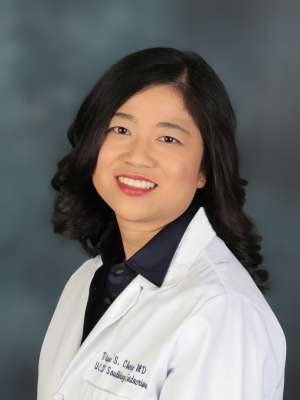
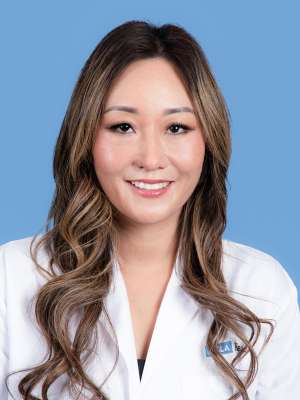
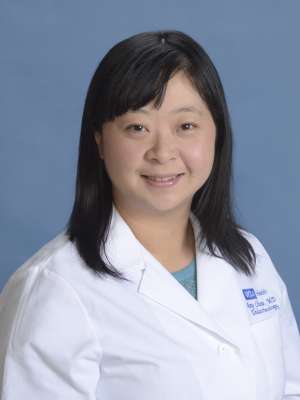
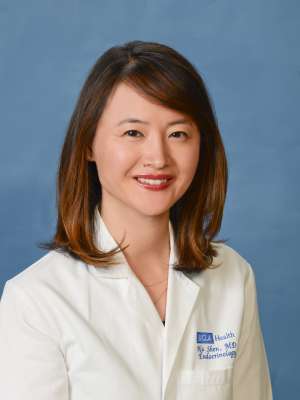
Meet Our Endocrine Specialists:
Westwood Endocrinology
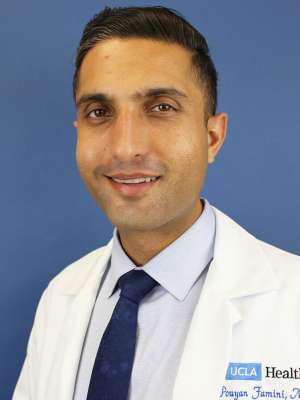
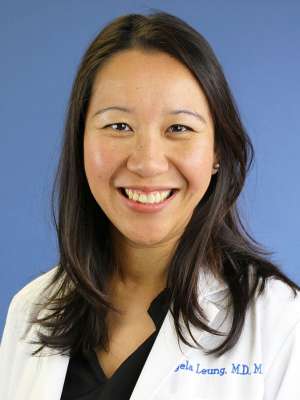

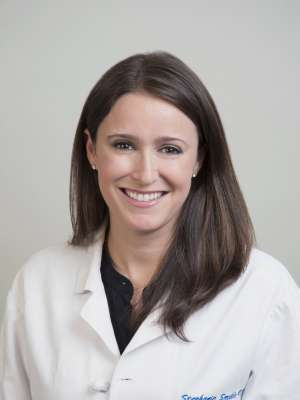
Westwood Pediatric Endocrinology
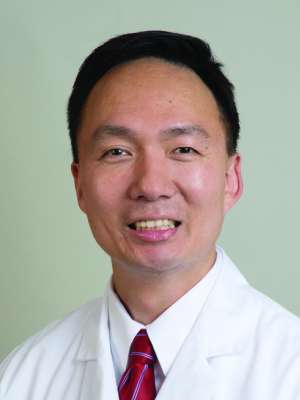
Westwood Staff

Encino Endocrinology
Torrance (South Bay Endocrinology)

Westlake Village Endocrinology


Thousand Oaks Endocrinology
Find your care
We deliver effective, minimally invasive treatments in a caring environment. Call 310-267-7838 to connect with an expert in endocrine surgery.
Medical review: Content reviewed by Dr. James Wu, MD, Endocrine Surgeon, UCLA Health. Last reviewed August 2026.