
Thyroid Surgery
Find Your Care
We deliver effective, minimally invasive treatments in a caring environment. Call 310-267-7838 to connect with an expert in endocrine surgery.
What Is Thyroid Surgery?
Thyroid surgery (thyroidectomy) is the primary surgical treatment for thyroid cancer, large benign nodules, hyperthyroidism (overactive thyroid), and nodules causing compressive symptoms such as difficulty swallowing or breathing. At the UCLA Endocrine Surgery Center, experienced surgeons perform both partial removals (isthmusectomy or lobectomy) and complete removals (total thyroidectomy) through minimally invasive incisions, typically completed in under two hours.
Quick Facts: Thyroid Surgery at UCLA Health
| Key Aspect | Details |
|---|---|
| Procedure Duration | Partial Lobectomy: ~1.5 hours Total Thyroidectomy: ~2 hours |
| Anesthesia | General anesthesia |
| Incision Size | 1–2 inches, placed within a natural lower neck crease for minimal visibility |
| Hospital Stay | Outpatient / Same-day discharge for most patients (overnight observation available for select cases) |
| Initial Recovery | 5–6 days to resume light routines; return to work/normal activities in 1–2 weeks |
| Thyroid Hormone Need | Total Thyroidectomy: 100% (lifelong daily levothyroxine) Lobectomy: ~25% require supplementation (~75% do not) |
| Surgical Priorities | Preservation of parathyroid glands (calcium control) and intraoperative nerve monitoring of recurrent laryngeal nerves (vocal cords) |
Surgical Approaches: Lobectomy vs. Total Thyroidectomy
Thyroid surgery at UCLA Health is performed through a small 1–2 inch incision placed within a natural skin crease above the collarbones under general anesthesia. The choice of procedure depends on tumor size, cancer type, lymph node involvement, and overall health:
- Thyroid Lobectomy (Partial Removal): Removes only the affected lobe (half) of the gland. A lobectomy typically takes 1.5 hours and preserves natural hormone production, allowing approximately 75% of patients to avoid lifelong thyroid hormone medication.
- Total Thyroidectomy (Complete Removal): Removes the entire thyroid gland. This procedure takes approximately 2 hours, enables comprehensive cancer treatment, allows for postoperative radioactive iodine therapy if indicated, and simplifies long-term cancer surveillance through thyroglobulin blood monitoring.
Protecting the Parathyroid Glands and Vocal Cord Nerves
The two most critical priorities during thyroid surgery are preserving the parathyroid glands and protecting the recurrent laryngeal nerves:
- Parathyroid Gland Preservation: The four parathyroid glands regulate blood calcium levels. Surgeons carefully identify and preserve these delicate structures to prevent postoperative hypocalcemia (low calcium).
- Recurrent Laryngeal Nerve Protection: These nerves control vocal cord movement. UCLA Health surgeons utilize continuous intraoperative nerve monitoring and meticulous microsurgical technique to minimize the risk of hoarseness or voice changes.
Non-Surgical Alternatives: Active Surveillance & Radiofrequency Ablation (RFA)
Not all thyroid conditions require immediate surgical removal. UCLA Health offers advanced, non-surgical management options for appropriately selected candidates:
- Active Surveillance: For patients with small, low-risk papillary thyroid microcarcinomas (typically under 1.5 cm), active surveillance with regular high-resolution ultrasound monitoring is a safe, proven alternative that allows patients to safely delay or avoid surgery.
- Radiofrequency Ablation (RFA): A minimally invasive, non-surgical treatment that uses targeted thermal energy to shrink benign nodules and select small cancers without an incision.
Preparing for Surgery
Preoperative Fasting Guidelines
Following strict eating and drinking guidelines before surgery ensures your safety under general anesthesia:
- Solid Foods: Stop eating solid foods and milk products 8 hours prior to your scheduled arrival time.
- Clear Liquids: You may drink water and clear liquids (fluids you can clearly see through, such as apple juice or black coffee without cream) up until 2 hours before your scheduled arrival time. We encourage staying hydrated up to this cutoff.
When to Arrive for Surgery
Our perioperative nursing team will contact you the business day before your procedure with your specific arrival time. Patients are typically asked to arrive 2 to 3 hours prior to the scheduled operation time. This window provides ample time to check in, change into surgical attire, and meet with your anesthesiologist and surgical team to answer any final questions.
The Day of Surgery (Step-by-Step)
Step 1: Check-in & Preoperative Preparation
Upon check-in, you are escorted to a private preoperative room. Your operating room nurses, anesthesiologists, and endocrine surgeons will review the surgical plan, review any last-minute questions, and administer relaxing medication if needed before heading to the operating suite.

Step 2: Anesthesia & Patient Positioning
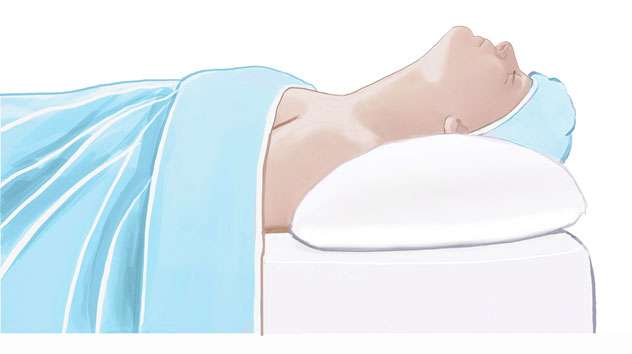
Under general anesthesia, you will be completely asleep and comfortable. Pressure points are carefully padded, and a soft gel roll is placed beneath the shoulders to gently elevate and extend the neck, providing optimal access to the surgical field.
Step 3: Preoperative Neck Ultrasound
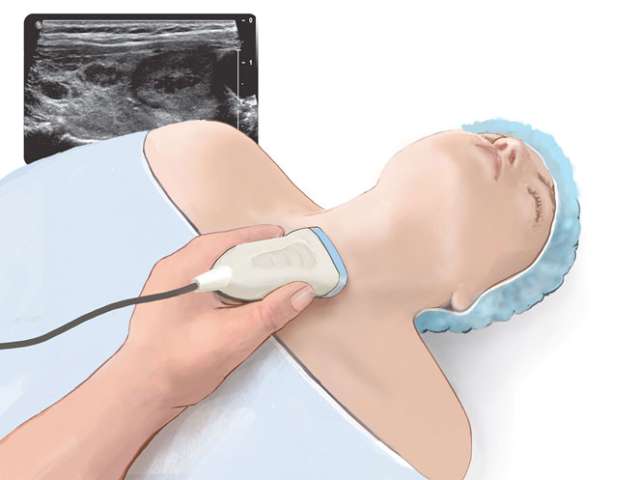
Our skilled surgeons at the Center for Endocrine Surgery Los Angeles always conduct a neck ultrasound in the operating room prior to surgery. This crucial step allows us to carefully map out the intricate anatomy of the neck before proceeding with the operation.
Step 4: Minimally Invasive Incision
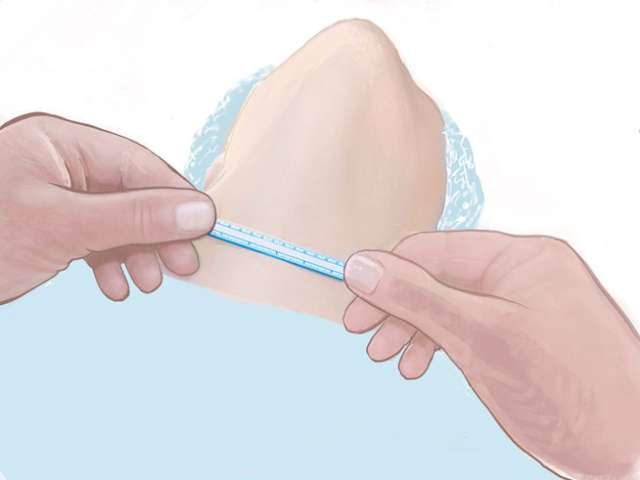
The surgeon carefully selects the ideal location to make an incision on the front of the neck. The size and location of the incision depend on the type of thyroidectomy and the surgeon's preference. Our goal is to keep the incision as small as possible.
Step 5: Gland Exposure & Strap Muscle Management
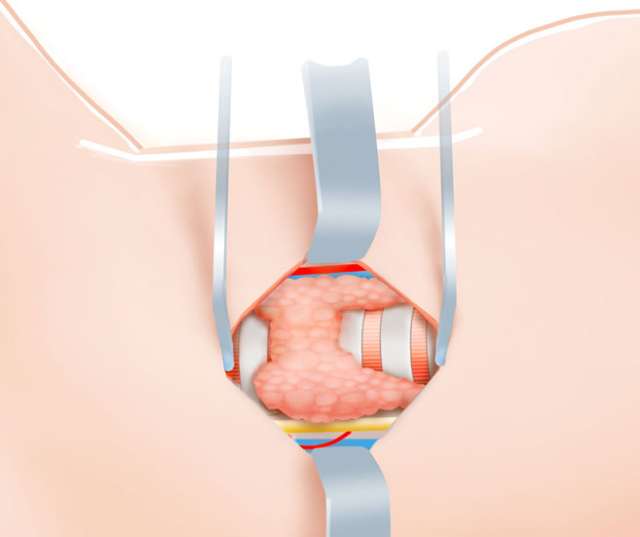
The surgeon carefully dissects and exposes the thyroid gland. The goal is to identify and protect adjacent structures such as the parathyroid glands and the recurrent laryngeal nerve. The strap muscles of the neck are moved aside to access the thyroid gland. In some cases, these muscles may need to be split and reattached.
Step 6: Superior Pole Dissection
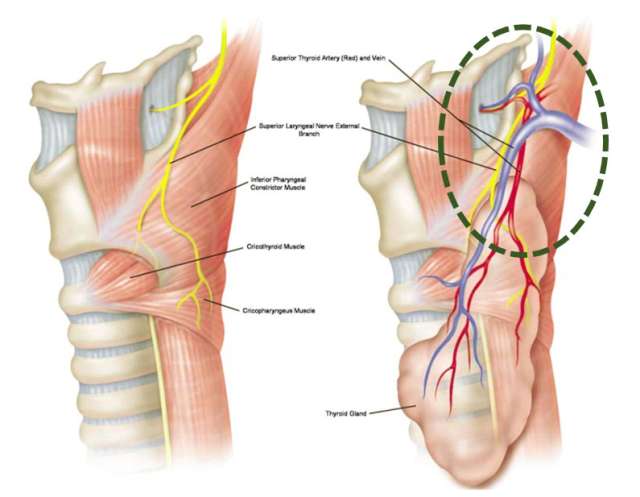
Upper Portion of the Thyroid: The upper portion of the thyroid contains important structures such as the upper parathyroid gland, a branch of the superior laryngeal nerve, and blood vessels supplying the thyroid. Care must be taken to preserve the parathyroid gland and the nerve while dividing the blood vessels.
Step 7: Inferior Pole
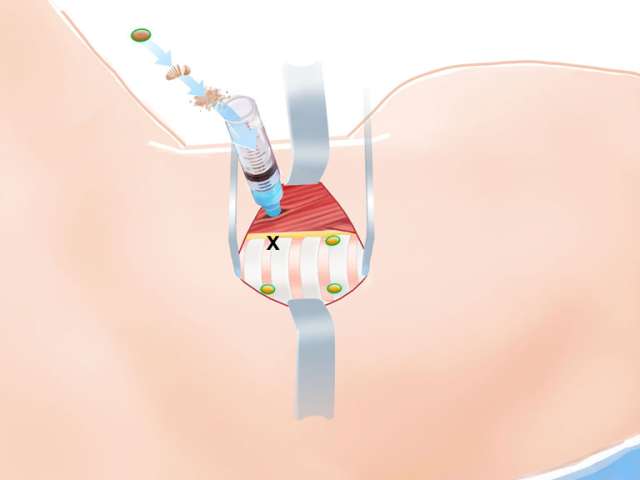
Lower Portion of the Thyroid: The lower portion of the thyroid contains the parathyroid gland and the recurrent laryngeal nerve. Normal parathyroid glands are small and delicate, roughly the size of a grain of rice. Special care is taken during surgery to avoid damage to these glands. The parathyroid gland is carefully separated from the thyroid, and if needed, it may be transplanted into the sternocleidomastoid muscle for blood supply.
Step 8: Recurrent Laryngeal Nerve Protection
Identifying and careful dissection of the recurrent laryngeal nerve is the most crucial portion of thyroid surgery. The recurrent laryngeal nerve controls the motion of the vocal cord.
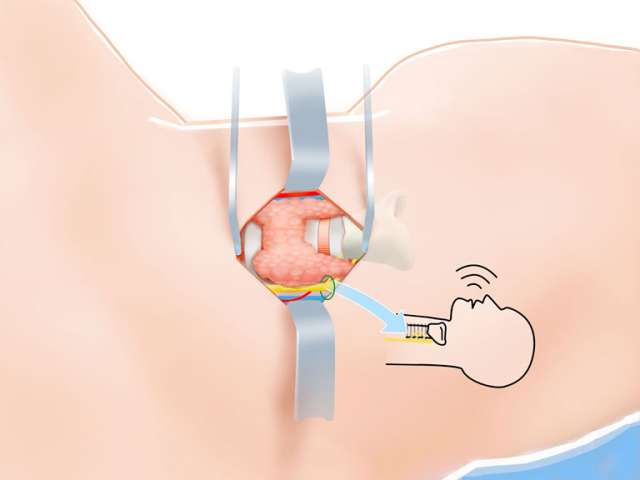
Before separating the thyroid gland from the trachea, we confirm that we can follow the entire course of the nerve into the larynx.
Step 9: Thyroid Removal
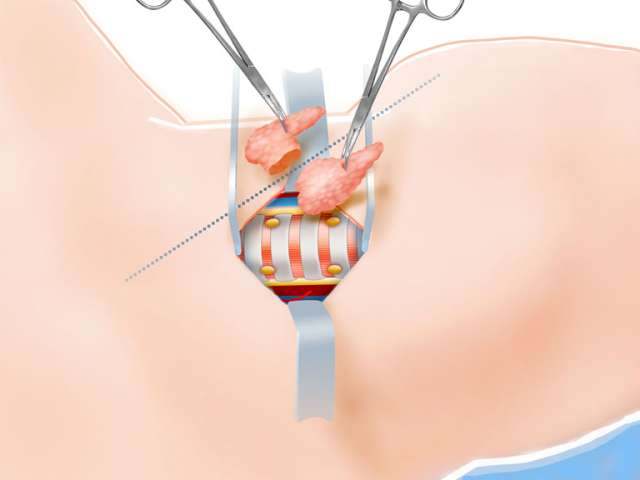
Depending on the reason for the surgery, the surgeon may perform a total thyroidectomy (removing the entire gland) or a partial thyroidectomy (removing only a portion).
Step 10: Closure
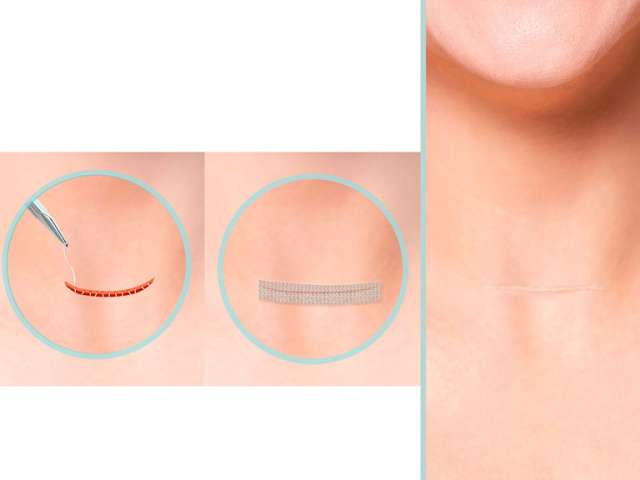
The incision is closed with sutures that are dissolvable and placed underneath the skin. At our practice, we use steristrips, along with medical tape and skin glue, to safeguard incisions and promote optimal healing post-surgery.
Recovery & Long-Term Care
Immediate Recovery & Hospital Discharge
Most patients go home the same day of thyroid surgery and resume light daily routines within 5 to 6 days. An overnight stay is available for patients who live alone, have complex medical histories, or travel from outside the area.
- Pain Management: Postoperative discomfort is typically mild and effectively managed with over-the-counter pain relievers or short-term prescribed medications.
- Activity Restrictions: Avoid heavy lifting (over 10–15 lbs) and vigorous physical exertion for the first 1 to 2 weeks.
- Incision & Scar Care: Keep the dressing dry as directed. The dissolvable sutures disappear naturally, and steri-strips typically fall off within 7–10 days. Once healed, scar creams or silicone sheets can be applied to optimize cosmetic results.
- Follow-Up Appointment: A clinic visit is scheduled within 2 to 4 weeks to evaluate incision healing, assess vocal cord function, and review final pathology reports.
Thyroid Hormone Replacement Therapy
Whether you require daily thyroid medication depends on the extent of your surgery:
- Total Thyroidectomy: Because the entire gland is removed, patients must take a daily synthetic thyroid hormone pill (levothyroxine) for life to maintain healthy metabolic function.
- Thyroid Lobectomy: Approximately 75% of patients who undergo a partial removal maintain sufficient natural hormone production from the remaining lobe and do not need medication. About 25% may require low-dose supplementation.
- Hormone Monitoring: Your endocrinologist will check thyroid-stimulating hormone (TSH) levels through routine blood draws 6 to 8 weeks after surgery to fine-tune your exact dosage.
Postoperative Cancer Surveillance & Monitoring
For patients treated for thyroid cancer, structured lifelong surveillance ensures high cure rates and early detection of any recurrence:
- Thyroglobulin (Tg) Blood Testing: Following a total thyroidectomy, thyroglobulin (a protein made only by thyroid cells) serves as an accurate tumor marker. Blood levels are checked 4 to 6 weeks post-surgery and every 6 to 12 months thereafter. (Patients with a partial lobectomy do not use Tg testing, as the remaining normal lobe naturally produces this protein.)
- Surveillance Neck Ultrasound: High-resolution ultrasound exams of the neck and lymph nodes are performed annually to monitor for structural changes.
Radioactive Iodine (RAI) Therapy
Radioactive iodine is an adjuvant treatment recommended for select thyroid cancer patients with intermediate-to-high risk of recurrence to ablate any remaining microscopic thyroid tissue or cancer cells.
- Timing & Eligibility: RAI is performed only after a total thyroidectomy, as radioactive iodine specifically targets thyroid tissue.
- Preparation: Patients follow a specialized low-iodine diet for 10 to 14 days before therapy to maximize treatment uptake.
- Collaborative Decision: The recommendation for RAI is made jointly by your endocrine surgeon and endocrinologist based on tumor size, aggressive histology features, and lymph node involvement.
Thyroid stimulating hormone suppression
Following surgery, patients may be treated with thyroid hormone to provide physiologic hormone replacement and to sufficiently suppress pituitary gland secretion of thyroid stimulating hormone (TSH), which is a growth-promoting factor for many types of thyroid cancer. All patients treated with total thyroidectomy (complete thyroid removal) require thyroid hormone therapy with levothyroxine; approximately 25% of patients treated with lobectomy (partial thyroid removal) require thyroid hormone therapy. Thyroid hormone replacement is usually provided as a daily oral pill called levothyroxine. Your endocrinologist will monitor blood tests, including a TSH level, to determine the optimal dose for managing your thyroid hormone balance and the recurrence risk of your thyroid cancer (see Dynamic Risk Stratification below). In general, patients with more aggressive disease and higher risk of recurrence are initially managed with levothyroxine to suppress the TSH level (<0.1mIU/L), while patients with lower risk of recurrence and/or other health factors that would increase their risk from side effects are managed with a TSH in the lower half of the normal reference range (2-0.5mIU/L). Levothyroxine thyroid hormone therapy and TSH suppression in thyroid cancer patients are individualized and change over time based upon the risk of disease recurrence.
Will I feel different taking thyroid hormone pills?
Fortunately, a well-tolerated and safe form of thyroid hormone therapy is available, called levothyroxine (also known as Levoxyl or Synthroid; Tirosint is a gluten free formulation). This is the recommended medication to treat hypothyroidism following thyroid surgery and to suppress TSH in patients with a history of thyroid cancer. Most patients achieve a normal thyroid balance and feel well within 6-8 weeks of starting therapy or sooner when followed by an endocrinologist. Your doctor will monitor thyroid function tests over time to ensure that your dose is optimal for both your thyroid balance and controlling your thyroid cancer. More information about thyroid hormone tests and thyroid hormone medication can be found here: Normal Thyroid Hormone Levels.
Radioactive iodine (RAI) ablation therapy
Patients with a high risk of disease recurrence may also be offered radiation therapy with radioactive iodine. At UCLA, we estimate that about 1 in 4 patients may need radioactive iodine as part of their thyroid cancer treatment. Radioactive iodine takes advantage of the preferential uptake of iodine by thyroid tissue to allow radiation treatment of residual and microscopic thyroid cancer with minimal side effects on other organs. Therapy is done in collaboration with a nuclear medicine physician and is given by an oral pill that the patient swallows. Patients remain isolated at home or in the hospital for several days after taking the radioactive iodine, followed by an imaging scan 5 days after therapy. To improve the efficacy of RAI therapy, patients are asked to follow a low iodine diet for 10-14 days prior to therapy and may be instructed to withdrawal from thyroid hormone medication or receive an injection of Thyrogen to sensitize any remaining thyroid tissue to RAI. Additional information about radioactive iodine therapy and a low iodine diet can be found on the American Thyroid Association patient education site. Radioactive iodine therapy is generally safe and can be highly effective for some kinds of thyroid cancer. Common side effects include dry mouth and eyes after therapy. Recent data suggests that even lower doses of radioactive iodine may be effective in reducing the risk of thyroid cancer recurrence, further reducing the risks of side effects from radioactive iodine ablation therapy. Thyroid Cancer and Thyroid Surgery Videos.
Active Surveillance
Dynamic Risk Stratification informed by ongoing surveillance with tumor markers and imaging
After initial therapy for thyroid cancer, patients continue regular disease surveillance under the care of an endocrinologist. Ongoing disease monitoring includes measurement of tumor marker thyroglobulin in the blood and thyroid/neck ultrasound imaging at regular intervals.
Thyroglobulin levels are usually evaluated 4-6 weeks after initial therapy, at 6 months, and then every 6-12 months based upon clinical response. Thyroid ultrasound surveillance typically occurs at 12 months after therapy and annually thereafter.
Your endocrinologist will follow your tumor marker thyroglobulin over time. Persistently elevated or a rising thyroglobulin tumor marker may prompt your physician to perform other evaluations to locate persistent or recurrent thyroid cancer, such as a physical exam, neck ultrasound or computed tomography (CT) imaging, or iodine uptake whole body scans.
At the UCLA Endocrine Center, we utilize a strategy of dynamic risk stratification during thyroid cancer follow-up. Dynamic risk stratification incorporates measurement of tumor markers and imaging surveillance information to continually re-evaluate in each patient the risk of clinically significant thyroid cancer recurrence or progression. This risk stratification then guides recommendations for further diagnostic evaluation, TSH suppression and additional therapy in a way that optimally balances the benefits of additional treatment with risks and side effects. For example, thyroid hormone suppression of TSH is relaxed in patients with excellent response to treatment and low risk of recurrence to minimize the risk of heart arrhythmias and osteoporosis that can result from long term TSH suppression therapy.
Active Surveillance of Low-Risk Thyroid Cancer
While surgery is the initial management for most thyroid cancers, in an appropriately selected group of patients with low risk disease, active surveillance may be an alternative strategy to immediate surgery. Recent data suggest that management with active surveillance may allow patients with low risk disease to avoid or delay surgery for thyroid cancer without significant increases in disease spread or overall survival outcomes.
Active Surveillance of Thyroid Cancer
UCLA endocrine surgeon James Wu, MD, presented a live-streaming webinar to discuss active surveillance of low-risk tumors, a recommended treatment approach for many incidentally discovered papillary thyroid cancers.
Recurrent Thyroid Cancer
Treatment of Recurrent Thyroid Cancer
Every year, approximately 50,000 new diagnoses of thyroid cancer are made. Since very few patients die from their thyroid cancer, recurrences are frequently encountered. Fortunately, most recurrences in the neck can still salvaged with surgical resection. Recurrences can be detected through blood tests, neck ultrasound, and physical examination. Consultation with an endocrinologist and endocrine surgeon should be sought to determine the site and extent of recurrent disease. Treatment options for recurrent thyroid cancer include additional surgery, use of radioactive iodine, targeted therapies, and in some cases, observation with close monitoring. The choice of further treatment often hinges on the location and extent of the recurrent disease and response to prior therapy. Diseased lymph nodes in the neck are usually removed surgically. Disease outside the neck is often treated with radioactive iodine, external beam radiation, or new systemic targeted therapies. Thyroid Cancer and Thyroid Surgery Videos.
Management of Advanced Thyroid Cancer and Anaplastic Thyroid Cancer
For advanced thyroid cancer that persists or recurs after surgery, radioactive iodine ablation, and thyroid hormone TSH suppression, additional therapies may be required. Furthermore, patients with poorly differentiated or anaplastic thyroid cancer often require systemic targeted therapy or immunotherapy given in collaboration with medical oncologists.
Improved understanding of the pathogenesis of these cancers is leading to the development of new agents aimed at specific oncogenic mechanisms, called targeted therapies. Targeted therapies approved for the treatment of advanced thyroid cancer include tyrosine kinase inhibitors (lenvatinib, sorafenib, and cabozantinib), multi-kinase inhibitor vandetinib, and RET fusion inhibitor selpercatinib. Additionally, clinical trials are ongoing to evaluate BRAF inhibitors and immunotherapy with checkpoint inhibitors in patients with advanced thyroid cancers.
In rare situations, thyroid cancer spreads to other sites in the body, including the lungs, bones, and brain. Disease in these sites may not be amenable to surgical resection and therefore adjuvant therapies are often used. Lung metastases are the most common site of distant thyroid cancer spread. When lung metastases are large or cause symptoms like shortness of breath, treatment with radioactive iodine, external beam radiation, or targeted therapies may be recommended. Bone thyroid cancer metastases can also occur rarely and may cause bone pain or increased risk of fracture. Treatments available for thyroid cancer bone metastases include external beam radiation, systemic targeted therapy, and bone strengthening medications.
Thyroglossal Duct Surgery (Sistrunk) Operation
Thyroglossal duct surgery, also known as a Sistrunk operation, is when a thyroglossal duct cyst is removed along with most of the thyroglossal duct. The thyroglossal duct runs from the base of the tongue down to the thyroid in the middle of the neck. This includes removing a small portion of a thin bone known as the hyoid bone, since the tract runs through this bone.
The Procedure:
- Anesthesia: You'll be asleep during the surgery under general anesthesia.
- Incision: A small incision is made along a skin crease high up on the neck, usually between 1-2 inches long.
- Cyst and Duct Removal: The surgeon removes the cyst and a portion of the thyroglossal duct to prevent recurrence.
- Closure: The incision is closed absorbable stitches and doesn't require removal.
After the Operation:
- Recovery Room: Monitored as you wake up from anesthesia.
- Hospital Stay: Sistrunk operations are outpatient operations, and patients go home the same day after a 4-6 hour observation period.
- Pain Management: You'll receive instructions and possibly pain medication for comfort.
- Follow-up Care: Regular follow-up appointments to monitor healing.
Recovery:
Most resume normal activities within a week. No special diet is required after surgery, though many patients prefer softer foods if they have a sore throat afterwards. Recovery typically takes 4-5 days. Patients experience the most soreness after the operation in days 1 and 2. After that, most patients do not take any additional pain medication. Due to the physical stress of the operation and undergoing anesthesia, most may still feel more fatigue than usual in days 3-5.
Conclusion:
Thyroglossal duct cysts are a manageable condition, and with proper diagnosis and treatment, individuals can lead healthy, symptom-free lives. If you have any concerns or questions about thyroglossal duct cysts, please see us for a consultation.
Frequently Asked Questions About Thyroid Surgery
How long does thyroid surgery take?
A partial thyroid removal (lobectomy) typically takes about 1.5 hours, while a total thyroidectomy takes approximately 2 hours. Both procedures are performed under general anesthesia through a minimally invasive 1–2 inch incision.
What is the difference between a lobectomy and a total thyroidectomy?
A lobectomy removes only one lobe (half) of the thyroid, preserving natural hormone function so roughly 75% of patients do not need daily medication. A total thyroidectomy removes the entire gland, which requires lifelong thyroid hormone pills (levothyroxine) but allows for radioactive iodine therapy and simplified long-term cancer monitoring via thyroglobulin blood tests.
Will I need to take thyroid hormone medication after surgery?
If you undergo a total thyroidectomy, you will need to take a daily levothyroxine pill for life. If you have a partial lobectomy, there is only a 25% chance of needing hormone supplementation, as the remaining lobe usually produces adequate hormone levels.
What are the risks of thyroid surgery?
Thyroid surgery is very safe when performed by experienced endocrine surgeons, but potential risks include:
- Temporary Hoarseness: Occurs in approximately 5% of total thyroidectomy cases due to vocal cord nerve irritation. If the nerve appears stunned during the first side of a total removal, surgeons may pause the operation to allow recovery before completing the other side. Permanent hoarseness is rare.
- Temporary Low Calcium (Hypocalcemia): Occurs in about 3% of total thyroidectomies due to parathyroid gland stunning and typically resolves in a few weeks.
- Bleeding and Infection: Extremely uncommon with modern minimally invasive techniques.
How long is recovery after thyroid surgery?
Most patients go home the same day of surgery and resume light activities within 5 to 6 days. Avoid strenuous exercise and heavy lifting for 1 to 2 weeks. Full internal tissue healing takes approximately 6 weeks.
What will my scar look like?
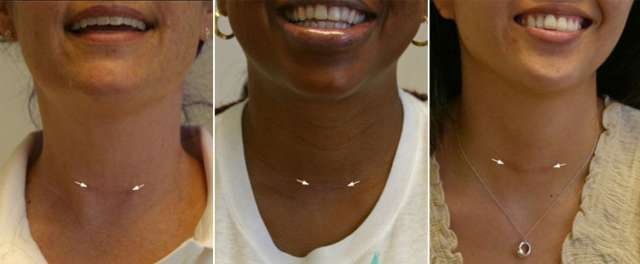
The 1–2 inch incision is placed within a natural skin crease low on the neck. It is closed with dissolvable internal sutures, skin glue, and steri-strips, causing it to fade significantly over several months into a faint, barely noticeable line.
Can thyroid cancer be treated without surgery?
Yes, in select cases. Small, low-risk papillary thyroid microcarcinomas (under 1.5 cm) can often be managed safely with active surveillance (routine ultrasound monitoring). Select tumors under 1 cm may also be eligible for radiofrequency ablation (RFA), a non-surgical thermal procedure.
When is radioactive iodine (RAI) therapy recommended?
Radioactive iodine is recommended following a total thyroidectomy for patients whose pathology shows an intermediate or high risk of cancer recurrence. It is preceded by a 10–14 day low-iodine diet.
How do I know if I need thyroid surgery?
Surgical recommendations are based on ultrasound imaging, fine-needle aspiration (FNA) biopsy results, nodule growth rate, and symptoms like difficulty swallowing or breathing. To schedule a comprehensive evaluation with the UCLA Endocrine Surgery team, call (310) 267-7838.
Thyroid Surgery Scar Photos and Video
Find your care
We deliver effective, minimally invasive treatments in a caring environment. Call 310-267-7838 to connect with an expert in endocrine surgery.
Medical review: Content reviewed by Dr. James Wu, MD, Endocrine Surgeon, UCLA Health. Last reviewed August 2026.