
Multidisciplinary Vascular Anomalies Clinic
Our team of specialists offers the latest treatments for a wide range of vascular anomalies.

Why Choose UCLA Health for Vascular Anomalies
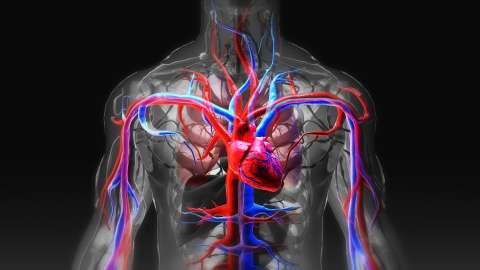
A vascular anomaly is an irregular change in a group of one or more blood vessels. You may also hear the term vascular malformation. This condition is often present at birth (congenital) and may look like a dark birthmark or skin blemish. Some vascular anomalies don’t become noticeable until later in childhood or adulthood.
Not all vascular anomalies need treatment. You may need treatment if a vascular anomaly causes problems or affects how you feel about your appearance. The UCLA Health Multidisciplinary Vascular Anomalies Clinic provides comprehensive, patient-centered care for children and adults.
UCLA Health provides comprehensive services for patients of all ages with vascular anomalies in a dedicated multidisciplinary clinic. You benefit from:
- Streamlined approach to care: Our clinic brings together leading specialists from multiple fields to evaluate, diagnose and treat vascular anomalies during one coordinated visit. This approach reduces delays in care.
- Dedicated team of specialists: Depending on your needs, your care team may include experts in dermatology, plastic surgery, interventional radiology and other fields. These experts work together to customize a treatment plan for your unique diagnosis and needs.
- Comprehensive treatment options: We offer a full range of nonsurgical, surgical and minimally invasive treatments for all types of vascular anomalies. Whatever treatment you need, we have the right specialists who can help.
- Advanced genetic services: Our clinical geneticists provide advanced testing and counseling for families who have gene changes or syndromes associated with certain vascular anomalies.
Who Can Benefit From the UCLA Health Multidisciplinary Vascular Anomalies Clinic?
You may need treatment if a vascular anomaly:
- Causes potentially life-threatening problems
- Becomes large or painful, bleeds or causes other symptoms
- Affects how you feel about your appearance
Your multidisciplinary care team
At our Multidisciplinary Vascular Anomalies Clinic, you benefit from the collective expertise of a coordinated team. Your care team may include specialists in:
- Plastic surgery
- Dermatology and pediatric dermatology
- Clinical genetics
- Head and neck surgery
- Interventional neuroradiology
- Interventional radiology
- Pediatric hematology oncology
- Pediatric otolaryngology (ear, nose and throat)
Conditions We Treat
Experts at our clinic diagnose and treat a range of vascular anomalies, including:
- Arteriovenous malformation (AVM): An AVM is an abnormal group of arteries and veins. It can cause a variety of symptoms and complications depending on its location.
- Capillary malformation: A capillary malformation causes a dark port-wine birthmark that can affect appearance. This mark occurs when small blood vessels called capillaries are bigger or more numerous than they should be. In rare instances, a capillary malformation may bleed or be a sign of a more serious vascular malformation.
- Combined and complex vascular anomalies: These conditions affect several different types of vessels, such as capillaries, veins and lymphatic vessels.
- Genetic and syndromic vascular anomaly conditions: Some people have gene changes or syndromes that increase the risk of vascular anomalies. These genetic conditions include Klippel-Trenaunay syndrome, Proteus syndrome and CLOVES syndrome.
- Infantile hemangioma: This vascular anomaly occurs when a tangled group of blood vessels forms on, or deep underneath, the skin of a baby’s head or neck. The birthmark gets bigger during infancy before shrinking and fading away. Some infantile hemangiomas may need treatment.
- Lymphatic malformation: A lymphatic malformation is a group of unusually large lymphatic vessels. Lymph fluid drains more slowly through a malformation and collects in enlarged vessels. A lymphatic malformation may need treatment if it causes pain or becomes infected.
- Venous malformation: A venous malformation is a group of abnormal veins that can grow over time. Blood moves more slowly through a malformation and can pool in the enlarged veins, causing an aching sensation and blood clots.
Treatments and Procedures We Offer
Our team of vascular specialists works together to customize a treatment plan for your specific diagnosis and needs. We offer a full range of nonsurgical and surgical therapies. We also provide long-term monitoring for patients with vascular anomalies and genetic syndromes.
Medications
Medications for vascular anomalies include:
- Topical therapies applied to the skin to treat superficial birthmarks and capillary anomalies
- Oral medications, such as beta-blockers, sirolimus or targeted therapeutic drugs, to treat select vascular tumors and malformations
Nonsurgical procedures
Nonsurgical procedures for vascular anomalies include:
- Embolization or sclerotherapy to treat abnormal vessels and relieve symptoms
- Endoscopic procedures to treat vascular anomalies that affect the nasal passages, throat or voice box (larynx)
- Image-guided procedures, such as ablation or drainage, for select vascular anomalies
- Laser treatments, such as pulsed dye laser, to improve the appearance of capillary malformations
Surgical procedures
Surgical procedures for vascular anomalies include:
- Airway, head and neck surgery for vascular anomalies that affect breathing or facial structures
- Reconstructive plastic surgery to restore appearance and function after treatments
- Surgical removal (excision) of vascular anomalies that cause pain, impair function or affect appearance
Genetic testing and counseling
Our clinical genetics team offers comprehensive services for patients and families with gene changes or syndromes associated with vascular anomalies. Genetic testing can aid diagnosis, guide treatment decisions and provide valuable information for family planning.
Genetic services we offer include:
- Family risk assessment and reproductive counseling to help you understand how a gene change affects you, your family and future family members
- Genetic counseling to help you learn more about a genetic vascular malformation
- Molecular (gene) testing of blood or tissue to identify gene changes known to cause certain vascular anomalies
- Personalized treatments informed by genetic test findings
Our Expert Team
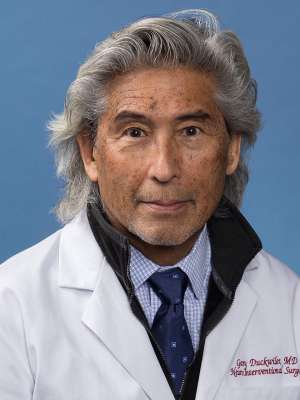
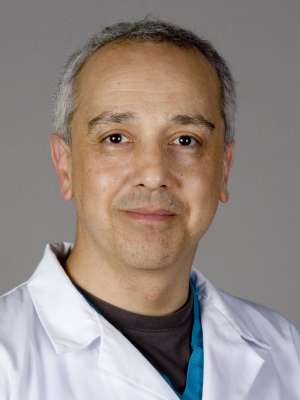
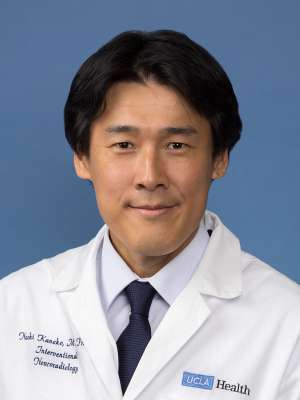
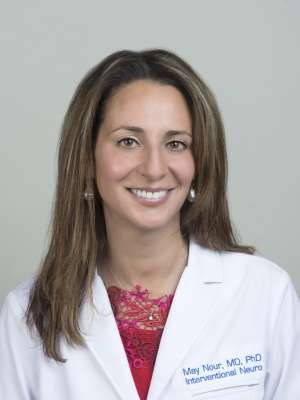
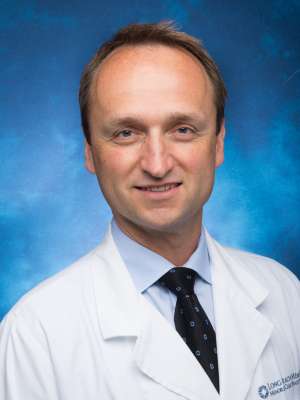
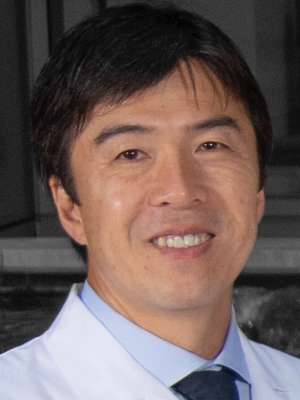
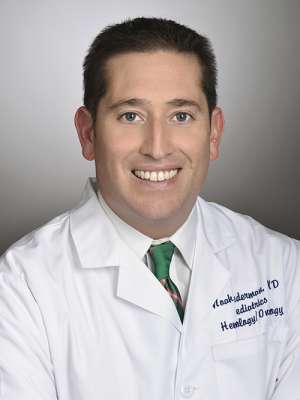
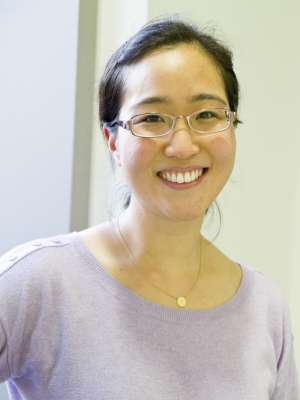
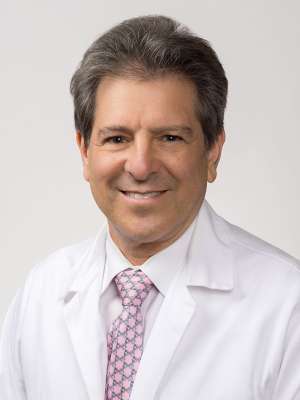
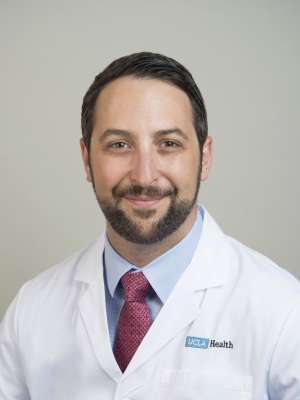
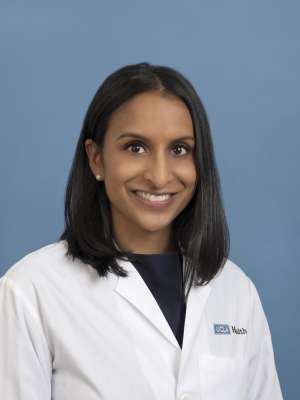
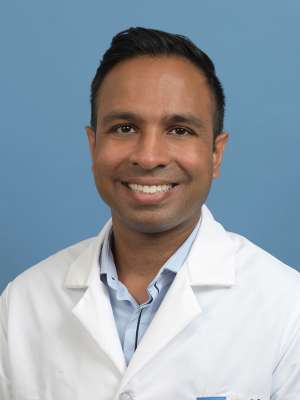
Our clinic brings together specialists from different fields to manage common and complex vascular anomalies in children and adults. We offer the latest nonsurgical and surgical treatments to improve your health and appearance. We also provide genetic testing and counseling.
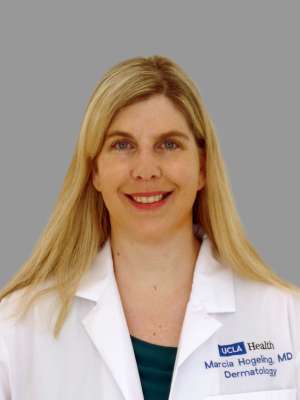
Dermatology
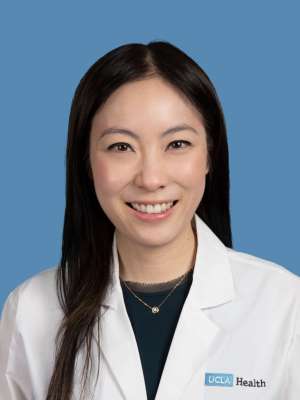
Pediatric Surgery
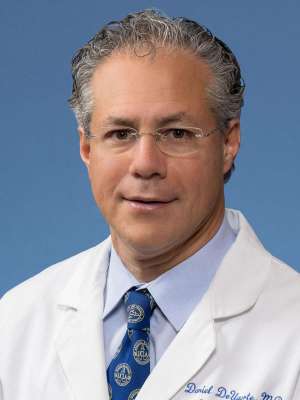
Interventional Neuroradiology
Hematology/Oncology
Ophthalmic Plastic and Reconstructive Surgery
Interventional Radiology

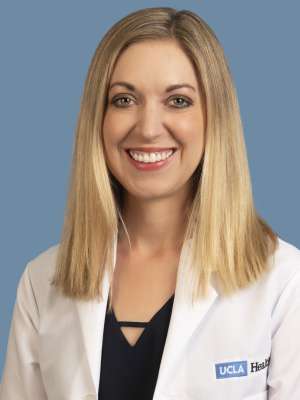
Clinical Genetics
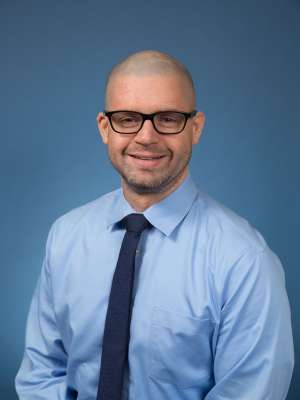
Otolaryngology
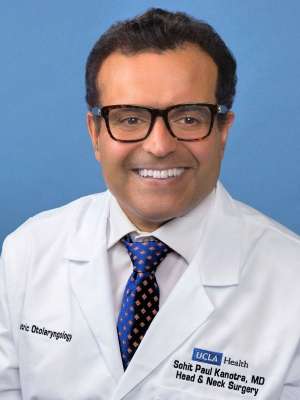
Plastic Surgery
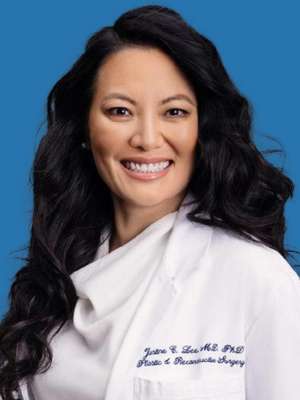
Contact Us
Call or email to request an appointment at the UCLA Health Multidisciplinary Vascular Anomalies Clinic.
Find Your Care
We offer comprehensive care for all types of vascular anomalies. To learn more about our Multidisciplinary Vascular Anomalies Clinic, call 310-481-7545 or email [email protected]