
Chair's Message Archive - 2026
September 2026 - Inclusive Excellence
Be Part of the Change: Join Us in Advancing Inclusive Excellence
The Department of Pathology and Laboratory Medicine (PLM) remains deeply committed to advancing Inclusive Excellence (IE) across every facet of our work.
As we begin FY27, we are excited to build on the progress of the past year and expand opportunities for faculty, staff, trainees, and students to participate in initiatives that strengthen our department, improve the experiences of our patients and colleagues, and serve our broader communities.
Welcoming Our New Inclusive Excellence Co-Chairs
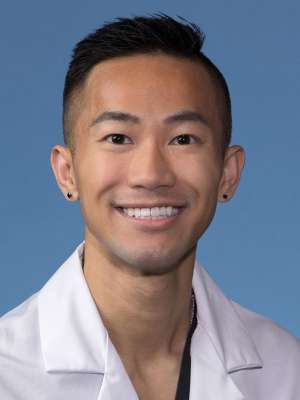
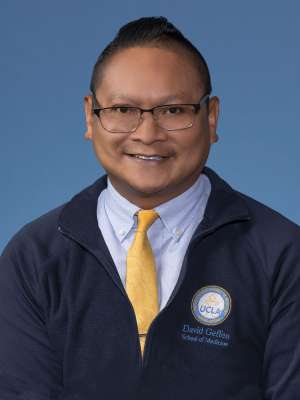
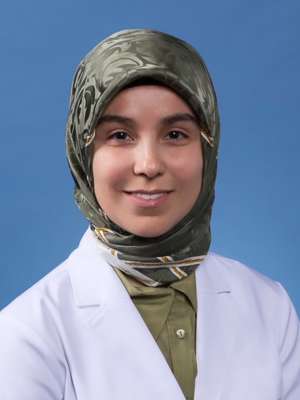
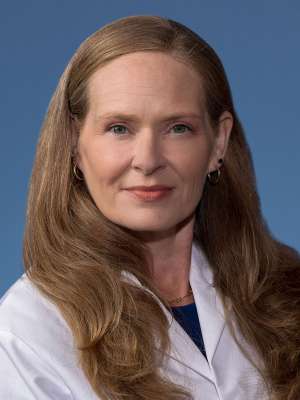
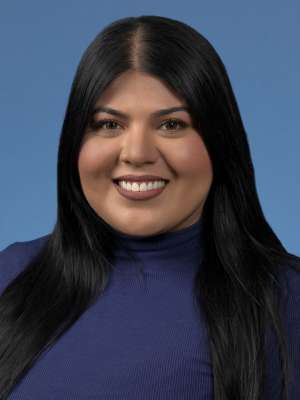
We are pleased to welcome Dr. Donald Doanman as our new Trainee Co-Chair and Ron Gonzalez as our new Staff Co-Chair of the Inclusive Excellence Program. They join Faculty Vice-Chairs Dr. Israa Laklouk and Dr. Rebecca Sosa in guiding the program’s priorities and initiatives for the year ahead.
As Trainee Co-Chair, Dr. Donaman will bring the perspectives and experiences of our trainees to the program, strengthen trainee engagement, identify opportunities for collaboration, and support an inclusive and welcoming learning environment across the department.
Ron brings more than 21 years of experience at UCLA. Throughout his career, he has championed operational excellence, employee development, and community engagement. As Staff Co-Chair, he will strengthen staff representation and engagement within the program and help ensure that staff perspectives inform our priorities and initiatives.
We also extend our sincere appreciation to Toshiko Ching and Dr. Cody Forsyth for their leadership and contributions as Staff and Trainee Co-Chairs, respectively. Their dedication and service have helped advance Inclusive Excellence and strengthen engagement throughout our department.
Upcoming Events
Inclusive Excellence Book Club
Building on the success of our previous cross-departmental Book Club Collaboration, the Inclusive Excellence program is once again partnering with the Department of Pediatrics to create opportunities for thoughtful discussion, shared learning, and connection across our departments.
Our upcoming three-part series will focus on trauma-informed healthcare through guided discussions on What Happened to You? by Oprah Winfrey and Dr. Bruce D. Perry. Healthcare work is deeply meaningful, but it can also be emotionally demanding. Together we will explore how trauma can affect our patients, our colleagues, and ourselves – and consider practical ways to foster compassionate, supportive, and psychologically safe healthcare environments.
The series will be moderated by Dr. Carrie Butler from the Department of Pathology and Laboratory Medicine and Dr. Juan Alejos from the Department of Pediatrics. The opening session will begin with welcoming remarks from the chairs of both departments and will feature Moira Szilagyi, MD, PhD, FAAP, professor of pediatrics at UCLA Mattel Children’s Hospital and a nationally recognized expert in childhood trauma, resilience, and trauma-informed pediatric care. Dr. Szilagyi will share her experience and insights on applying trauma-informed principles across healthcare settings.
We gratefully acknowledge the Inclusive Excellence Book Club subcommittees from both departments for developing this collaborative series: Nydia Flores and Dr. Christine Thang from Pediatrics, and Dr. Rebecca Sosa, Dr. Donald Doanman, and Ron Gonzalez from Pathology and Laboratory Medicine.
Meeting Details
- Session 1: Wednesday, September 9th at 12:00 pm
- Location: Hybrid In-Person/ Zoom - Ronald Reagan Medical Center, Room 5265 (Pennington Conference Room)
- Session 2: Wednesday, October 14th at 12:00 pm
- Location: Zoom
- Session 3: Wednesday, November 18th at 12 pm
- Location: Zoom
All are welcome and encouraged to attend.
Be Part of the Work – Join the Inclusive Excellence Committee
Inclusive Excellence is strengthened by the perspectives, experiences, and participation of our entire department. Faculty, staff, trainees, and students are invited to participate in the IE General Committee and contribute to initiatives throughout the year.
Whether you’re interested in shaping new initiatives, supporting existing efforts, or simply learning more, your participation is welcomed and valued.
FY27 Inclusive Excellence General Committee Meeting Dates:
- Wednesday, August 26th, 2026 at 12 pm
- Wednesday, December 2nd, 2026 at 12 pm
- Wednesday, April 21st, 2027 at 12 pm
If you are interested in participating in the General Committee meetings and/or would like to be added to the IE listserv, please complete the brief questionnaire, here.
Featured Initiative: Inclusive Excellence Plan in Action
Turner-UCLA Internship Collaboration – Summer 2026
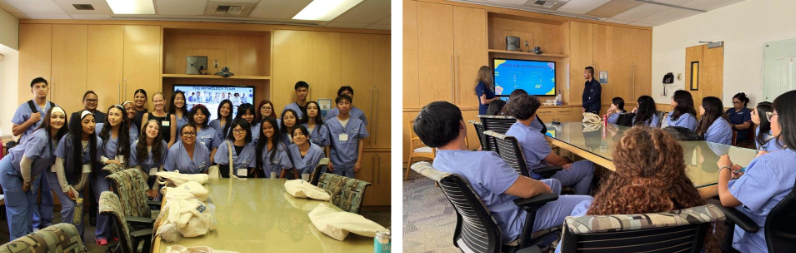
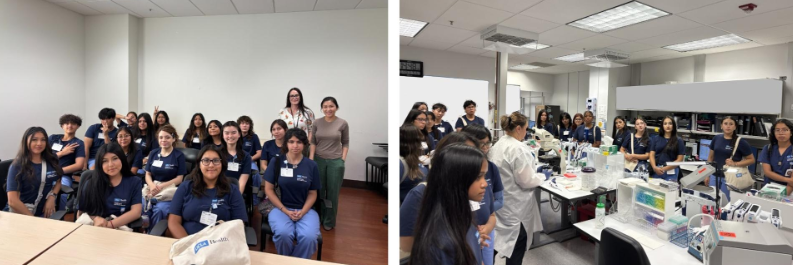
This summer, the Inclusive Excellence Program continued its commitment to community engagement and career pathway development through our collaboration with the Turner-UCLA Allied Health Internship Program.
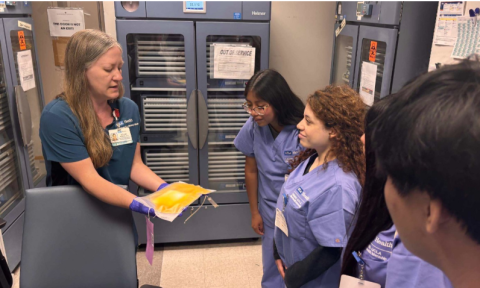
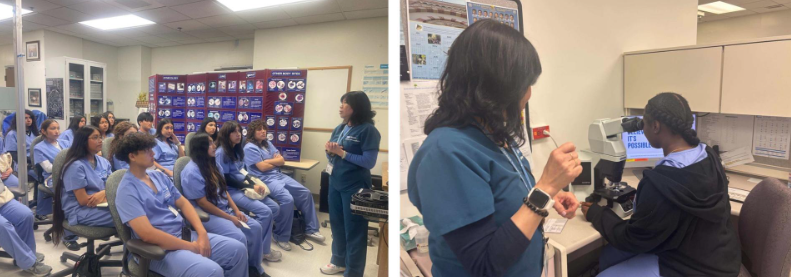
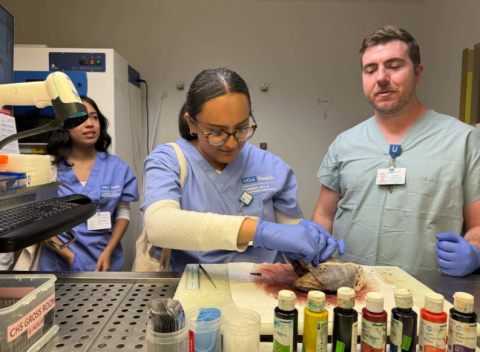
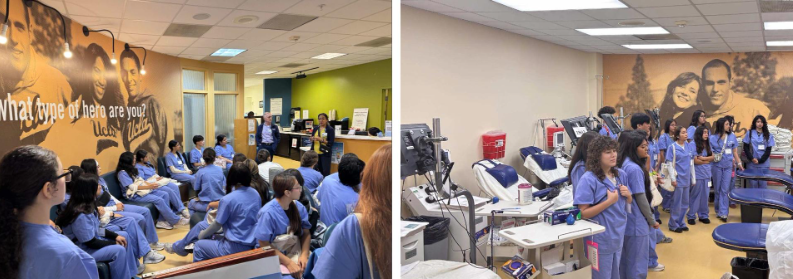
Through this partnership, 86 students had the opportunity to gain firsthand exposure to the diverse careers available within Pathology and Laboratory Medicine. Department faculty and staff helped bring these careers to life by sharing their professional experiences, introducing students to different areas of pathology and laboratory medicine, and providing opportunities for students to learn more about the education, training, and skills required to pursue careers in the field.
The Turner-UCLA collaboration reflects an important goal of our Inclusive Excellence Plan: building meaningful partnerships that expand awareness of and access to careers in healthcare and laboratory medicine. Early exposure, mentorship, and hands-on learning can help students envision themselves in these professions and better understand the many pathways available to them.
We are grateful to our departmental colleagues in the Blood and Platelet Center, Clinical Lab Science, Cytology, Immunogenetics, Surgical Pathology, and Turner-UCLA partners who helped make this year’s internship experience possible and look forward to continuing to strengthen opportunities for students to explore, learn, and envision their future in healthcare.
Mini Pathologist PlayLab
Immunogenetics
Clinical Lab Science
Cytology
Surgical Pathology
Blood & Platelet Center
Looking Ahead: Expanding the Mini Pathologist’s PlayLab
Building on the success of the Mini Pathologist’s PlayLab (MPP), the Inclusive Excellence Program is looking for opportunities to expand this engaging outreach initiative to additional schools and communities throughout the greater Los Angeles area and beyond.
The Mini Pathologist's PlayLab introduces students to the world of pathology and laboratory medicine through interactive, hands-on activities that make laboratory science approachable, engaging, and fun. Through activities such as examining parasite specimens, exploring bacterial growth on agar plates, and learning about urinalysis and other diagnostic techniques, students gain firsthand exposure to the important role laboratory professionals play in healthcare.
As we move into FY27, our goal is to build upon the existing PlayLab model and bring these experiences directly to more students at local schools, particularly those who may have limited exposure to careers in pathology, laboratory medicine, and the broader healthcare field. By expanding our school partnerships, we hope to increase awareness of the many career pathways available within our field and inspire students to envision themselves pursuing futures in science and healthcare.
Expanding the PlayLab will also create new opportunities for faculty, staff, trainees, and students across our department to serve as volunteers and mentors, share their own career journeys, and help make laboratory medicine more visible and accessible to the next generation.
We look forward to strengthening our community partnership and growing the PlayLab into a sustainable outreach program that can reach more schools, students, and future healthcare professionals throughout our community.
UCLA Pathology Grand Rounds Inclusive Series
The Inclusive Excellence Grand Rounds Lecture Series will continue in FY27, bringing speakers and perspectives to the department that encourage learning, discussion, and new approaches to advancing Inclusive Excellence in pathology and laboratory medicine.
FY27 speakers and dates:
- Friday, September 11th, 2026 at 12:00 pm (In-person and via Zoom) – Dr. Omai Garner
- Friday, January 8th, 2027 at 12:00 pm (via Zoom) – Dr. Terrence Keel
- Friday, March 26th, 2027 at 12:00 pm (via Zoom) – Dr. Jessica Harding
Meet Our Inclusive Excellence Leaders
Our work is led by a dedicated team of Co-Chairs and Program Manager who bring diverse perspectives and expertise from across the department. They are passionate advocates for Inclusive Excellence and are continuously striving to develop and achieve goals that will ultimately improve patient outcomes, expand awareness of Pathology among learners of all ages and introduce students to career options in our labs.
Learn more about our IE leaders and their contributions by visiting the Inclusive Excellence Website.
April 2026 – Lab Week
The American Society for Clinical Pathology (ASCP) Medical Laboratory Professionals or Lab Week will be observed April 19-25, 2026 – ASCP has selected a Toy Story theme this year. Lab Week is an annual celebration of medical laboratory professionals and pathologists who play a vital role in health care and patient advocacy. I would like to feature our Labs and Lab Professionals to highlight the important work they do for our department, patients, and community. Our department will be hosting daily activities throughout Lab Week. Additional emails will be sent regarding participation in the below activities. A special thank you to Maya, Heidi, and the One Lab Committee for arranging the department activities!
UCLA Clinical Microbiology Laboratory – Brentwood
The UCLA Clinical Microbiology Laboratory offers comprehensive testing for detection, isolation, characterization and susceptibility testing of infectious agents. We utilize rapid detection methods where possible for optimal patient care, including immunologic and nucleic acid based assays. The serology section also performs testing for selected autoimmune disorders. The laboratory has long been a leader among academic centers. We serve as a reference center for a number of proficiency testing surveys and maintain one of the longest running ABMM accredited Clinical Microbiology Postdoctoral Training Programs in the country.
Bruin University Reference Laboratory (BURL)
Founded in 2013, the Bruin University Reference Laboratory (BURL) was established to provide laboratory testing services specifically for UCLA Health ambulatory clinics. Since its inception, BURL has significantly expanded its reach, now serving over 300 clinics from Atascadero along the coast to Irvine. The lab operates ten draw stations and offers daily phlebotomy services to the California Rehabilitation Institute. With an impressive workload, BURL performs between 17,000 and 18,000 tests daily.
Key accomplishments this year include:
- BURL has partnered with Roche to develop a fully automated “lab of the future” at UCLA, with several foundational initiatives launched this year to begin the transformation.
- BURL is preparing to temporarily house two new instruments for West Valley Hospital. The West Valley team will complete validation at BURL prior to moving and integrating the instruments into their laboratory operations.
- Multiple improvements are underway in inventory management, supply organization, and space planning to expand our overall laboratory footprint.
- New testing has been validated on the Cobas Pro platform to reduce pressure on two existing chemistry lines and support increased testing volume.
- The building recently underwent a network upgrade and will soon receive additional bandwidth enhancements to support expanded automation.
Client Services
The Pathology and Laboratory Medicine Client Services Team serves as the central point of contact for all laboratory‑related inquiries from ambulatory and outreach physicians, clinic staff, and patients. The team manages a wide range of responsibilities, including resolving issues related to sample collection, patient services, and test processing, while proactively reaching out to offices to address problems and obtain missing information. They also support faculty by coordinating test requests and ensuring the timely delivery of slides and specimens. In addition, the team oversees specimen routing and manages all courier operations to maintain efficient transport workflows. Using Epic’s Client Response Module, they track, document, and resolve client issues, enabling the identification and mitigation of recurring concerns.
Center for Health Sciences (CHS)
Anatomic Pathology (AP) is a vital part of the study and treatment of disease, and is a vast field comprised of decedent pathology, surgical pathology, cytopathology, neuropathology and ophthalmic pathology. Surgical pathology is closely affiliated with the clinical andsurgical departments as well as all the surgical specialties, internal medicine, dermatology, neurology, radiology, radiation therapy, and medical oncology. Surgical pathology is the basis for diagnosis either intra-operatively or following surgery, and the surgical pathologist is called to advise the clinician about the correct diagnosis, appropriate therapy and prognosis. Our CHS building houses multiple AP Labs and teams, including Surgical Pathology, Bone Marrow and Flow Cytometry, Cytology, Histology, Immunohistochemistry (IHC), Molecular Diagnostics Laboratories (MDL), and the Electron Microscopy (EM) Lab.
This year’s accomplishments include:
- AP Referral Lab Services
- Expanded new referral lab send out workflow to include MGMT, TERT, MLH1and Tempus (lung) testing. The improvements have improved operational efficiency, communication, and data visibility. It has also minimized delays and missed test requests, while enabling easy data retrieval for workload metrics and in-house test planning. Overall, the changes support a more streamlined and reliable process, benefitting staff workflows, improving patient care outcomes, and optimizing the full lifecycle of referral lab tissue send outs.
- Flow Cytometry and Bone Marrow Laboratory
- The Flow Cytometry and Bone Marrow laboratories achieved several key operational and clinical milestones in 2025.
- Critical staffing gaps were addressed through the replacement of an Hospital Lab Technician II position, a Clinical Lab Scientist position and the successful internal promotion of a Lab Supervisor, ensuring leadership continuity and operational stability.
- The team completed validation of two BD Lyric instruments, transitioning the Lymphocyte Subset Enumeration & CD34 Stem Cell Enumeration tests from the legacy BD Canto II platform to State of the Art Lyric Instruments. This transition improved analytical performance and accuracy with LIS Interface capabilities while providing built-in efficiencies and redundancy to support business continuity and mitigate the risk of testing delays due to instrument downtime.
- Additionally, Bone Marrow turnaround time was improved by optimizing specimen pickup times from the Clinic, resulting in more timely processing and reporting of patient results.
- Molecular Diagnostics Laboratories (MDL)
- Medicare coverage technical approval for Comprehensive Hematologic Malignancy Sequencing Panel
- Expanded solid tumor Fusion Sequencing Panel from 145 genes to 157 genes
- BRAF V600 Mutation Analysis for Hematologic Malignancies
- Surgical Pathology & Autopsy
- Merger of West Valley Surgical Pathology operations under Jennifer Filipek and Jessica Jones
Cytogenetics
Cytogenetics is the study of the structure, function, and evolution of chromosomes. Chromosomal aberrations are hallmarks of different types of cancers and genetic conditions. The UCLA Cytogenetics Laboratory is a high-volume full-service operation, performing chromosomal studies for constitutional (prenatal and postnatal) and cancer (hematological neoplasms and solid tumors) indications on a variety of sample types such as, amniotic fluid, chorionic villus, blood, bone marrow, and tissue. The laboratory test menu has an extensive offering of FISH probes, karyotype studies, and chromosomal microarray analyses. The UCLA Cytogenetics Laboratory is also approved to perform cytogenetic testing for the California Prenatal Diagnosis Center and Children’s Oncology Group. The Cytogenetics team includes technicians, licensed laboratory professionals, Clinical Cytogenetics Specialist (CCS) trainees, Laboratory Genetics and Genomics (LGG) fellows and ABMGG board certified laboratory directors.
Notable accomplishments and projects include:
- Completed validation of B-ALL Ph-Like FISH panel to allow in-house testing (includes 3 new FISH tests added to the panel)
- JAK2 (9p24.1)
- EPOR (19p13.2)
- CRLF2/P2RY8 (Xp22.33/Yp11.32)
- New FISH test validations completed for:
- TCL1 (14q32.1) for T-PLL
- RUNX1 (21q22.1) for various hematological malignancies
- Completed culture validation for Marrow Max (bone marrow cell culture medium) to provide superior chromosomal morphology and ensure consistent growth of hematopoietic cells
- Implemented CareConnect enhancements for analysis and reporting HER2 FISH, Glioma panel FISH and Karyotype studies
UCLA Olympic Analytical Laboratory (OAL)
The UCLA Olympic Analytical Laboratory (OAL) is one of the world’s largest World Anti-Doping Agency (WADA) accredited sports drug-testing facilities. As one of the leading institutions in the field of athletic antidoping, OAL is one of two laboratories in the U.S. accredited by WADA. The laboratory analyzes an estimated 40,000 urine specimens per year for traces of banned substances intended to give athletes an unfair edge in competition. The laboratory primarily utilizes liquid and gas chromatography coupled together tandem or high-resolution mass spectroscopy to search for the presence of hundreds of drugs and their metabolites which have the potential to be abused by athletes to gain an unfair advantage both in and out of competition. The lab performs drug testing for national and international sports organizations, including the National Collegiate Athletics Association (NCAA), National Football League (NFL), Major League Baseball (MLB), the United States Anti-Doping Agency (USADA) and has provided testing services for major sporting events such as the 1994 World Soccer Cup and three Olympic Games.
UCLA OAL has been a leader in research activities directed toward enhancing methods todetect doping in sports. UCLA OAL has contributed to the findings of techniques and substances that currently influence the fight against doping in sports including work in the areas of dietary supplements and trace contaminants, work on designer drugs including those which have never been approved for human use, development of high-throughput and cost effective techniques for drug detection and utilization of alternative matrices such as dried blood spots for testing purposes.
During the past year, the laboratory reached an important milestone by joining the external quality assessment program for the hematological portion of WADA's athlete biological passport which is a crucial tool for detecting blood manipulation.
This year the laboratory published its work on development and validation of a carbon isotope ratio-based methodology utilizing extensive HPLC cleanup and formylation of steroids as well as the results of its study on identification and analysis of in vitro metabolites of the exercise mimetic SLU-PP-332 ERRa/b/g agonist.
Ronald Reagan University Medical Center
The UCLA Clinical Laboratory and Blood Bank at Ronald Reagan UCLA Medical Center remains a cornerstone of high-quality, patient-centered diagnostic care across UCLA Health. Serving patients in Westwood, Santa Monica, and an extensive network of affiliated outpatient clinics and physician offices, our laboratory combines scientific expertise, operational excellence, and compassionate service to support the evolving needs of ourcommunities.
Our phlebotomy teams provide care for both inpatients and outpatients throughout the hospital and at the Westwood 100 and 200 Medical Plaza locations. More than 350 laboratory professionals support comprehensive diagnostic testing across blood bank, blood gases, chemistry, coagulation, hematology, microbiology, serology, toxicology, and urinalysis. In addition, the laboratory oversees point-of-care testing across inpatient and hospital-based outpatient settings to ensure rapid, reliable results at the bedside. For highly specialized testing beyond our in-house capabilities, we partner with select reference laboratories to maintain the highest standards of quality and reliability.
The accomplishments below highlight our continued focus on patient safety, operational excellence, innovation, and workforce development.
Notable Projects and Achievements in 2025:
- Phlebotomy, Support Services, and Reference Testing
- Served an average of 15,500 patients per month at Westwood draw stations, a 3% increase from 2024.
- Implemented multi-language check-in within the QLESS draw station system to improve patient access.
- Continued renovation of the 200 Medical Plaza laboratory to expand draw stationsand improve patient throughput and decrease wait times.
- Optimized the referral testing menu by converting high-volume miscellaneous referral tests to discrete codes and expanding use of the Roche automation line for high-volume send-out workflows.
- Core Laboratory (Chemistry, Hematology, and Coagulation)
- Implemented new instrumentation, including the XN-1000i hematology analyzer, ROTEM Sigma analyzers in the Anesthesia laboratory, and iSED Elite analyzers in Hematology, improving testing capacity and turnaround times.
- Introduced rapid syphilis testing to support Emergency Department patients, enabling faster diagnosis, treatment, and linkage to care.
- Reduced routine coagulation test turnaround times by 25%.
- Transfusion Medicine/Blood Bank
- Incorporated West Valley Blood Bank into UCLA Blood Bank policies and procedures with medical director oversight and added it as a third testing site in SafeTrace Tx.
- Implemented the BloodAdmin module in CareConnect to enhance operating roomtransfusion documentation.
- Launched electronic issue documentation for emergent neonatal transfusions and developed new bone marrow transplant donor/recipient reports to streamline reporting.
- Expanded the use of low-titer O-positive whole blood for trauma resuscitation.
- Participated in major research initiatives including the Cold-Stored Platelets (CHIPs) Cardiac Surgery Trial and the Duffy Associated Neutrophil Count (DANC) donor antigen study.
- Education, Workforce Development, and Scholarship
- Welcomed eight Clinical Laboratory Scientist (CLS) trainees from California State University Dominguez Hills for clinical rotations and celebrated the graduation of eight trainees, two of whom joined UCLA and University of California Irvine Health laboratory teams.
- Hosted four summer cohorts of laboratory tours and presentations through the Turner–UCLA Allied Health Internship.
- Delivered quarterly CLS career presentations to UCLA LS110 and undergraduate audiences, and presented CLS career pathways to the Asian Pacific Health Corps.
- Faculty, housestaff, and staff presented posters at the AABB, Association for Diagnostics & Laboratory Medicine, and PLUGS annual meetings.
- Quality, Stewardship, and Regulatory Excellence
- Successfully completed an FDA survey of the blood bank with no observations or reportable findings.
- Completed 726 CAP proficiency testing events across regulated and unregulated analytes.
- Provided operational and regulatory support for the West Valley laboratory and blood bank, including protocol alignment and Epic CareConnect go-live preparation and support.
- Implemented MediaLab/CAP Competency Hub to strengthen training, competency tracking, and regulatory compliance.
As we move into 2026, we remain committed to delivering accurate, timely, and compassionate diagnostic services that support world-class patient care. The expertise and dedication of our laboratory professionals continue to drive innovation and excellence across UCLA Health.
Santa Monica Clinical Laboratory
Santa Monica Clinical Laboratory is comprised of the inpatient clinical lab and the outpatient draw station. Our outpatient draw station offers world-class laboratory services with outstanding customer care. Our services include onsite blood draw, specimen collection, and specimen drop-offs. Our draw station serviced 51,175 patients in 2025. The inpatient clinical lab provides a wide range of laboratory services with advanced technologies that aid clinicians in diagnosing, treating, and monitoring diseases.
We offer our staff a unique opportunity to gain valuable experience across multiple areas of the lab. Our pre-analytical staff are highly skilled in phlebotomy, specimen processing, and operating and maintaining our Total Lab Automation (TLA) line. Our clinical lab scientists are equipped with comprehensive laboratory knowledge by rotating through different sections of the lab, including Blood Bank, Hematology, Chemistry, Coagulation, Urinalysis, limited Microbiology, Point-of-Care, and Intra-operative PTH testing. We commit to delivering high-quality patient care through all phases of laboratory testing, from pre-analytical to analytical and post-analytical, by constantly improving the way we deliver our services.
Some notable accomplishments in 2025 include:
- Preanalytical – Inpatient
- Implemented a phlebotomy buddy system for morning draws, significantly reducing turnaround times for blood collection.
- Created a new phlebotomy tray storage and provided each phlebotomist their own tray so they can be on the floor faster.
- Streamlined draw assignment workflow for evening shift to minimize unnecessary walking and improve efficiency.
- Transitioned responsibility for draw management in evening shift from dispatchers to individual staff members. This not only reduced dispatcher burden but also promoted staff ownership and accountability, contributing to improved morale and reduced burnout.
- Preanalytical – Outpatient
- Implementation of Next Day Clinic Queue: A dedicated queue and workflow was launched for patients who were first seen in the Emergency Department but required outpatient phlebotomy services. This initiative ensured timely laboratory results, directly supporting expedited patient care and clinical decision-making.
- Workflow Optimization: The registration process was restructured to eliminate redundancies. Patients are now sent directly to the phlebotomist for one-click initiation, rather than being clicked in during registration. This change significantly streamlined the workflow, resulting in faster processing, improved communication, and increased patient satisfaction.
- Updated the patient check-in kiosk and notification messages to improve outpatient communication.
- Implementation of Advanced Beneficiary Notice (ABN) workflow – a system that automatically checks the ordered procedure’s CPT code against the linked diagnosis to inform the providers and the patients promptly on Medicare coverage.
- Point-of-Care Testing
- Implementation of new analyzer for Intra-Operative PTH testing – a new technology, more reliable and stable instrument, eliminate the manual sample processing.
- Blood Bank
- Adjusted blood inventory to better support Massive Transfusion Protocols andour patients’ needs.
- Created a CareConnect surgery schedule specific for Blood Bank needs to streamline workflow and improve blood preparation for surgeries.
- Hematology
- Implementation of the new Hematology line and interface software – optimizing workflow and ensuring timely result delivery.
- Implementation of Syphilis Health Check Test for SM ED – aiding in the reduction of Syphilis spreading in the community.
- Enhanced blood parasites testing for result accuracy.
- Chemistry
- Implementation of Beta-Hydroxybutyrate test – supported the new American Diabetes Association (ADA) consensus for Diabetes/Ketosis/Metabolic Acidosis diagnosis, monitoring and resolution. Bringing this test in-house is beneficial to the patients and significantly reduces the result turnaround time of the test.
- Quality Assurance
- Implementation of MediaLab Compass for staff competency assessments –reduced paper waste, automatic competency assignment, standardized competency process.
- Standardized the critical result notification SOP with RRH and BURL.
- Simplified CSF Cytology processing workflow to reduce errors and improve turnaround time.
- All our Quality Assurance Indicators are consistently above the targets.
UCLA Immunogenetics Center
The UCLA Immunogenetics Center (UIC) provides state of the art Histocompatibility and Immunogenetics testing for solid organ and stem cell transplantation, pre and posttransplant immune assessment and testing for diagnosis of diseases with associations to the Human Leukocyte Antigens. As one of the first established laboratories in Histocompatibility and Immunogenetics, we continue to advance the field through research, clinical innovation, proficiency testing and educational training UIC provides customized testing and support services for clinical trials and clinical research to monitor response to experimental therapy.
New Lab Updates
As part of UIC’s ongoing commitment to innovation and operational excellence, our department is introducing three new instruments that will significantly strengthen our laboratory capabilities. These additions position our team to meet growing clinical and research needs with greater efficiency and scalability.
Janus Device
We are pleased to announce the implementation of the JANUS automated liquid handling system, an advanced, flexible pipetting technology to enhance precision and throughput in our aliquoting workflows. This brings transformative improvements to our aliquoting and sample‑processing capabilities. By leveraging modular, high‑accuracy pipetting technologies, this system strengthens our ability to support complex immunogenetic analyses with greater speed, and even greater consistency.
Nanopore Sequencing
Our UIC lab will go live with Nanopore Sequencing for clinical HLA typing using the GenDxplatform. This milestone will significantly reduce processing times and costs.
West Valley Medical Center
UCLA Health’s leading-edge patient experience is now available in West Hills for residents of the San Fernando Valley. The UCLA Department of Pathology and Laboratory Medicine assists the West Valley Medical Center (WVMC) health professionals and patients in making optimal decisions based on the latest diagnostic studies, using state-of-the-art instrumentation.
Anatomic Pathology operations have transitioned to the oversight of Dr. Irene Riahi, Alex Martin, Jennifer Filipek, and Jessica Jones. This change was implemented to better align with UCLA Health standards and to enhance operational efficiency. Under this new leadership structure, the department remains committed to ensuring the delivery of high-quality care to all West Valley patients.
March 2026 - Research Support Updates
I am pleased to share exciting updates on the continued growth and impact of our research cores and the Medical Scientist Training Program (MSTP). These programs remain central to our Department’s and UCLA’s mission, providing essential infrastructure, fostering interdisciplinary collaboration, and training the next generation of physician-scientists. Our 5 research cores are the most of any department in DGSOM.
Our research cores serve as critical engines of discovery, supporting innovative investigations across basic, translational, and clinical domains. At the same time, the MSTP continues to cultivate exceptional trainees who embody the integration of scientific inquiry and clinical excellence. Together, these efforts strengthen our academic community and advance our shared commitment to scientific rigor, mentorship, and transformative research.
Technology Center for Genomics & Bioinformatics (TCGB)
In FY2025, TCGB experienced rapid and dynamic growth across technologies, services, research, and education. The center acquired eight new technologies and developed eleven new services covering bulk sequencing, single-cell multiomics, spatial transcriptomics, and sequencing-based proteomics. Additionally, TCGB launched two targeted R&D projects to improve data quality and enhance data management and analysis support, and also delivered 16 seminars/webinars, 11 lectures, three one-day data analysis workshops, and four Q&A/office hour sessions. Powered by these advanced technologies and resources, TCGB processed approximately 60,000 samples for over 300 UCLA laboratories and contributed to more than 80 publications.
Immune Assessment Core (IAC)
The Immune Assessment Core continues to advance its mission of supporting basic, clinical, and translational research through comprehensive immunological testing. Our goal is to provide standardized and customized assays that evaluate both innate and adaptive immune status, enabling high-quality, reproducible data for investigators.
Core Services Include:
- CLIA-certified multi-parameter flow cytometry
- Multiplexed cytokine/chemokine detection (Luminex, MSD)
- Ultra-sensitive immunoassays (MSD)
- Cellular immune function assays (T/B cell proliferation, NK cytotoxicity)
- Customized assay development and data analysis support
Recent Highlights:
New Technology:
- MSD QuickPlex SQ 120 instrument is the newest multiplexing instrument offering affordable access to high-performance, electrochemiluminescence immunoassays, which allow arrays within each well for increased throughput and multiplexing—up to 10 spots per well and ultrasensitive detection.
Recent Publications:
- Diffuse neuroinflammation and immature neuron loss in fetal Rhesus macaques after short-term intrauterine infection. Presicce P, Beckman D, Diniz GB, Cappelletti M, Ott S, Bercovici S, Kale S, Babb P, Mohole J, Richardson LS, Kammala AK, Menon R, Miller LA, Crouch EE, Jobe AH, Divanovic S, Chougnet CA, Way SS, Morrison JH, Kallapur SG. J Neuroinflammation. 2026 Jan 15. doi: 10.1186/s12974-025-03686-y. PMID: 41535926.
- Posttranscriptional control of hepatic CEACAM1 3'UTR by human antigen R (HuR) mitigates sterile liver inflammation. Cheng B, Tibbe TD, Yao S, Wei M, Wong ZY, Torgerson T, Chiu R, Kasargod AS, Nakamura K, Cappelletti M, Sim M, Farmer DG, Kaldas F, Kupiec-Weglinski JW, Dery KJ. JCI Insight. 2025 Sep 23;10(18):e194227. doi: 10.1172/jci.insight.194227. eCollection 2025 Sep 23. PMID: 40985895
Pathology Research Portal (PRP) & Center for Pathology Research Services (CPRS)
- Pathology Research Portal (PRP): Serves as a CAP-accredited biospecimen liaison, ensuring efficient coordination between researchers and clinical testing for high-quality biofluid sample management.
- Center for Pathology Research Services (CPRS): Provides centralized access to pathology research resources, improving coordination, cost-efficiency, and navigation of departmental services.
Core Services Include:
- Processing and storage of plasma, serum, buffy coat,
- CSFUrine and stool sample handlingPeripheral blood mononuclear cells (PBMC) and leukopak processing
- Short-term and long-term storage rental
- Specimen shipping
Recent Highlights:
- New Technologies:
- Sysmex XN-350: Offers open tube sampling and an integrated IPU with LCD touchscreen, optimized for cell counts and viability of primary cells from peripheral blood, cord blood, bone marrow, and other complex samples.
- Cytospin: Concentrates cells from fluid specimens onto microscope slides for subsequent staining and examination.
- Recent Publications:
- Host-microbe multiomic profiling identifies distinct COVID-19 immune dysregulation in solid organ transplant recipients. Pickering H, et al. Nat Commun. 2025 Jan 10;16(1):586.
- Accelerated Hypofractionated Chemoradiation Followed by Stereotactic Ablativ Radiotherapy Boost for Locally Advanced, Unresectable Non-Small Cell Lung Cancer: A Nonrandomized Controlled Trial. Wu TC, et al. JAMA Oncol. 2024 Jan 11.
- A phase 1 study of triple-targeted therapy with BRAF, MEK, and AKT inhibitors for patients with BRAF-mutated cancers. Algazi AP, et al. Cancer. 2024 Jan 23.
Translational Pathology Care Laboratory (TPCL)
The TPCL continues to provide CAP-accredited pathology services for human and animal tissues that support basic, translational, clinical, and population research through advanced diagnostic and molecular techniques.
Core Services Include:
- Tissue procurement, storage, and provision
- Immunohistochemical (IHC) staining
- Multiplex immunofluorescent (IF) staining
- In situ hybridization (ISH) and fluorescent in situ hybridization (FISH) with RNAScope probes
- Digital imaging and image analysis services
- Laser capture microdissection (LCM) specimen preparation
Recent Highlights:
- New Technologies:
- Specimen preparation for spatial gene expression platforms (Visium, Xenium, CosMx, GeoMx, StereoSeq) on both frozen and paraffin-embedded tissue
- Nine-color multiplex immunofluorescence capability
- Research-specific needle core biopsies obtained in Interventional Radiology (IR)
- Recent Publications:
- A novel murine carcinogen-induced model recapitulates the progression and heterogeneity of human lung adenocarcinoma. Pandey A, et al. Lung Cancer. 2025 May 10;206:108581.
- A phase 1 study of triple-targeted therapy with BRAF, MEK, and AKT inhibitors for patients with BRAF-mutated cancers. Algazi AP, et al. Cancer. 2024 Jan 23.
- Comprehensive tissue deconvolution of cell-free DNA by deep learning for disease diagnosis and monitoring. Li S, et al. Proc Natl Acad Sci U S A. 2023 Jul 11;120(28).
Medical Scientist Training Program (UCLA-Caltech MSTP)
For over four decades, the University of California Los Angeles-California Institute of Technology Medical Scientist Training Program (UCLA-Caltech MSTP) has trained accomplished physician-scientists dedicated to advancing scientific and clinical discoveries and driving technology innovations to the benefit of human health and disease outcomes. Continuously funded by NIH since 1983, the program currently supports 128 trainees, making it one of the largest MD-PhD programs in the nation. The UCLA-Caltech MSTP will celebrate the graduation of its 300th trainee later this spring and boasts outstanding career outcomes with nearly 80% of alumni participating in the biomedical research workforce across academia, industry, and government.
The UCLA Caltech MSTP, co-directed by Dr. David Dawson (Pathology) and Dr. Olujimi Ajijola (Medicine) recruits accomplished students with a demonstrated passion for scientific knowledge and unwavering commitment to research, medicine, service, and leadership. MSTP students flourish academically and scientifically across a range of research interests with current trainees affiliated with 20 distinct degree-granting programs at UCLA or Caltech. The MSTP provides strong faculty and peer mentorship, didactic and experiential learning, and professional development activities integrated with medical training in the UCLA David Geffen School of Medicine and PhD research at UCLA and Caltech. Various program innovations and a dedicated and collaborative team of directors, administrators, student leaders and participating faculty have contributed to outstanding training outcomes even as the MSTP has grown considerably in size (50% increase in the trainee cohort in the past decade). MSTP graduates excel, completing the joint degree in an average of 8.2 years with 5-6 published manuscripts (2-3 as first author). Recent program innovations spearheaded by Drs. Dawson and Ajijola seek to enhance physician-scientist identity and professional development across all years of training while shortening time to dual degree completion. The new DGSOM HEALS curriculum has provided unique opportunities to further innovate dual degree training at UCLA. MSTP students now complete most core clinical clerkships in their second year prior to beginning their PhD training. This robust clinical exposure enhances trainees’ longitudinal clinical activities during the PhD and better informs their choice and direction of their PhD research, improving alignment with clinical specialty interests and future career goals.
The Department of Pathology and Laboratory Medicine plays an outsized role in the operation and success of the MSTP. In addition to Dr. Dawson’s longstanding role in MSTP leadership, several current faculty members in our department now or have previously served as primary research mentors for MSTP students and/or on the MSTP Admissions Committee. They include Drs. Valeria Arboleda, Corey Arnold, Gay Crooks, Tomas Ganz, Siavash Kurdistani, Dinesh Rao, Michael Teitell (also a former MSTP Associate Director), Peter Tontonoz, and Harry Vinters. The department and its faculty also have a strong track record in helping UCLA MSTP trainees in identifying and pursuing residency training in pathology, including a record-breaking four MSTP students who are applying to pathology programs in the current match cycle (good job everyone!) Several UCLA-Caltech MSTP alumni are pursuing successful physician-scientist careers in pathology across the country, including our very own Drs. Arboleda and Teitell.
Trainee Appreciation
Resident & Fellow Appreciation Day is observed each year on the last Friday of February. This year, we celebrated on February 26, 2026, by hosting a special event to honor and thank our residents and fellows for their dedication and contributions.
We celebrated our Trainees with a well-deserved break featuring chair massages and pizza! The event allowed the Trainees to relax and recharge, then enjoy fresh pizza with their colleagues.
Between July 1, 2025 and June 30, 2026, our trainees (residents and fellows) presented/will present 53 abstracts at meetings, published (or have had accepted) 14 manuscripts, won 4 awards for research and have formal leadership roles in 6 organizations. We are so grateful for their contributions and so proud of them!
February 2026 - Alumni Updates
I am pleased to highlight the accomplishments and continued engagement of our distinguished alumni. Our graduates remain an integral part of the Department’s legacy, advancing pathology through clinical excellence, research innovation, education, and leadership across the globe.
Looking ahead, future Chair’s Messages will include Alumni Spotlights as a way to strengthen connections within our community. Their stories not only reflect individual success, but also highlight the enduring impact of our Department and the shared foundation that connects us all.
Dr. Mohammad Kamal
Dr. Mohammad Kamal is the founder and CEO of OmniPathology Laboratory in Pasadena, California. He completed his residency training in anatomic and clinical pathology at Harbor-UCLA Medical Center in 2002, followed by a fellowship in gastrointestinal pathology at UCLA, completed in 2003.
His specialized training in gastrointestinal and his interest in head and neck pathology has informed both his clinical practice and research interests. Dr. Kamal has led the development of a novel, noninvasive test to detect oropharyngeal HPV using a swab, reflecting his commitment to innovation in cancer screening and prevention. He regularly lectures on colitis and inflammatory bowel disease, as well as HPV-associated oropharyngeal cancer, with a focus on clinically relevant pathology and translational applications. Dr. Kamal continues his contributions to the Department through a donation to trainee professional education programs and attending Q&A sessions for residents.
Dr. Stephen Koh
Dr. Stephen Koh graduated from the Keck School of Medicine of USC in 2005. He completed a combined AP/CP residency at UCLA’s David Geffen School of Medicine in 2009, followed by Surgical Pathology and Dermatopathology fellowships, completed in 2011. He subsequently joined the Southern California Permanente Medical Group (SCPMG). Comprehensive general training and organ system based signout with subspecialty attendings provided a strong foundation for community practice, which proved invaluable when transitioning to independent practice with a high-volume, multispecialty caseload.
During training, Dr. Koh served as chief resident, gaining meaningful administrative experience. He also focused on research, including work on gene expression microarray technology to distinguish benign nevi from melanoma. This work was supported by UCLA translational research funding and the Sarkaria Fellowship, culminating in the Stowell Orbison Award and Los Angeles Society of Pathologists (LASOP) first prize, as well as national presentations. Research interests continued into practice at SCPMG, where he remains involved in IRB-approved projects. The UCLA residency and fellowship training were instrumental in shaping Dr. Koh’s clinical, academic, and professional development. Dr. Koh continues his contributions to the Department by hiring UCLA Pathology residents and mentoring them on their professional journeys.
Dr. Natalia Liu
Dr. Natalia Liu completed the combined anatomic and clinical pathology residency at UCLA in 2022. She joined her partner at Vanderbilt University, where she completed a GI/Liver Pathology fellowship in 2023. Her training at UCLA provided strong organizational skills and broad surgical pathology experience that formed a solid foundation for managing complex GI/Liver cases at Vanderbilt. She particularly valued the extensive grossing experience at UCLA and the guidance of the pathologist assistants, which proved essential for approaching and staging complex GI/Liver resections during fellowship.
She remained on faculty at Vanderbilt for one year before transitioning to the University of Vermont through a series of serendipitous professional connections that provided job opportunities that matched the career goals for both her and her partner. She is currently an Assistant Professor at the Larner College of Medicine (LCOM) at UVM in Burlington, Vermont, with clinical and research interests in GI/Liver Pathology. Her academic focus centers on medical student education, where she serves as the primary lecturer for liver pathology in the Nutrition, Metabolism, and Gastrointestinal block and leads the associated gross labs. She is also deeply involved in mentoring and advising through roles as the Pathology Student Fellowship/Post-Sophomore Fellowship Director, LCOM Specialty Advisor for Pathology, and faculty mentor within the pathology residency program for residents interested GI/Liver Pathology.
She hopes her career path highlights the value of building a broad knowledge base during residency and maintaining professional connections, as these relationships can open unexpected and rewarding opportunities. Dr. Liu continues her contributions to the Department by speaking with residents about careers after residency.
Dr. Judy Melinek
Dr. Judy Melinek is a graduate of UCLA Medical School and completed a Post-Sophomore Fellowship at UCLA in 1994, followed by a combined anatomic and clinical pathology residency in 2001, during which she served as Chief Resident. She pursued subspecialty training in forensic pathology at the New York City Medical Examiner’s Office and has built a distinguished career in academic, governmental, and private practice settings.
Dr. Melinek is a board-certified forensic pathologist and currently serves as Chief Forensic Pathologist for Communio LTD in Wellington New Zealand and as the CEO and owner of PathologyExpert Inc., where she provides forensic pathology legal consultation and expert witness services in the United States. She previously served as a forensic pathologist at the New York City Medical Examiner’s Office from 2001-2003. Working Stiff: Two years, 262 Bodies and the Making of a Medical Examiner, a memoir about her training in New York, was a New York Times bestseller and chronicled her experiences responding to the 9-11 terrorist attacks. She and T.J. also collaborated on fictional detective novels (First Cut and Aftershock), based on Dr. Melinek’s experience as a medical examiner in San Francisco and Alameda County. Widely recognized for her contributions to medical education and public engagement, Dr. Melinek is also an accomplished speaker, with a professional focus on forensic pathology, ethics, and physician wellness. She has also published academic publications on the subjects of gunshot wound trajectory analysis, sharp trauma, and cognitive bias in forensic pathology decision making. Dr. Melinek remains actively engaged with the Department by delivering lectures to residents and facilitating connections between local students interested in pathology and the Department.
Dr. Alex Nobori
Dr. Alex Nobori completed the combined anatomic and clinical pathology residency at UCLA in 2019, and served as Chief Resident (conference chief). He continued his subspecialty training at UCLA, completing the Bone and Soft Tissue Pathology Fellowship in 2020 and a Dermatopathology Fellowship in 2021.
Currently, Dr. Nobori is a partner physician pathologist at the Kaiser Southern California Permanente Medical Group (SCPMG), where he signs out general pathology cases and serves as the dermatopathologist consultant for his medical center. The training in surgical and clinical pathology at UCLA prepared him extremely well for daily case sign out in general practice. He is also a faculty lecturer in the Health Systems Science Department in the Kaiser Permanente Bernard J. Tyson School of Medicine.
Dr. Nobori serves in several leadership roles within the Kaiser system, including as the SCPMG Regional Pathology Practice Support Leader, the chair of the West Los Angeles Blood Management Committee, and the lead for the West Los Angeles Laboratory Test Appropriateness Committee. His experiences at UCLA were critical for his early development in health care leadership. He continues to use tools he developed during his chief residency and through the UCLA Resident Quality Improvement and Informaticist programs. He strongly encourages residents to take advantage of these valuable opportunities. Dr. Nobori continues his contributions to the Department by presenting to residents on career development after residency and mentoring new faculty alumni at Kaiser.