
Chair's Message Archive - 2025
May 2025 - Unit Spotlight: Pathology Facilities & Operations
The Pathology Facilities and Operations team manages facilities, equipment, and safety and compliance for the Department across multiple sites – Westwood, the Bruin University Reference Laboratory (BURL), Santa Monica Medical Center, The UCLA Immunogenetics Center (UIC), Olympic Analytical Lab (OAL) and West Valley Medical Center (WVMC).
The Pathology Facilities and Operations team is comprised of three specialty groups: Pathology Facilities, Pathology Equipment, and Pathology Safety & Compliance. The groups work seamlessly together to maintain operations and execute high-level projects across our multiple locations. They are also a key component for successful department events, ensuring appropriate A/V and technical support and event management. They have supported large-scale events including Research Day and department appreciation events.
The Facilities teams manages Pathology-owned spaces and laboratories, including key/badge access, office/workstation installs, vendor management, furniture procurement, and partnering with University Facilities to address issues/damage requiring work by teams outside of the department.
Pathology Equipment manages department equipment and maintenance, not limited to microscopes, computers, conference rooms, and other required equipment. They also assist with requests for equipment relocation, software requests, and interfaces with ISS and DGIT for seamless workstation installations.
Pathology Safety & Compliance assists with pre-inspection and inspection requests, reporting for Chemical/Biohazardous Spills (post-event), Reporting Accidents (post-incident, research-side only), Laboratory Onboarding/Decommission, Emergency Preparedness, capital lab equipment requests, training, and general safety practices.
The Pathology Facilities and Operations team is a vital part for the Department of Pathology and Laboratory Medicine. They provide essential resources to ensure maximum efficiency within our facilities to foster a safe and productive environment to further our Department’s commitment and UCLA Health’s mission to deliver leading-edge patient care, research, education, and community engagement. Thank you Facilities and Operations team, for all you do to help our Department provide outstanding patient care, research, education and administrative activities!!!
Meet the Team
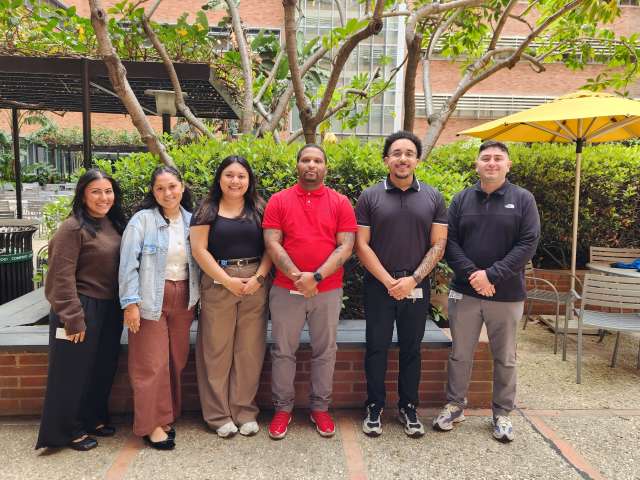
- Lindy Coe – Manager
- Joe Church – Supervisor
- Emily Irineo – Administrative Assistant III (supports PAS & Facilities)
- Jessica Martinez – Facilities Management Specialist, Pathology Equipment
- Teresa Mejia – Facilities Analyst
- Amari Moore – Facilities Analyst
- Christopher Pang Gonzalez – Safety & Compliance
- Ricardo Zaragoza – Facilities Management Specialist, Pathology Equipment
Current Projects
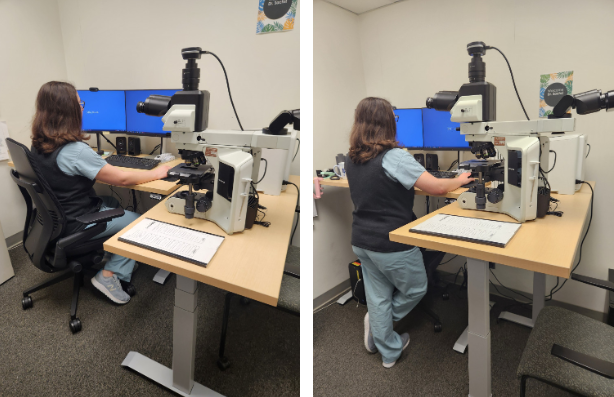
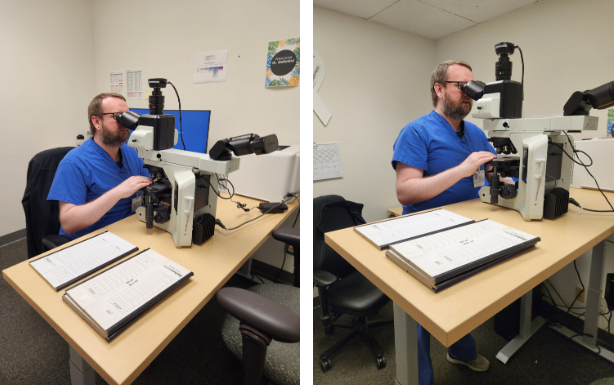
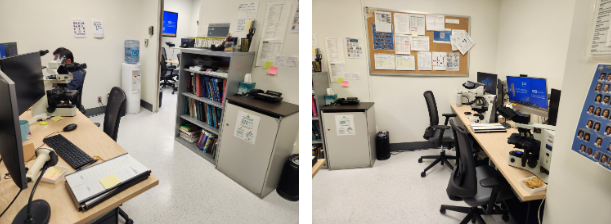
- Height Adjustable Desks for Faculty – Providing options for signout either sitting or standing to enhance workspace ergonomics.
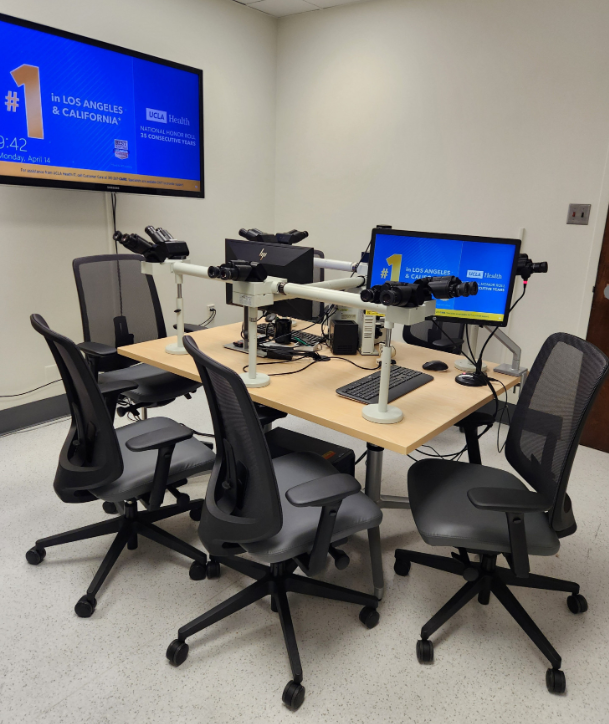
- Hemepath Fellows Room – Enhanced workspace for signout, the Hemepath Fellows, and rotating Trainees.
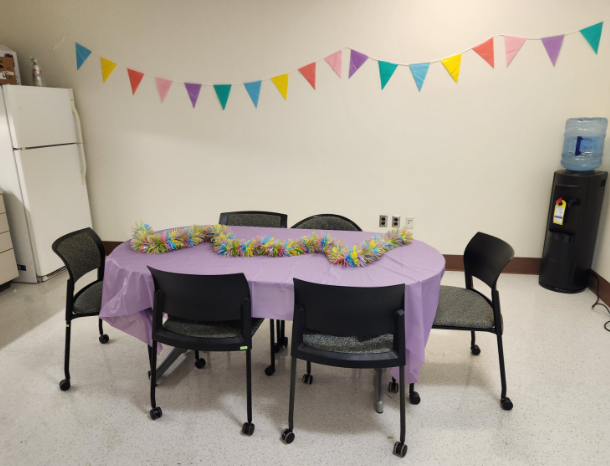
- Business Office Hoteling Space Breakroom – The addition of the breakroom allows for those in the Business Office to enjoy a lunch space when onsite.
- Fellows Room – The space refresh will include new ergonomic workstations. This project will mirror the successful implementation of the Residents Room this past year
Welcome, Poppy Coe!
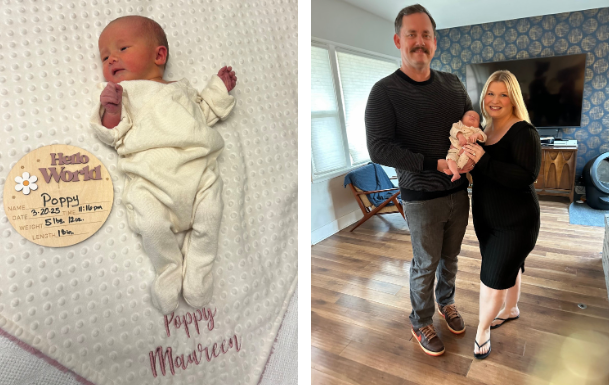
You may have noticed you have not seen Lindy Coe, Facilities and Operations and Pathology Administrative Services Manager for Pathology & Laboratory Medicine, on site recently. This is because Lindy has embraced a new and profoundly special project: motherhood. We are thrilled to share that Lindy and her husband, Garth, welcomed their beautiful daughter, Poppy Maureen Coe, into the world on March 20th—two weeks ahead of schedule, eager to meet her loving family.
Lindy has been a cornerstone of our operations, guiding her teams with dedication and expertise. From overseeing vital Facilities projects to deftly managing unforeseen faculty needs, her contributions have been nothing short of exceptional.
Please join me in extending heartfelt congratulations to Lindy and Garth as they embark on this joyous new chapter with baby Poppy.
April 2025 - Lab Week
The American Society for Clinical Pathology (ASCP) Medical Laboratory Professionals or Lab Week, will be observed April 20-26, 2025 – ASCP has selected a Scooby-Doo theme this year. Lab Week is an annual celebration of medical laboratory professionals and pathologists who play a vital role in health care and patient advocacy. I would like to feature our Labs and Lab Professionals to highlight the important work they do for our department, patients, and community. Our department will be hosting daily activities throughout Lab Week. Additional emails will be sent regarding participation in the below activities. A special thank you to Heidi Martinez, Maya Rivers, and the One Lab Committee for arranging the department activities!
UCLA Clinical Microbiology Laboratory – Brentwood
The UCLA Clinical Microbiology Laboratory offers comprehensive testing for detection, isolation, characterization and susceptibility testing of infectious agents. We utilize rapid direction detection methods where possible for optimal patient care, including immunologic and nucleic acid based assays. The serology section also performs testing for selected autoimmune disorders. The laboratory has long been a leader among academic centers. We serve as a reference center for a number of proficiency testing surveys, and maintain one of the longest running ABMM accredited Clinical Microbiology Postdoctoral Training Programs in the country.
Bruin University Reference Laboratory (BURL)
Founded in 2013, the Bruin University Reference Laboratory (BURL) was established to provide laboratory testing services specifically for UCLA Health ambulatory clinics. Since its inception, BURL has significantly expanded its reach, now serving over 300 clinics from Atascadero along the coast to Irvine. The lab operates ten draw stations and offers daily phlebotomy services to the California Rehabilitation Institute. With an impressive workload, BURL performs between 15,000 and 16,000 tests daily.
Key accomplishments this year include:
- Validated new instrumentation for CBC testing, updated Sysmex instruments, and implemented new middleware-Caresphere.
- Enhanced staffing at draw stations: staffing levels were reviewed, data analyzed, and justifications approved, leading to the hiring of additional staff and a notable increase in overall patient satisfaction.
- Optimized lab layout by relocating electrophoresis, hematology, and allergy instrumentation to accommodate a second TLA storage unit.
- Added technical leadership with the hire of two new technical supervisors, ensuring CLS supervisor coverage from 6:00 AM to 2:30 AM, Monday through Friday.
Client Services
The Pathology and Laboratory Medicine Client Services Team acts as the primary contact for laboratory-related inquiries and concerns from ambulatory and outreach physicians, clinic staff, and patients. They handle issues related to sample collection, proactively reaching out to offices to resolve problems and gather missing information. Additionally, the team supports faculty by managing test requests and ensuring the prompt delivery of slides and specimens. They also oversee specimen routing and coordinate all courier services. Utilizing Epic’s Client Response Module, they track and address client issues, facilitating the resolution of recurring concerns.
Center for Health Sciences (CHS)
Anatomic Pathology (AP) is a vital part of the study and treatment of disease, and is a vast field comprised of decedent pathology, surgical pathology, cytopathology, neuropathology and ophthalmic pathology. Surgical pathology is closely affiliated with the clinical and surgical departments as well as all the surgical specialties, internal medicine, dermatology, neurology, radiology, radiation therapy, and medical oncology. Surgical pathology is the basis for diagnosis either intra-operatively or following surgery, and the surgical pathologist is called to advise the clinician about the correct diagnosis, appropriate therapy and prognosis. Our CHS building houses multiple AP Labs and teams, including Surgical Pathology, Bone Marrow and Flow Cytometry, Cytology, Histology, Immunohistochemistry (IHC), Molecular Diagnostics Laboratories (MDL), and the Electron Microscopy (EM) Lab.
This year’s accomplishments include:
- Bone Marrow and Flow Cytometry – 10-color/12-parameter platform go-live
- Molecular Diagnostics Laboratories (MDL) – New MDL tests live – BRAF IDYLLA Mutation Assay, IDH1/IDH2 IDYLLA mutation Assay, BCR-ABL Minor minimal residual disease (MRD) Assay, FLT3 TKD Mutation Assay, NPM1 Mutation Assay, New 221-gene Hematologic Malignancy DNA Sequencing Panel Test
- Immunohistochemistry (IHC) – Validated new tests: SSTR2A, OLIG2, MUC2, SF-1 and re-validated tests ER, PR, MSA, HCG, CD2
- Surgical Pathology – Merger of Outreach and hospital operations under Jennifer Filipek and Jessica Jones.
Flow Cytometry & Bone Marrow Labs 5S Project
The Flow Cytometry and Bone Marrow Laboratories successfully completed a comprehensive 5S project aimed at sorting, discarding, and properly filing patient slides accumulated over several years. This initiative was spearheaded by Ritchie (Ricky), who demonstrated remarkable dedication and meticulous attention to detail throughout the process. Ricky took great care to ensure that all patient slides were retained in strict accordance with the Standard Operating Procedures (SOPs), safeguarding critical laboratory records while optimizing storage efficiency. His commitment to this project was truly commendable, requiring a high level of diligence, organization, and focus to execute effectively. Through his efforts, the labs have not only improved workspace efficiency but also reinforced compliance with essential record-keeping protocols.
Cytogenetics is the study of the structure, function, and evolution of chromosomes. Chromosomal aberrations are hallmarks of different types of cancers and genetic conditions. The UCLA Cytogenetics Laboratory is a high-volume full-service operation, performing chromosomal studies for constitutional (prenatal and postnatal) and cancer (hematological neoplasms and solid tumors) indications on a variety of sample types such as, amniotic fluid, chorionic villus, blood, bone marrow, and tissue. The laboratory test menu has an extensive offering of FISH probes, karyotype studies, and chromosomal microarray analyses. The UCLA Cytogenetics Laboratory is also approved to perform cytogenetic testing for the California Prenatal Diagnosis Center and Children’s Oncology Group.
Cytogenetics
The Cytogenetics Laboratory introduced several new tests and completed a process improvement project in the past year.
New Tests and Process Improvement Projects
- Chromosomal microarray test for copy number and loss of heterozygosity detection in hematologic malignancies
- New FISH tests for AML subclassification
- NUP98 Rearrangements (11p15.4)
- DEK::NUP214 Fusions [t(6;9)]
- CBFB::MYH11 Fusions [inv(16)/t(16;16)]
- 1p deletion FFPE FISH for meningioma and adenoid cystic carcinoma
- Implemented workflow changes in accordance with new ACMG guidelines for hematopoietic and lymphoid tissue cytogenetic testing to enhance diagnostic accuracy, ensure compliance with best practices, and provide better patient care
Personnel
The Cytogenetics team includes technicians, licensed laboratory professionals, Clinical Cytogenetics Specialist (CCS) trainees, Laboratory Genetics and Genomics (LGG) fellows and ABMGG board certified laboratory directors. In 2024, Meggie Dinh (laboratory genetic counselor) joined the department and spends part of her time in Cytogenetics. She brings a new perspective to the lab and has already made valuable contributions as a liaison between the laboratory and clinical teams.
In addition to clinical work, Cytogenetics faculty and trainees actively participate in teaching, research, and committee service for local, national, and international organizations.
Spotlight on Faculty Workgroup and Committee Service
- American College of Medical Genetics and Genomics (ACMG) – Drs. Sue Kang, Fumin Lin and Niroshi Senaratne
- ArmGenia Project – Dr. Alden Huang
- California Prenatal Screening Program – Drs. Sue Kang and Niroshi Senaratne
- Cancer Genomics Consortium (CGC) – Dr. Niroshi Senaratne
- ClinGen – Dr. Sue Kang
- Genomics Organization for Academic Laboratories (GOAL) – Dr. Niroshi Senaratne
- Undiagnosed Diseases Network (UDN) – Dr. Alden Huang
UCLA Olympic Analytical Laboratory (OAL)
The UCLA Olympic Analytical Laboratory (OAL) is one of the world’s largest World Anti-Doping Agency (WADA) accredited sports drug-testing facilities. As one of the leading institutions in the field of athletic antidoping, OAL is one of two laboratories in the U.S. accredited by WADA. The laboratory analyzes an estimated 40,000 urine specimens per year for traces of banned substances intended to give athletes an unfair edge in competition. The lab performs drug testing for national and international sports organizations, including the National Collegiate Athletics Association (NCAA), National Football League (NFL), Major League Baseball (MLB), the United States Anti-Doping Agency (USADA) and has provided testing services for major sporting events such as the 1994 World Soccer Cup and three Olympic Games.
UCLA OAL has been a leader in research activities directed toward enhancing methods to detect doping in sports. UCLA OAL has contributed to the findings of techniques and substances that currently influence the fight against doping in sports:
- In 1990, UCLA OAL and others conducted research that resulted in the development of a gas chromatography-combustion-isotope ratio mass spectrometry (IRMS) method to detect exogenous testosterone administration. Adaptations of this technique are currently utilized to detect a variety of steroids in urine specimens.
- In 2000, the laboratory identified trace-contamination of an over-the-counter supplement with an anabolic steroid and demonstrated the amount present could result in positive urine test results.
- In 2002, the laboratory identified norbolethone, a steroid that had never been marketed, in an athlete’s urine.
- In 2004, the laboratory published its findings regarding the isolation of tetrahydrogestrinone (THG), a steroid previously unknown in literature.
- In 2009, the laboratory became one of the first among WADA-laboratories to transition to high-throughput testing utilizing 96-well plate format demonstrating that such an approach remained both robust and highly sensitive.
- In 2018, the laboratory published findings on low-dose ethanol administration effect on the urinary testosterone to epitestosterone ratio by GC-MS/MS as well as urine reference intervals for human chorionic gonadotrophin utilizing a LC-MS/MS based approach.
- In 2019, the laboratory published its findings on the urinary concentration of the AMPK-activator AICAR in an athlete population as well as the utility of isotopically labeled boldenone as a quality control marker for efficiency of chemical derivative formation.
- In 2021, the laboratory published methodology allowing assessment of urinary cobalt by LC-MS/MS technology available in house to all WADA-accredited laboratories where previously such analysis required ICP-MS.
- In 2022, the laboratory presented posters at the 40th Cologne Workshop on Doping Analysis regarding the potential ramifications of metal-sensitive analytes in doping control as well as the detection of testosterone and androstenedione in serum by LC-HRMS.
- In 2023, the laboratory published its findings concerning first time detection of the unapproved selective androgen receptor modulator YK-11 in an athlete’s urine and joined in publishing results concerning the detection of capromorelin after oral or dermal administration.
- In 2024, the laboratory contributed to a published study on the long-term excretion of Roxadustat in urine and shared in presentation of several posters at the 42nd Cologne Workshop on Doping Analysis on topics including athlete exposure to pet medications, carbon isotope ration testing of AICAR-derived ribose and steroid formate derivatives.
In 2025, the laboratory presented three posters at the 43rd Cologne Workshop on Doping Analysis studying the performance of 2D HPLC for cleanup of steroid targets after selective formylation, the development of a novel combustion interface employing a capillary-in-capillary design for IRMS analysis, and the identification of in vitro metabolites of the exercise mimetic SLU-PP-332 ERRα/β/γ receptor agonist for use in doping control. The laboratory also collaborated with USADA and the Swiss Laboratory for Doping Analysis on work presented at the Workshop regarding management of Dorzolamide adverse analytical findings.
Ronald Reagan University Medical Center
The UCLA Clinical Laboratory at Ronald Reagan UCLA Medical Center is a hub of precision and care, delivering top-tier diagnostic testing services to patients across Westwood, Santa Monica, and a network of affiliated outpatient clinics and physician offices. Whether serving inpatients or outpatients, our expert phlebotomy teams provide seamless, compassionate care—offering services at both hospital locations as well as convenient outpatient sites in the Westwood 100 and 200 Medical Plaza Buildings. Our talented and knowledgeable team of more than 350 individuals ensure quality testing in blood bank, blood gases, chemistry, coagulation, hematology, microbiology, serology, toxicology, and urinalysis. Beyond traditional laboratory testing, we oversee point-of-care testing for inpatient and hospital-based outpatient settings, ensuring rapid and reliable results at the bedside. For specialized tests beyond our in-house capabilities, we partner with carefully selected referral laboratories to maintain the highest standards of accuracy and excellence.
Committed to advancing high-quality patient care, our laboratory actively supports stewardship and quality initiatives, as well as clinical research, playing a vital role in pioneering innovations that shape the future of patient care at UCLA Health and beyond. With licensure from the State of California, prestigious accreditation from the College of American Pathologists (CAP), and CLIA certification across all testing locations, we uphold the highest standards of quality, compliance, and patient care.
Notable Projects and Achievements in 2024
- Total Laboratory Automation (TLA) Implementation – Introduced advanced robotic systems, automated analyzers, and integrated software solutions to streamline laboratory workflows. This enhancement has significantly improved efficiency, minimized human error, optimized turnaround times, and maximized productivity in clinical diagnostics.
- Facility Enhancements – Remodeled the 200 Medical Plaza Laboratory waiting room to create a more welcoming environment for patients awaiting phlebotomy services. Additionally, expanded operating hours at 100 Medical Plaza Laboratory to 6:00 AM – 6:00 PM for greater patient accessibility.
- Instrumentation and Test Menu Expansion – Added new diagnostic instrumentation (Architect i1000 for Tacrolimus, Cyclosporine, Sirolimus; Rotem Sigmas for point of care viscoelastic testing) and new tests (prolactin and ethyl glycol) to broaden laboratory capabilities and enhance patient care.
- Implementation of Intercept Fibrinogen Complex (IFC) – Introduced a new blood bank product, IFC, as a pre-thawed, pathogen-reduced alternative to cryoprecipitate for the treatment of massively bleeding pregnant and postpartum patients, improving patient outcomes.
- Advancements in Blood Bank Procedures – Established new protocols for the care of patients with sickle cell disease, contributing to UCLA's designation as a Sickle Cell Center of Excellence.
- Transfusion Medicine Dashboard Integration – Developed and implemented a Transfusion Medicine Dashboard in CareConnect, providing providers with clear, summarized Blood Bank information to enhance decision-making and patient management.
Blood & Platelet Center
Notable Projects and Achievements in 2024
- Enhancement of Enhanced Blood Center Analytics - the Blood and Platelet Center implemented more advanced blood center analytics in Tableau, providing valuable insights into donor recruitment, collections, and manufacturing operations. These data-driven tools have improved efficiency and strategic decision-making across our operations at the blood center.
- Big 10 Blood Drive - Additionally, we successfully hosted the first annual Big 10 Blood Drive with Abbott at UCLA competing against other Big 10 Universities. This effort helped to expand our impact and reinforcing the importance of community-driven blood donation efforts from UCLA supporters nationwide.
Expansion of Service Excellence Program at the Blood and Platelet Center – We implemented our new blood donor, blood drive contact and campus recruitment surveys. This allowed the blood center to maximize the connection to our customers and help improve the blood donor experience at our donation centers and mobile blood drives by collecting information from our donors, campus partners and blood drive partners in the greater Los Angeles area.
Santa Monica Clinical Laboratory
Santa Monica Clinical Laboratory is comprised of the inpatient clinical lab and the outpatient draw station. Our outpatient draw station offers world-class laboratory services with outstanding customer care. Our services include onsite blood draw, specimen collection, and specimen drop-offs. Our draw station serviced 47,909 patients in 2024! The inpatient clinical lab provides a wide range of laboratory services with advanced technologies that aid clinicians in diagnosing, treating, and monitoring diseases.
We offer our staff a unique opportunity to gain valuable experience across multiple areas of the lab. Our pre-analytical staff are highly skilled in phlebotomy, specimen processing, and operating and maintaining our Total Lab Automation (TLA) line. Our Clinical Lab Scientists are equipped with comprehensive laboratory knowledge by rotating through different sections of the lab, including Blood Bank, Hematology, Chemistry, Coagulation, Urinalysis, limited Microbiology, Point-of-Care, and Intra-operative PTH testing. We commit to delivering high-quality patient care through all phases of laboratory testing, from pre-analytical to analytical and post-analytical, by constantly improving the way we deliver our services.
Some notable accomplishments in 2024 include:
- Preanalytical
- New Phlebotomy area in SM ED – improving patient and staff safety during blood collection and the collection turnaround time.
- New and renovated registration areas for Outpatient draw station to enhance patient privacy.
- Point-of-Care Testing
- Implementation of new analyzer for Intra-Operative PTH testing – a new technology, more reliable and stable instrument, eliminate the manual sample processing.
- Implementation of Activated Clotting Time (ACT+) assay to Point-of-Care Testing in Interventional Radiology for a new procedure Hepzato.
- Implementation of Blood Gas analyzer in the ICU – providing fast test results aided in assessing the respiratory function and acid-base balance in critical care situations.
- Blood Bank
- Introduced Pathogen Reduced Cryoprecipitate in Blood Bank for Labor and Delivery Tier 3 Patients – faster issuing process for cryoprecipitate and reducing wastage.
- Implemented a hard stop at specimen receipt in Beaker for Blood Bank specimens that are missing collector information – minimizing delay in Blood Bank testing.
- Validated new platelet incubator and new Blood Bank label printers.
- Updated Tier Massive Transfusion Protocol – better conveying the purpose of each Tier and to better align ordering practice with clinical practice.
- Hematology
- Validation of an alternative microtainer tube for Pediatric Hematology testing – maintaining the quality and reliability of hematology testing during primary tube shortage.
- Validation of iSED Elite Sedimentation Rate analyzers in Hematology – improving the accuracy and efficiency of sedimentation rate testing with quicker turnaround time.
- Validation of Group A Strep PCR test – enhancing sensitivity, eliminating manual processing and interpretation, improving accuracy with faster turnaround time.
- Chemistry
- Added Patient FYI flags for pseudohyperkalemia patients requiring specific tubes draws in CareConnect – reducing unnecessary patient sticks from blood collection.
- Upgraded to new versions of Urine Benzodiazepine, AST, and ALT reagent – improved test sensitivity and freed up reagent slots on the analyzers.
- Quality Assurance
- Implemented the “Information” specimen labels – reduced about 30-40 test cancelations monthly.
- Completed the lab-specific business continuity plan - providing the necessary information and resources to continue lab services during unplanned disruptions.
- Successfully completing CAP inspection with no deficiency.
UCLA Immunogenetics Center
The UCLA Immunogenetics Center (UIC) provides state of the art Histocompatibility and Immunogenetics testing for solid organ and stem cell transplantation, pre and post transplant immune assessment and testing for diagnosis of diseases with associations to the Human Leukocyte Antigens. As one of the first established laboratories in Histocompatibility and Immunogenetics, we continue to advance the field through research, clinical innovation, proficiency testing and educational training UIC provides customized testing and support services for clinical trials and clinical research to monitor response to experimental therapy.
West Valley Medical Center
UCLA Health’s leading-edge patient experience is now available in West Hills for residents of the San Fernando Valley. The UCLA Department of Pathology and Laboratory Medicine assists the West Valley Medical Center (WVMC) health professionals and patients in making optimal decisions based on the latest diagnostic studies, using state-of-the-art instrumentation.
Dr. Irene Riahi will be serving as the Medical Director for West Valley Medical Center, starting April 14th, 2025. She will be providing anatomic pathology services as well as leading laboratory medicine activities at WVMC.
March 2025 - Research Updates
Research Core Updates
Technology Center for Genomics & Bioinformatics (TCGB)
The Technology Center for Genomics & Bioinformatics (TCGB) is a fully automated, high-throughput genomic Center equipped with all major next generation sequencing. TCGB provides state-of-the-art genomics technologies, comprehensive services, specialized expertise and a wide range of trainings, enabling these services in a cost-effective and timely manner to serve basic science and translational/clinical research. In addition, TCGB provides pre-experiment consultation and post-experiment support, including preparation of grant applications, publications, and strategic planning for additional research steps. TCGB also provides educational training to faculty, staff, and students to raise awareness of new directions and major discoveries in the areas of genomics and bioinformatics.
PPMS Implementation Update: Streamlining Operations for the UCLA Sequencing Core
Technology Center for Genomics & Bioinformatics (TCGB) successfully deployed PPMS on November 18, 2024, marking a significant step in modernizing operational workflows. PPMS, a web-based scheduling and service management platform, is now in use across the sequencing cores with collaboration from BSCRC, UNGC, and the TCGB staff. Currently, we are focused on streamlining processes within the system to ensure an optimal user experience and enhance overall efficiency. This includes refining workflows and addressing feedback from core users. Ongoing efforts aim to fully integrate PPMS into daily operations and financial billing, ultimately improving transparency and ease of use for all stakeholders.
DGSOM & UCLA Health Marketing Highlight TCGB
WorldWise Productions, in partner with the DGSOM and UCLA Health Marketing, captured footage of the exciting research and innovation happening TCGB. At the request of Dr. Paul Boutros, Interim Vice Dean for Research, DGSOM, the production team spent an entire day filming with the TCGB team.
Immune Assessment Core (IAC) Updates
The Immune Assessment Core (IAC) is a CLIA certified laboratory providing comprehensive immunological testing services for basic, clinical, and translational studies. The IAC provides both standardized and customized multi-parameter flow cytometry, multiplexed immunoassays, ultra-sensitive immunoassay technology (Simoa Quanterix), and cellular immune function assays to evaluate the innate and adaptive immune status of study subjects. The Core uses high-throughput technologies to maximize data output using small sample volumes. We work closely with our clients to assist with data analysis and interpretation to maximize knowledge gained.
Quickplex MSD: Multiplex and Ultra sensitive detection via Electrochemiluminescence
- High binding carbon electrodes in the bottom of MULTI-ARRAY and MULTI-SPOT microplates allow for easy attachment of biological reagents (10X greater binding capacity than polystyrene).
- MSD assays use electrochemiluminescent labels that are conjugated to detection antibodies. The labels are called SULFO-TAG and allow for ultra-sensitive detection.
Electricity is applied to the plate electrodes by an MSD instrument leading to light emission by SULFO-TAG labels. Light intensity is then measured to quantify analytes in the sample.
• MULTI-SPOT plates, which offer arrays within the well for increased throughput and assay multiplexing with up to 10 spots per well.
UCLA-STAR PROGRAM
The Department continues to take an active role in training outstanding pathologist-scientists. In association with the UCLA-STAR program, we have created a training pathway tailored to the unique needs of pathologist-scientists.
Dr. Ting Zhang, MD, PhD, entered this pathway in 2020 as an AP resident and is currently a Neuropathology fellow, having completed her AP training in June 2023. She will join the department as a STAR Fellow as of July 2025. During her residency, she conducted research under the mentorship of Drs. Daniel Geschwind, Harry Vinters, and Shino Magaki in the Neuropathology section. Her work applied spatial transcriptomics and proteomics profiling to multiple regions of postmortem brains from COVID-19 patients, revealing a low presence of viral mRNA, but a disproportionately high brain-wide molecular response. She also identified mitochondrial and synaptic defects in deep-layer excitatory neurons, with significant overlap in pathways implicated in neurodegenerative diseases, including Alzheimer’s disease. This research led to a first-author publication.
Building on these findings, Dr. Zhang is now applying single-cell spatial multi-omics to study COVID-19 and neurodegenerative diseases during her dedicated research phase as a STAR fellow. This work will provide essential practical experience and mentorship as she develops an independent research program.
Translational Research Fund (TRF)
The purpose of the Translational Research Fund (TRF) is to help prepare and support UCLA Faculty-initiated research with particular focus on translational projects. TRF funding is also intended to foster greater involvement by UCLA pathology residents and fellows in research projects.
Congratulations to our November 2024 Submission Recipients!
Congratulations Dr. Yuna Kang and Dr. Heather Ross (PGY-2) on receiving a Translational Research Fund Grant for their project their project "p53 Immunohistochemical Expression and TP53 Mutation Status as Prognostic Markers for Lichen Sclerosus."
Congratulations to Dr. Rebecca Sosa & Dr. Mario Pulido (UIC Fellow) on receiving a Translational Research Fund Grant for their project "Assessing strategies for safe transplantation of disadvantaged and highly sensitized female HLA-B46 homozygous kidney candidates."
Congratulations to Dr. Sheeja Pullarkat and Dr. Ruoji Zhou (PGY-2) on receiving a Translational Research Fund Grant for their project "Lymphoid Enhancer Binding Factor 1 (LEF1) Expression in B-cell Lymphomas and its Application during Routine Workup of B-cell lymphomas."
Congratulations to Dr. Ting Zhang (Neuropath Fellow) and Dr. Fausto Rodriguez on receiving a Translational Research Fund Grant for their project "Using direct tissue gene expression (nCounter) analysis to understand the molecular pathogenesis of high-grade astrocytoma with piloid features(HGAP), a new WHO diagnostic entity."
Congratulations to Dr. Rebecca Sosa & Dr. Yuxin Yin (UIC Fellow) on receiving a Translational Research Fund Grant for their project "Virtual desensitization for highly sensitized patients waiting for thoracic organ transplant."
Congratulations to Drs. Dipti Sajed, Israa Laklouk, & Cody Forsyth (PGY-1) on receiving a Translational Research Fund Grant for their project "The Role of the Infectious Organisms in the Development and Progression of Oral Tongue Cancer in Non-Smokers and Non-Drinkers Patients."
Congratulations to Drs. Daniel Stefanko, Gregory Fishbein, and Chao Chen (PGY-2) on receiving a Translational Research Fund Grant for their project "Tumor Microenvironment in Metastatic Lung Typical Carcinoid Tumors."
Congratulations to Drs. Ting Zhang, Harry Vinters, and Daniel Geschwind on receiving a Translational Research Fund Grant for their project "Single cell spatial transcriptomic characterization of molecular alteration in Alzheimer’s disease."
Congratulations to Drs. Jitin Makker, Irene Riahi (GI/Liver Fellow), Tara Narasimhalu (GI/Liver Fellow), & Tiffany Yin (GI/Liver Fellow) on receiving a Translational Research Fund Grant for their project "Detection of Low-Grade Dysplasia in Barrett’s esophagus in Hematoxylin and Eosin (H&E) Stained Images Using AI Models."
February 2025 - Allied Health Training Programs
Allied Health Training Programs
The Department of Pathology & Laboratory Medicine offers and/or participates in multiple Allied Health training programs. Depending on the specific program, we offer both independent training at UCLA, or act as a rotation site for practical clinical experiences for students enrolled in degree programs elsewhere. Staff are essential members of our successful health care team, and we are proud to help train the next generation of Lab Scientists, Phlebotomists, Cytologists and Pathologist Assistants! Our allied health students work closely with our staff, residents, fellows and faculty during their time at UCLA Pathology. For more information, please visit our dedicated website.
We also offer experiences for local high school students and recent high school graduates who participate in the Turner UCLA Allied Health Internship. This Internship exposes students to allied health careers throughout the hospital.
Clinical Cytogeneticist Scientist Program
The California Cytogenetics Training Program at UCLA continues to excel as a premier platform for advancing the field of clinical cytogenetics. Designed to cultivate the next generation of California Licensed Clinical Cytogenetics Specialists (CCS), the 52 week program combines didactic training with a rigorous hands-on laboratory experience, ensuring graduates are well-prepared to contribute to cutting-edge diagnostics and research.
This year, we are proud to have two enthusiastic trainees (left to right), Karamat and Jake, enrolled in the program. Both bring exceptional dedication and energy to their training and are on track to graduate in June 2025. Their progress underscores the program’s commitment to fostering excellence and innovation.
Key Highlights of the Program include:
- Comprehensive curriculum covering karyotyping, FISH analysis, and molecular cytogenetics
- Collaborative opportunities with renowned faculty and interdisciplinary teams at UCLA
- A robust focus on mentorship and career development to prepare trainees for leadership roles in the field
The program remains committed to addressing the growing demand for skilled cytogenetics professionals by continuing to expand training opportunities and enhance its curriculum.
Clinical Genetic Molecular Biologist Scientist (CGMBS) Program
The molecular Diagnostics Laboratories (MDL) Clinical Genetics Molecular Biologist Scientist (CGMBS) program is a 1-year training program approved by the California Department of Public Health (CDPH) for licensed molecular laboratory scientists. Since 2013, MDL has trained numerous CGMBSs for hospital clinical laboratories, commercial reference laboratories, and research and development for biotech companies. The training program includes up-to-date educational lectures as well as extensive hands-on experiences in the following molecular diagnostics assays and technologies:
- Nucleic Acid Isolation and Quantification
- Polymerase Chain Reaction (PCR) and Gel Electrophoresis
- Real Time PCR
- Sanger Sequencing
- Fragment Analysis
- Next Generation Sequencing (NGS) Library Preparation and Sequencing Chromosomal Microarray Analysis (CMA)
- Single Gene Mutation Analysis
Learn More About the Clinical Genetic Molecular Biologist Scientist (CGMBS) Program
Clinical Immunohematology (Blood Banking) Scientist Program
The primary goal of this one year program is to train qualified individuals for eligibility and licensure as Clinical Immunohematology Scientists by the State of California. Qualified individuals who successfully complete this program will be prepared for written examination in this limited license specialty as administered by the American Society for Clinical Pathology and eligible for limited licensure as a Clinical Scientist by the State of California.
The program will include both laboratory and didactic training in high complexity testing including ABO/Rh testing, unexpected antibody detection, compatibility testing, antibody identification and routine problem solving, as well as blood donor selection, blood collection and processing, blood component preparation for storage and administration, and the quality control of blood bank equipment and reagents.
Training Update
Congratulations to Veronica on her incredible achievement! On August 30th, 2024 , Veronica graduated from the prestigious Clinical Immunohematology (Blood Banking) Scientist Program and obtained her Clinical Immunohematology Scientist License – a testament to her hard work and dedication. We are thrilled to celebrate her next milestone: joining the blood bank team in a dayshift Clinical Laboratory Scientist weekend position.
Veronica's journey is marked by her unwavering commitment to excellence, her outstanding work ethic, and her meticulous attention to detail. These qualities, coupled with her deep dedication to patient care, set her apart as a true professional in the field of immunohematology. Her contributions will undoubtedly make a significant impact on the lives of many, as she brings both compassion and precision to her role.
Clinical Laboratory Scientist Program
UCLA Pathology is proud to partner with Cal State Dominguez Hills (CSDH) to offer clinical training for students in their post-baccalaureate Clinical Lab Scientist (CLS) training program. Each year, we accept 8 students who spend 1 year in our labs; their experience in our labs is supplemented by didactic lectures from CSDH and self-study materials. As the Class of 2025 progresses through the program, the 8 students continue to deepen their understanding of the complex theoretical concepts that form the foundation of clinical laboratory science. Their clinical rotations across various laboratory departments reveal a growing ability to grasp intricate material and apply it practically. These students are not only meeting expectations but actively engaging with the material to enhance their comprehension. They consistently demonstrate strong retention of knowledge and an aptitude for applying it in real-world scenarios.
In addition to their academic and practical training, the students also make time to connect with their trainers and colleagues, gaining invaluable insights into the real-world work environment. This experience gives them the opportunity to witness the dynamics of the profession, enhancing their education and reinforcing their preparedness for the future.
With graduation set for June 26, 2025, the CLS Class of 2025 will soon be ready to embark on their professional careers, equipped with the knowledge and skills needed to succeed in the field.
Learn More About The Clinical Laboratory Scientist Program
Clinical Microbiologist Scientist Program
The Limited License Training Programs at UCLA Health offer aspiring Clinical Microbiologist Scientists a comprehensive path to licensure in California. Under the jurisdiction of the Clinical Laboratories, these programs are part of the Allied Health Training Programs, providing a well-rounded education led by experienced faculty.
Approved by the California Department of Health Services, the program combines hands-on laboratory experience with in-depth didactic lectures, all designed to prepare trainees for the written examination required for licensure by the American Society for Clinical Pathology (ASCP) and the State of California.
Trainees rotate through various key microbiology departments, including Bacteriology, Mycobacteriology, Mycology, Parasitology, Virology, and more, over the course of 52 weeks. Throughout, they gain crucial skills in laboratory testing, troubleshooting, and interpreting results. Regular evaluations and exams ensure that students meet a high standard of competency.
As Clinical Laboratory Technologist Apprentices, trainees benefit from full employment status with UCLA Health, including comprehensive benefits. With a focus on merit-based selection and equal opportunity, the program offers an excellent foundation for those seeking a career in clinical microbiology.
School of Cytology
Phlebotomy Technician Program
Pathologists’ Assistants Program
A pathologists’ assistant is a highly trained, certified allied health professional who is qualified by academic and practical training to provide various services in anatomic pathology under the direction and supervision of a licensed, board-certified, or board-eligible anatomic pathologist. Pathologists’ assistants work in hospitals, pathology labs, forensic labs, and morgues.
Pathologists’ Assistants perform accurate and timely processing of a variety of laboratory specimens, comprehensive macroscopic examinations, evaluating all surgical pathological specimens, and Research and training pathology residents, pathologists’ assistant students, and other pathology lab personnel.
Pathologists’ Assistants also perform postmortem examinations including prosection, assisting the pathologist with rendering the provisional anatomic diagnosis, composing the clinical history, recording the macroscopic anatomic findings, and submitting tissue sections for microscopic examination.
Pathologists’ Assistants play a critical role in the delivery of healthcare services in both surgical and autopsy pathology. They are key partners in assisting the Pathologist to arrive at a pathologic diagnosis, but it is the sole responsibility of the Pathologist to render a diagnosis.
Our staff provides clinical training to second year Pathologists’ Assistant students who have completed their didactic training at a National Accrediting Agency for Clinical Laboratory Sciences (NAACLS) program by exposing them to a variety of laboratory specimens, ranging from simple biopsies to complex resections. During their clinical training, the Pathologists’ Assistant students learn how to evaluate and process all surgical pathological specimens, perform intraoperative specimen analyses (frozen sections), biorepository banking, and autopsies.
Individuals interested in becoming a pathologists’ assistant should take advantage of math and science courses in high school, to prepare for college courses in these subjects. Higher education requirements for a pathologists’ assistant include:
- Bachelor’s degree in one of the life sciences, i.e. biology, chemistry
- Pathologists’ assistant program (a two-year program that results in a master’s degree)
Olympic Analytical Laboratory Updates
The UCLA Olympic Analytical Laboratory (OAL) is one of the world’s largest World Anti-Doping Agency (WADA) accredited sports drug-testing facilities. As one of the leading institutions in the field of athletic antidoping, OAL is one of two laboratories in the U.S. accredited by WADA. The laboratory analyzes an estimated 40,000 urine specimens per year for traces of banned substances intended to give athletes an unfair edge in competition. The lab performs drug testing for national and international sports organizations, including the National Collegiate Athletics Association (NCAA), National Football League (NFL), Major League Baseball (MLB), the United States Anti-Doping Agency (USADA) and has provided testing services for major sporting events such as the 1994 World Soccer Cup and three Olympic Games.
UCLA OAL has been a leader in research activities directed toward enhancing methods to detect doping in sports. UCLA OAL has contributed to the findings of techniques and substances that currently influence the fight against doping in sports:
- In 1990, UCLA OAL and others conducted research that resulted in the development of a gas chromatography-combustion-isotope ratio mass spectrometry (IRMS) method to detect exogenous testosterone administration. Adaptations of this technique are currently utilized to detect a variety of steroids in urine specimens.
- In 2000, the laboratory identified trace-contamination of an over-the-counter supplement with an anabolic steroid and demonstrated the amount present could result in positive urine test results.
- In 2002, the laboratory identified norbolethone, a steroid that had never been marketed, in an athlete’s urine.
- In 2004, the laboratory published its findings regarding the isolation of tetrahydrogestrinone (THG), a steroid previously unknown in literature.
- In 2009, the laboratory became one of the first among WADA-laboratories to transition to high-throughput testing utilizing 96-well plate format demonstrating that such an approach remained both robust and highly-sensitive.
- In 2018, the laboratory published findings on low-dose ethanol administration effect on the urinary testosterone to epitestosterone ratio by GC-MS/MS as well as urine reference intervals for human chorionic gonadotrophin utilizing a LC-MS/MS based approach.
- In 2019, the laboratory published its findings on the urinary concentration of the AMPK-activator AICAR in an athlete population as well as the utility of isotopically labeled boldenone as a quality control marker for efficiency of chemical derivative formation.
- In 2021, the laboratory published methodology allowing assessment of urinary cobalt by LC-MS/MS technology available in house to all WADA-accredited laboratories where previously such analysis required ICP-MS.
- In 2022, the laboratory presented posters at the 40th Cologne Workshop on Doping Analysis regarding the potential ramifications of metal-sensitive analytes in doping control as well as the detection of testosterone and androstenedione in serum by LC-HRMS.
- In 2023, the laboratory published its findings concerning first time detection of the unapproved selective androgen receptor modulator YK-11 in an athlete’s urine and joined in publishing results concerning the detection of capromorelin after oral or dermal administration.
- In 2024, the laboratory contributed to a published study on the long-term excretion of Roxadustat in urine and shared in presentation of several posters at the 42nd Cologne Workshop on Doping Analysis on topics including athlete exposure to pet medications, carbon isotope ration testing of AICAR-derived ribose and steroid formate derivatives.
UCLA Immunogenetics Center Updates
Clinical
- The laboratory has promoted CLS Aide to take over the evening CLS Supervisor position!
- The CLS trainee program was also re-instituted and the first candidate in the program, Min, has successfully passed her examination to obtain her license.
- A new Faculty member, Dr. Olga Timofeeva, has joined the team. She brings a wealth of knowledge in the Immunogenetics and Histocompatibility field.
- Two new instruments are currently being validated. One is the HLA Pro, provided by One Lambda (Thermo Fisher) and will be used to perform our Single Antigen Antibody testing and the other is the Janus from Revvity which will be used to implement automated aliquoting.
- The laboratory has been planning a construction project for the breakroom and restrooms for the past two years and the work is finally underway!
- A large initiative has been underway to reorganize the lab spaces and to make them more ergonomic. The lab benches have been gradually replaced with height adjustable desks and a 5S system is going to be used to create more organization and efficiency in the workspaces
Reference
- The UCLA Cell Exchange program just celebrated its 50th year this year.
- The Cell Exchange and DNA Exchange programs are in the process of being added as CAP-approved programs for providing Proficiency Testing services to HLA labs both domestically and internationally.
Quality
- An Information Systems Analyst, Tyler, was hired at the end of 2023 and has driven home numerous IT projects with the help from Director Dr. Michelle Hickey. One of these major initiatives was to upgrade our Lab Information System and to enhance functionality to improve clinical workflows.
- IT projects have also been underway to add test orders to CareConnect that were previously performed outside of this platform and billed manually.
New Partnership
In October 2023, UIC on boarded Sharp Transplant Center in San Diego, UIC’s third-largest partner. This resulted in an 11% increase in the number of waitlist candidates they manage. Significant achievements included the establishment of two additional clinical pathways (kidney and heart), and ongoing collaboration and education. The collaborative efforts between the UIC and Sharp were recognized with a Center of Recognized Excellence Award from the Sharp Healthcare System. The award was in recognition of the collaborative efforts between Sharp and UCLA, detailing the significant progress made, particularly for our patients with CPRA ≥90%. The outcome was a 20% increase in transplantation for this group compared to the previous year. Other significant efforts were recognized, including the development of a laboratory data conversion process, the establishment of clinical pathways, and ongoing collaboration and education.
Operational Changes
The Organ Procurement Organization changed its model to support organ allocation to patients based on a Virtual Crossmatch vs a Physical Crossmatch. This new workflow resulted in a roughly 50% increase in Virtual Crossmatches for the laboratory. This new model reduces the turnaround time for test results, making it more efficient for reducing cold ischemia time to improve organ allocation
Publications, Abstracts, & Grants
Publications
- Meghan H Pearl, Lucia Chen, Jonathan E Zuckerman, Patricia L Weng, Eileen T Chambers, Qiuheng Zhang, Elaine F Reed. Non-HLA Antibodies to G Protein-coupled Receptors in Pediatric Kidney Transplant Recipients: Short- and Long-term Clinical Outcomes. Transplantation 2024. PMID: 37527494.
- Qiuheng Zhang, Arlene F Locke, Andrea Carolina Alvarez, Maria Cabarong, Lek Ching Liv, Belen Alfaro, David Gjertson, Elaine F. Reed. Advancing Precision in Histocompatibility and Immunogenetics: A Comprehensive Review of the UCLA Exchange Program. Frontiers in Genetics. January 2024. PMID: 38362203.
- Yuxin Yin, NweNwe Soe, Wen Xiao, Elaine F. Reed, Qiuheng Zhang. HLA-DPB1 Genotype Variants Predict DP Molecule Cell Surface Expression and DP DSA Binding Capacity. Frontiers in Immunology. Front. Immunol. 2024. DOI: 10.3389/fimmu. PMID: 1328533.
Chapter
- Timofeeva, O.A. and Rosen-Bronson, S. (2024). Human Leukocyte Antigen Antibodies. In Manual of Molecular and Clinical Laboratory Immunology (eds J.L. Schmitz, B. Detrick, and M.R.G. O'Gorman). https://doi.org/10.1002/9781683674023.ch113.
Manuscript
- Mary Carmelle Philogene, Olga A. Timofeeva, Idoia Gimferrer, Reut Hod-Dvorai. Assessment of Inter-Laboratory Variability for Flow Cytometric Crossmatch Testing: Lessons Learned from Proficiency Surveys. Human Immunology, Volume 86, Issue 1, 2025, 111176, ISSN 0198-8859. https://doi.org/10.1016/j.humimm.2024.111176.
Events
- Dr. Elaine Reed chaired, and Drs. Rebecca Sosa and Carrie Butler presented, at the Women in Transplantation session during the American Society of Histocompatibility & Immunogenetics (ASHI) annual meeting. Their talk, titled "Beyond the X and Y: A Collaborative Integration of Sex Differences in Transplant Research," explored proposed solutions to address the challenges faced by a group of highly sensitized Asian women currently disadvantaged under the existing kidney allocation system.
- Drs. Reed, Butler, Hickey, and Sosa contributed a published book chapter on non-HLA antibodies in the Manual of Molecular and Clinical Laboratory Immunology, 9th Edition.
Service
Dr. Olga Timofeeva has recently taken on the role of Senior Co-Chair for the American Society of Histocompatibility and Immunogenetics Quality Assurance and Standards Committee for the 2024–2025 term.