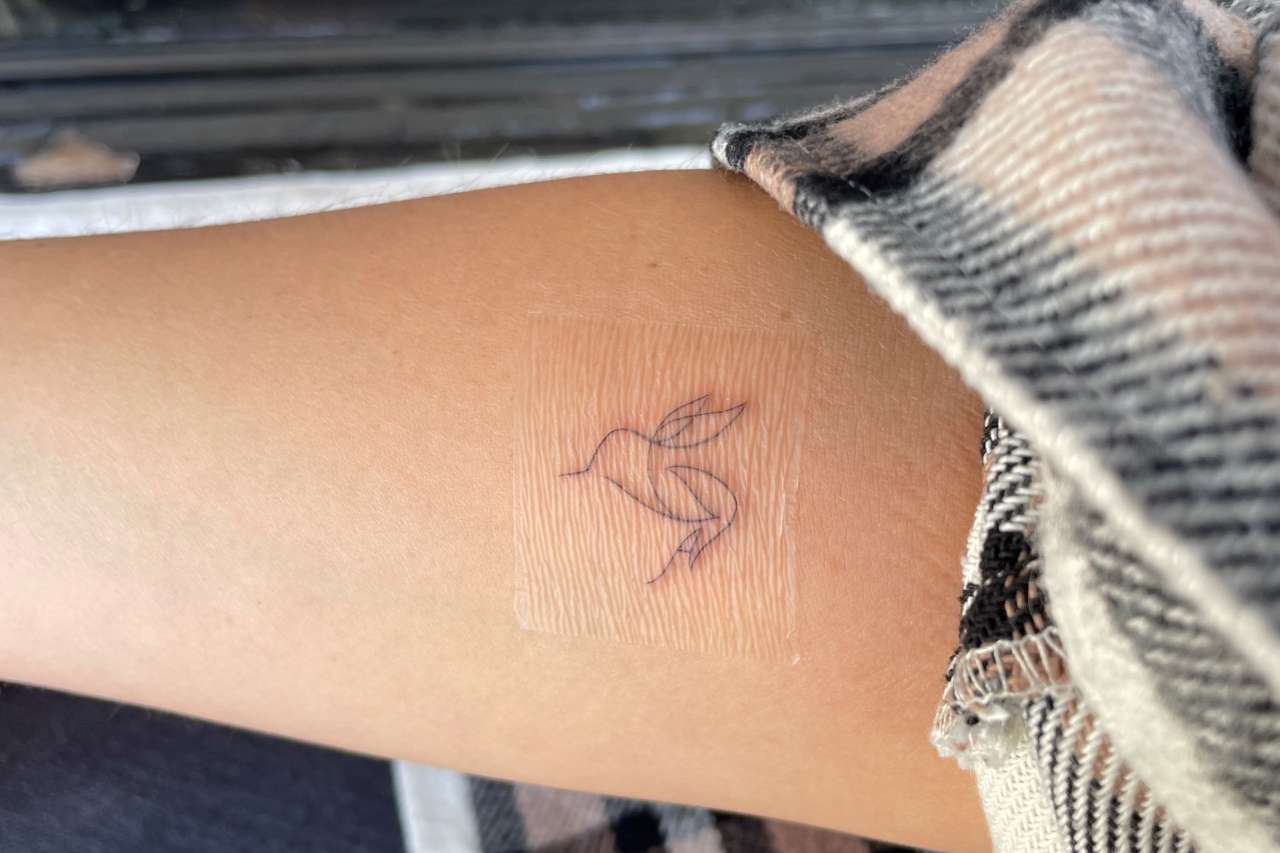
Lauren Rose has a small tattoo of a hummingbird in flight on her right arm, a constant reminder of her son Austin, who was stillborn at 38 weeks.
In bird lore, hummingbirds are said to be a loved one dropping in to say hello or sending healing comfort.
Much like Austin, she says, “you see them for a short time, and then they’re gone.”
About one in 175 pregnancies in the U.S. end in stillbirth, according to the Centers for Disease Control and Prevention. Like many women who’ve experienced stillbirth or a neonatal loss, Rose wanted to have another child right away. And, like many women, she wasn’t able to find a maternity care system that could provide the emotional and clinical support she needed to go through another pregnancy.
Until now.
UCLA Health recently launched the Pregnancy After Loss (PAL) Clinic, offering “loss moms” a multidisciplinary, compassionate and trauma-informed approach to ensure they receive personalized, state-of-the-art medical care and emotional support throughout the pregnancy and beyond.
Spearheaded by Carla Janzen, MD, PhD, a maternal fetal medicine specialist at UCLA Health and the clinic director, the PAL Clinic at UCLA Health is among the first U.S. hospitals to join the US Pregnancy After Loss Network, which aims to improve care in pregnancy after loss – including patient experience, mental health outcomes and birth outcomes.
The clinic helps fill the gap in care for women with high-risk pregnancies due to prior stillbirth or other adverse outcomes.
“I believe that it aligns with our Maternal Fetal Medicine mission to support women going into pregnancy with medical and psychosocial risk factors,” Dr. Janzen says. “Women who have had a stillbirth are at higher risk of experiencing that again, as well as other things that might have played in, such as having a low-birth-weight baby, having placental insufficiency or preeclampsia, and so many of the related adverse pregnancy outcomes that can happen.”
Supportive setting
Based on the work of professor Alex Heazell, director of the Rainbow Clinics in the United Kingdom, PAL’s multidisciplinary approach is focused on providing medical and psychosocial care through maternal fetal medicine specialists, therapists, psychiatrists, social workers and peer support counselors.
Patients receive frequent ultrasounds for reassurance on fetal well-being and placental health and personalized visits that emphasize compassion and empathy.
“I feel like what is key here is slowing down,” Dr. Janzen says. “So coming into a clinic where the front desk, the medical assistant, the sonographer and the physician understand how triggering it is (for these women) to have an ultrasound, and to take a breath with them and have a peer supporter in the clinic who understands because they’ve been through it.”
Women who have had a loss during pregnancy often experience high adrenaline, panic attacks, nightmares and guilt, believing something they did caused the loss, she explains. The clinic aims to reduce retraumatizing the patient, with just one of the risks being to have them repeat their story to multiple care providers.
Dr. Janzen notes that often, pregnant mothers are so grateful to get through the first trimester – when they are at higher risk for miscarriage – that they don’t take into consideration other biological occurrences that could lead to risk in pregnancy.
“The thing that is so difficult is that more than half the time, we don’t have an explanation of why they had a kicking, live fetus at seven or eight months and then the heart stopped. … It’s very hard to go through the pregnancy often not knowing or having an explanation,” she says.
Devastating loss
Rose remembers falling into a deep depression after losing Austin, and there were days she didn’t want to get out of bed.
“There was a lot of blaming myself as well, a lot of trying to pinpoint when something may have gone wrong,” says Rose, who up until her 38th week, when her OB/GYN told her there was no longer a heartbeat, was sailing through a pregnancy that was “textbook perfect.”
Rose says she and her husband, Ben, noticed the wispy image of a hummingbird in one of Austin’s early ultrasounds.
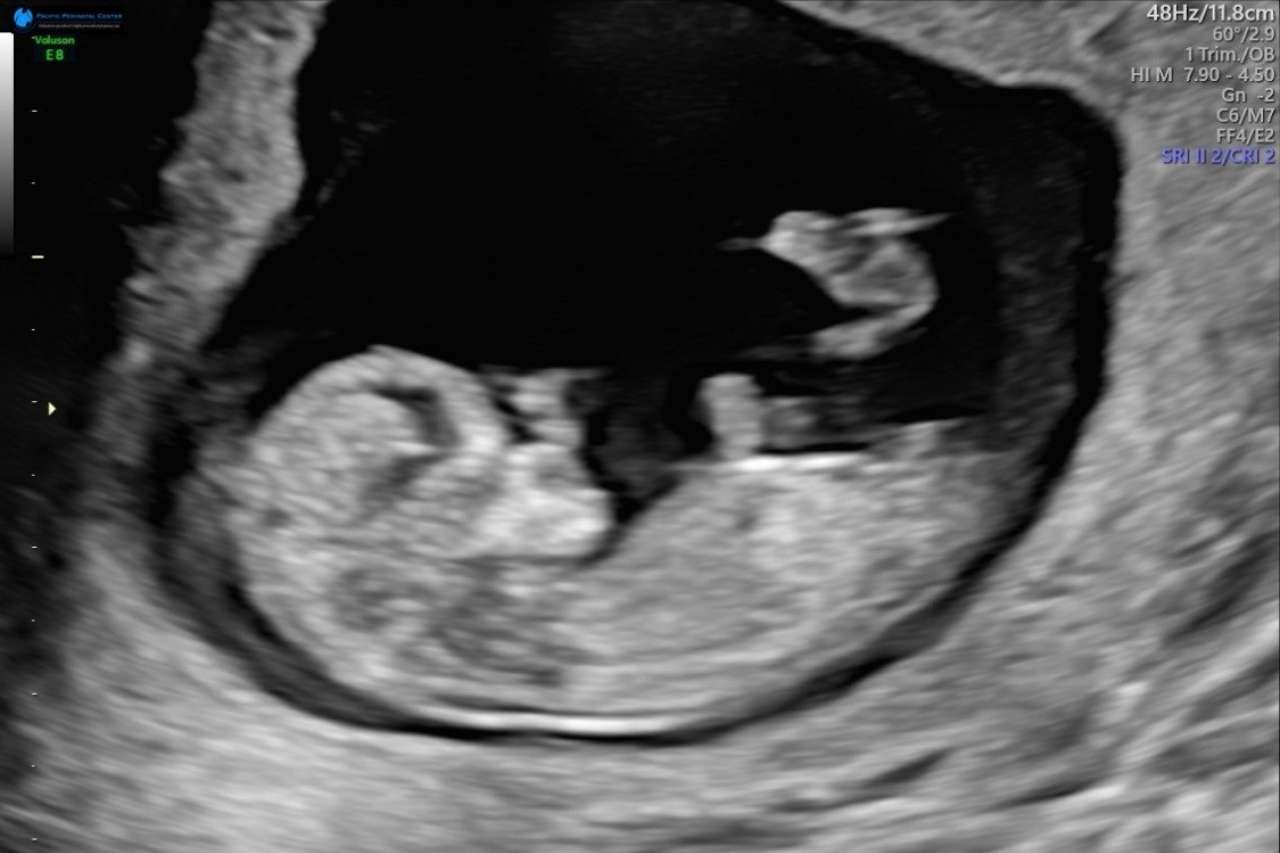
“After losing Austin, we realized that this was his way of connecting with us when he was gone,” she said. “We see hummingbirds nearly every day.”
Austin was delivered by cesarean section on March 3, 2023, and the couple was able to hold their son for about 30 minutes.
“Nobody told us that we could have seen Austin longer, or we could have seen him again,” Rose said. “I think a lot of the doctors and nurses were trying to be really delicate with us rather than giving us helpful information.”
Looking back, Rose says she wishes there had been a bereavement adviser at the hospital and someone to answer their questions and provide follow-up once they went home. An event planner by profession, she used her organizational skills to create a document about the experience, what the couple would have liked to have seen happen, and how hospitals could improve.
The list would one day prove to be invaluable to the Pregnancy After Loss Clinic.
Serendipitous connection
On her doctor’s advice, Rose and her husband waited a year before becoming pregnant again. Sadly, that pregnancy and a subsequent one ended in miscarriage. With both pregnancies, she remembers being very anxious. There were times, she says, when she would message her doctor.
“I had a lot of questions around everything that had to do with pregnancy,” she says. “I was really craving a little bit more of that handholding.”
Rose had heard of the Rainbow Clinics and their personalized care plans for loss moms. Around the same time she reached out to the headquarters in the UK for information on clinics in the U.S., Dr. Janzen was making plans to open the PAL clinic at UCLA Health. Rose was put in touch with Dr. Janzen through the US Pregnancy After Loss Network, and she made a note to connect when she became pregnant again.
Soon after, Rose became pregnant a fourth time and made an appointment with Dr. Janzen.
The difference, she says, was like night and day.
“She read my charts and she had questions for us,” Rose says. “She was very empathetic and used Austin’s name and had that delicacy of understanding, like how going into our fourth pregnancy we needed that extra support. And she never made us feel like we were crazy for asking a question.”
Dr. Janzen says she, too, benefitted from the relationship, and has used the list Rose and her husband compiled on what loss parents need from their care providers as guidelines for training the staff.
“It was so helpful for us because she was able to describe social workers who didn’t understand or pathologists who didn’t know how to describe what an autopsy would be,” Dr. Janzen says. “The patients themselves grow us because they’re willing to share their experiences and make sure that things are improved for people behind them, which is so inspiring.”
Austin’s legacy
Noah Rose was born Sept. 8, 2025, a healthy, happy baby boy.
“As soon as we heard his cry, my husband and I just started crying,” his mom says. “I immediately wanted to hold him and love on him. He's amazing.”
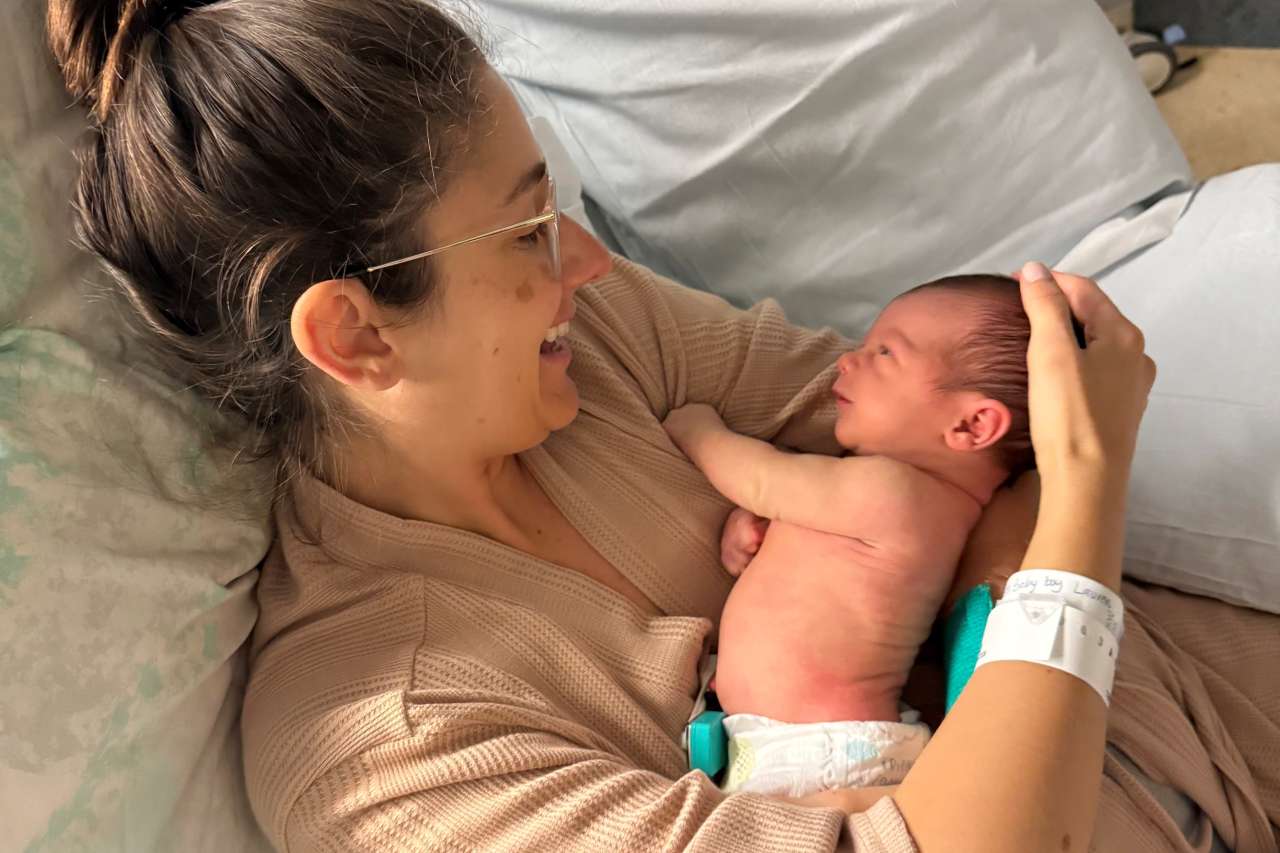
Lauren Rose and her husband often comment on the features Noah shares with his older brother. They keep Austin’s spirit alive through photos taken after his birth, through hummingbirds darting in and out of their lives, and through Rose’s passionate advocacy for loss moms.
She plans to become one of PAL’s first peer supporters – to share her experiences, hold hands – whatever is needed, she says.
“I’m so excited that the Pregnancy After Loss Clinic is coming to life,” Rose says. “I just can’t wait to see how I can be involved, and I’m excited to spread the word.”