
Research
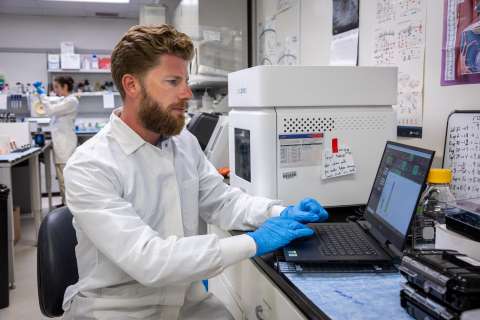
The UCLA Department of Nuclear Medicine and Theranostics operates a robust research program which includes high-impact clinical, translational and foundational research. Our goal is to integrate molecular imaging and theranostics to drive major advancements in cancer diagnostics and therapeutics with the goal of improving patient care and outcomes for residents of Los Angeles County and beyond.
Clinical Research and Trials
UCLA Department of Nuclear Medicine and Theranostics faculty lead prospective clinical trials with the goal of expanding treatment options and improving outcomes for patients.
Our Theranostics Clinical Research Program evaluates the safety and efficacy of novel theranostics-based imaging techniques and therapies, bringing innovative treatments to UCLA Health patients. Ongoing clinical trials include those investigating novel radiotracers and targeted therapies for prostate cancer and brain cancer.
PET Imaging and Therapeutic Targeting of PSMA
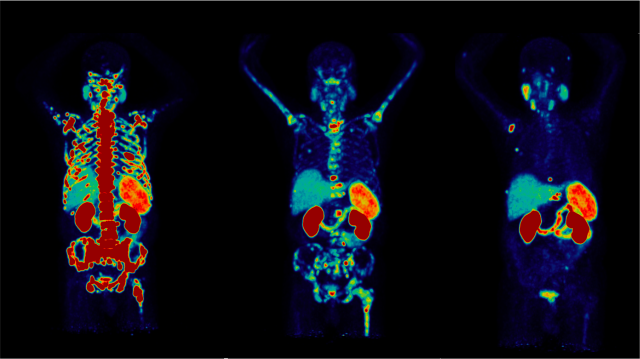
Together with the University of California, San Francisco (UCSF), we introduced prostate-specific membrane antigen (PSMA) PET/CT imaging in the United States, an approach which has changed the landscape of prostate cancer imaging for the better. This technique is now widely available across the country.
Building upon this success, our team completed the first Phase II clinical trial (RESIST-PC) to investigate the safety and efficacy of 177Lu-PSMA-617 for prostate cancer therapy, and were key contributors to the Phase III clinical trial (VISION). The FDA subsequently approved 177Lu-PSMA-617 (Pluvicto) for the treatment of PSMA-positive prostate cancer.
Foundational and Translational Research
The UCLA Department of Nuclear Medicine and Theranostics oversees an extensive foundational and translational research program. Investigators study the biological mechanisms underpinning cancer response and resistance to therapy, create innovative pre-clinical models of disease for research, and develop novel theranostic probes for cancer imaging and treatment. Learn more about our Foundational and Translational Research.
Biomedical Cyclotron
Led by Shaojun Zhu, MS, the UCLA Ahmanson Biomedical Cyclotron Facility is an FDA-registered PET radiopharmaceutical manufacturer. The facility operates a GE PETrace 800 cyclotron and provides radiopharmaceuticals for targeted cancer imaging, as well as for basic and translational research conducted at UCLA.
Contributions to the Field
Our program has a rich history of major scientific contributions to cancer research and patient care. Examples include:
PET imaging
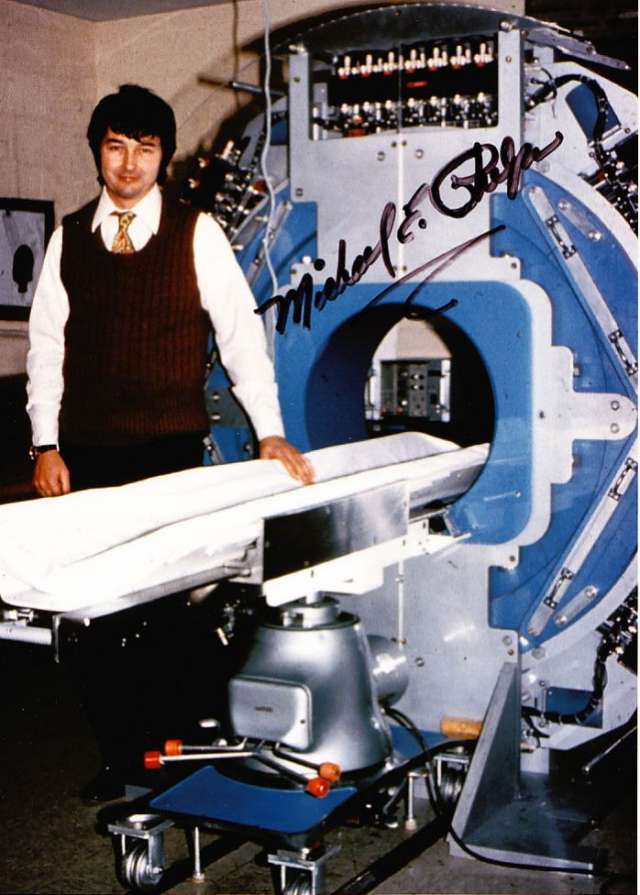
Dr. Michael E. Phelps (former faculty) and Dr. Edward Hoffman created the first PET scanner and spearheaded its migration to industry. Dr. Phelps and Dr. Johannes Czernin established the first clinical PET and PET/CT centers in the United States.
In vivo molecular imaging
Dr. Arion Chatziioannou and Dr. Simon Cherry created the first small-animal PET, PET/CT, and PET/MRI systems, expanding the field of in vivo molecular imaging.
Theranostics
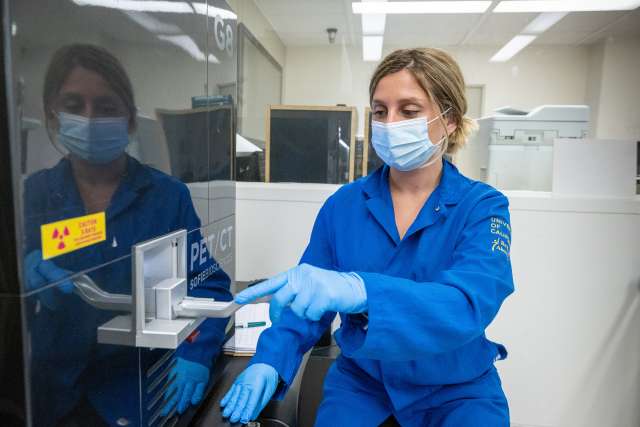
Dr. Jeremie Calais and Dr. Johannes Czernin played pivotal roles in establishing the safety and efficacy of theranostics agents for the imaging and treatment of prostate cancer in the United States. These theranostic approaches are now FDA-approved and included in the prostate cancer guidelines of the National Comprehensive Cancer Network.
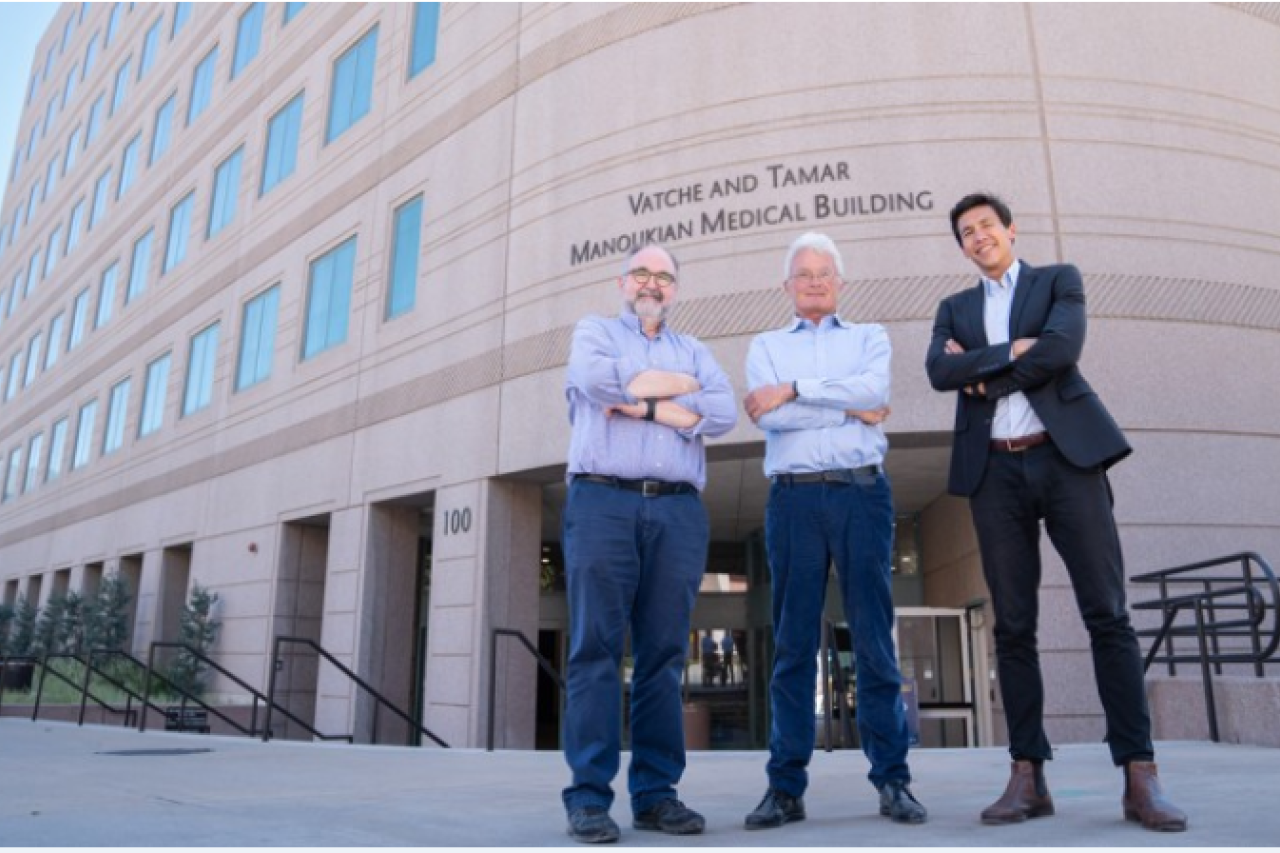
Clinical Research Team
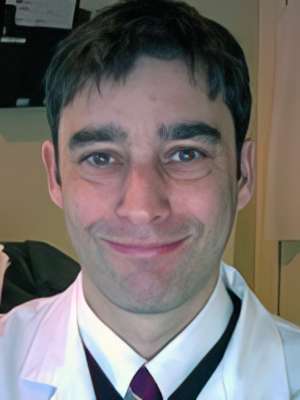
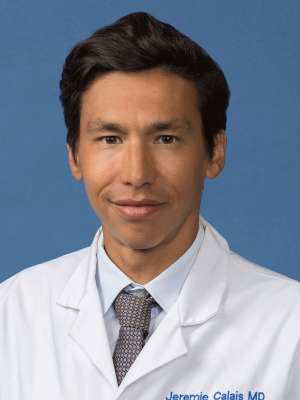
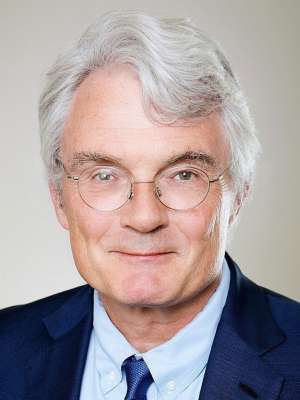




Foundational and Translational Research Faculty





Contact Us
Call 310-794-1005 to connect with a UCLA Health nuclear medicine expert.