
Team Members (M-Z)
Alexander Monto, MD - Digestive Diseases
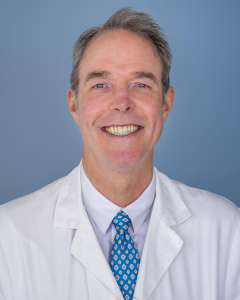
Clinical Chief, GI Section, VA Greater Los Angeles Health Care System
Professor of Medicine
David Geffen School of Medicine at UCLA
Dr. Monto has served as clinical chief of the Gastroenterology Section at the VA Greater Los Angeles Health Care System for the past year, after previously spending twenty-three years as a faculty member at UC San Francisco, based at the San Francisco Veterans Affairs Medical Center. He maintains an active clinical practice in both gastroenterology and hepatology. At the San Francisco VA, he led hepatology, including liver clinics, inpatient consults and research. His research interests included the progression of liver disease from hepatitis C and clinical trials of direct-acting antiviral therapies for hepatitis C. He had a key role in developing national VA hepatitis C initiatives which resulted in over 90% of VA hepatitis patients being cured by 2021. His work, supported by the National Institutes of Health, VA, and industry grants, now focuses on alcohol-associated liver disease, fatty liver disease, new liver disease therapies, and hepatocellular carcinoma. He has also received numerous awards for his teaching and mentorship of medical students and other trainees. Dr. Monto earned his medical degree from Columbia University College of Physicians and Surgeons, completed his residency in internal medicine at Columbia Presbyterian Medical Center and Massachusetts General Hospital. He completed gastroenterology fellowship at UCSF. He is a professor of medicine at the David Geffen School of Medicine at UCLA.
Alexander H. Nguyen, MD, PhD - Hepatology
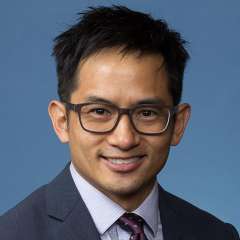
Assistant Professor-in-Residence
Vatche and Tamar Manoukian Division of Digestive Diseases
David Geffen School of Medicine at UCLA
Dr. Nguyen earned his bachelor’s degree in molecular and cell biology from the University of California, Berkeley. He earned his medical degree from Weill Cornell Medical College and doctoral degree from The Rockefeller University through the Tri-Institutional MD-PhD Program. His doctoral research investigated the metabolic mechanisms driving colorectal cancer metastasis using large-scale functional genomic screening and xenograft models. He completed his internal medicine residency and gastroenterology fellowship at UCLA, where he conducted postdoctoral research on liver lipid metabolism. His fellowship research was supported by the UCLA Specialty Training and Advanced Research (STAR) program and an NIH T32 GI training grant.
In 2023, Dr. Nguyen joined the faculty at the UCLA Vatche and Tamar Manoukian Division of Digestive Diseases. His research focuses on characterizing the regulation of liver lipid metabolism to advance the diagnosis and treatment of steatotic liver disease. His contributions as a physician-scientist have been recognized with an ASCI Emerging Generation Award, an AGA Research Scholar Award, and an NIH K08 Clinical Investigator Award. Dr. Nguyen is board certified in internal medicine and gastroenterology. Nguyen Lab
Paivi E. Pajukanta, MD, PhD - Human Genetics
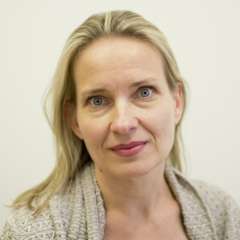
Professor of Human Genetics
Diller-von Furstenberg Family Endowed Chair in Precision Clinical Genomics
Vice Chair, Department of Human Genetics
Director, Cardiometabolic Genomics, Institute for Precision Health
Director, Genetics and Genomics PhD Program
David Geffen School of Medicine at UCLA
Dr. Pajukanta's research group is identifying biological mechanisms of DNA variants and genes involved in complex cardiovascular and metabolic disorders using integrative genomics approaches. Her research aims to discover gene-environment interactions and context-specific transcriptional and epigenomic effects contributing to cardiometabolic disorders in Mexicans and Europeans by integrating transcriptomics, epigenomics, and genomics data with deep clinical and histology-based phenotype and electronic medical record data. Dr. Pajukanta is especially interested in single cell RNA-sequencing studies of metabolic tissues to decompose cell-type proportions and cell-type specific expression of genes and their connections to cardiometabolic traits; as well as in genomic studies of the admixed Mexican population that has been underrepresented in genomic studies despite their high predisposition to obesity, type 2 diabetes, dyslipidemias, fatty liver disease, and other cardiometabolic disorders. Dr. Pajukanta has served as a principal investigator in several NIH R01 grants and as a project leader of an NIH PPG grant. She has trained multiple undergraduate, graduate, and postdoctoral students; taught graduate level courses; and served as a problem-based learning tutor of medical students. She is also the director of the genetics and genomics home area of graduate education at UCLA; the vice chair in the Department of Human Genetics at UCLA; and the director of cardiometabolic genomics at the Institute for Precision Health at UCLA. Dr. Pajukanta Profile
Arpan A. Patel, MD, PhD - Transplant Hepatology; Health Services
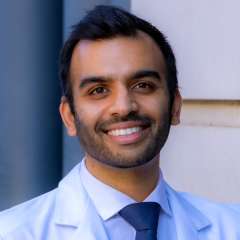
Assistant Clinical Professor of Medicine
Vatche and Tamar Manoukian Division of Digestive Diseases
David Geffen School of Medicine at UCLA
Dr. Patel earned his bachelor of science at Pennsylvania State University and received his medical degree from Jefferson Medical College, where he graduated summa cum laude and was awarded membership in Alpha Omega Alpha (AOA) and the Gold Humanism Honor Society (GHHS). He completed his internship and residency at the Hospital of the University of Pennsylvania before beginning his fellowship training at the Vatche and Tamar Manoukian Division of Digestive Diseases at UCLA in 2014.
During fellowship, Dr. Patel joined the UCLA Specialty Training and Advanced Research (STAR) and the NRSA (National Research Service Award) T32 Primary Care Research Fellowship programs through the Department of Medicine. This support allowed him to complete a PhD in health policy and management through the Fielding School of Public Health at UCLA in 2020. Dr. Patel joined the faculty at the UCLA Vatche and Tamar Manoukian Division of Digestive Diseases as assistant clinical professor of medicine.
Dr. Patel’s research focuses on describing, measuring and improving the quality of palliative care delivered to patients with serious liver-related illnesses, as well as its effect on their caregivers. He has particular interests in improving communication regarding goals of care, caregiver burden, symptom management and end of life care. He also has a secondary interest in improving the delivery of alcohol use disorder care for patients with alcohol-associated liver disease. His sources of research funding include the American Association for the Study of Liver Diseases, Veterans Health Administration, National Palliative Care Research Consortium, National Institute of Alcohol Abuse and Alcoholism, National Center for Advancing Translational Sciences, and National Institute of Minority and Health Disparities. Dr. Patel’s research has been published in a number of journals, including JAMA Internal Medicine, Annals of Internal Medicine, Hepatology, Clinical Gastroenterology and Hepatology, Gastroenterology, Liver Transplantation, Journal of Pain and Symptom Management, and Digestive Diseases and Sciences. He currently serves as vice chair of the Public Health and Healthcare Delivery Special Interest Group in AASLD. Patel Lab
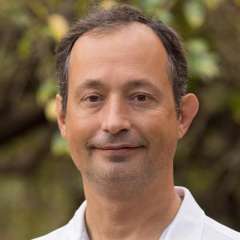
Matteo Pellegrini, PhD - Molecular, Cell & Developmental Biology
Professor
Department of Molecular, Cell and Developmental Biology
UCLA College of Life Sciences
Dr. Pellegrini is a biophysicist who has served on the UCLA Life Sciences Division faculty since he joined the Department of Molecular, Cell and Developmental Biology in 2005. Dr. Pellegrini earned his BA in physics at Columbia University and his PhD in physics at Stanford. He was a postdoctoral fellow at UCLA, where he worked on computational biology. Following his postdoctoral studies, Dr. Pellegrini co-founded a start-up company and later worked for the pharmaceutical company, Merck, before returning to UCLA. His laboratory research centers on the development of novel computational approaches to analyze large-scale genomic data. The Pellegrini group was instrumental in the development of whole genome bisulfite sequencing to measure the methylation status of nearly every cytosine in the genome. His present focus is on data produced using the latest generation of high-throughput sequencers. Today the Pellegrini group is developing suites of tools for the analysis of high-throughput sequencing data such as methC-seq, RNA-seq, and scRNA-seq. These approaches have been used in many settings, including biomarker discovery. Matteo Pellegrini Lab
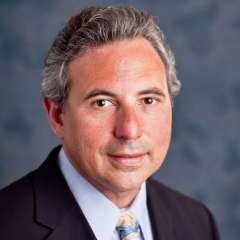
Joseph Pisegna, MD - Digestive Diseases
Chief, Division of Gastroenterology, Hepatology and Parenteral Nutrition
Veterans Administration Greater Los Angeles Healthcare System, Wadsworth VA
Professor-In-Residence of Medicine and Human Genetics
David Geffen School of Medicine at UCLA
Dr. Pisegna’s main research interest is the molecular pharmacology of hormones and receptors in the gastrointestinal tract. These research and clinical interests derive from research in the biochemistry and molecular physiology of neuroendocrine tumors as well as an understanding of the molecular interaction of peptide hormones and their receptors. His clinical efforts are currently focused on the management of gastric hypersecretory conditions, neuroendocrine tumors of the GI tract, and Zollinger Ellison Syndrome (ZES), medical conditions that derive from alterations in the expression of gastrointestinal hormones. Dr. Pisegna cloned the receptor for human cholecystokinin A (CCKA), the cholecystokinin B (CCKB or gastrin) receptor and the pituitary adenylate cyclase activating polypeptide (PACAP) receptor. He has previously demonstrated that PACAP is a potent stimulant of gastric acid secretion and is expressed on neurons innervating the stomach, on enterochromaffin-like cells (ECL) of the stomach expressing receptors for PACAP. Using mice lacking the PAC1 receptor, he has demonstrated that the mice develop a gastric acid hypersecretory condition resulting from hypergastrinemia. Recently his lab is focused on understanding the role of peptide hormones in the development of obesity, metabolic syndrome and NAFLD. Dr. Pisegna's research interests extend to understanding the molecular mechanisms involved in satiety and metabolic syndrome including the role of the gastrointestinal microbiome.
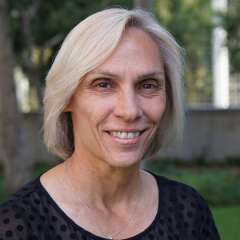
Karen Reue, PhD - Human Genetics
Professor and Vice Chair, Human Genetics
Associate Director, UCLA/Caltech Medical Scientist Training Program
David Geffen School of Medicine at UCLA
The Reue laboratory is interested in the identification of genes, pathways, and the role of sex in the development of traits underlying the Metabolic Syndrome, including obesity, dyslipidemia, and insulin resistance. Using genetic manipulation in mouse models, our findings have revealed independent roles for gonadal hormones and genetic sex (XX vs. XY chromosomes) in dietary lipid absorption, regulation of circulating lipid levels, development of adipose tissue, mitochondrial function, and statin-related diabetes. Laboratory of Karen Reue
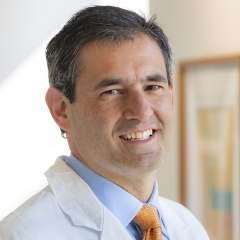
Sammy Saab, MD, MPH, AGAF, FACG, FAASLD - Transplant Hepatology
Medical Director, Pfleger Liver Institute
Medical Director, Adult Liver Transplant Program
Chief, Transplant Hepatology
Head, Outcomes Research in Hepatology
Professor of Medicine and Surgery
Adjunct Professor of Nursing
David Geffen School of Medicine at UCLA
Professor (Hon), California Northstate University College of Medicine
Associate Editor for Liver, Journal of Clinical Gastroenterology
Dr. Saab received his BS, MD and MPH degrees from UCLA. He completed his residency in internal medicine at the University of California at San Diego Medical Center and a fellowship in gastroenterology/hepatology at the UCLA Center for Health Sciences. Dr. Saab is board eligible in gastroenterology and internal medicine, and board certified in transplant hepatology. He has received honorary fellowships from the American Gastroenterology Association (AGAF), American College of Gastroenterology (FACG) and the American Association for the Study of Liver Diseases (FAASLD). Dr. Saab serves on many local, national and international committees. He is on board of directors for several liver-oriented foundations such as the American Liver Foundation, Liver Wellness Foundation and the Chronic Liver Disease Foundation. Dr. Saab has been an investigator in multiple clinical trials and is a frequently invited speaker worldwide. Dr. Saab originated and leads a popular annual patient education seminar and is co-chair of the Annual UCLA Liver Diseases Symposium for health care professionals. He has mentored many college and medical students, as well as medical residents and fellows in gastroenterology. Dr. Saab has published nearly 350 peer-reviewed manuscripts. He has authored numerous book chapters, editorials and abstracts. On the editorial board of over a dozen journals, Dr. Saab is the associate editor for the Journal of Clinical Gastroenterology, Digestive Medicine Research (DMR), and Journal of Clinical and Translational Hepatology. Dr. Saab Profile
Tamer Sallam, MD, PhD - Cardiology; Molecular & Integrative Physiology
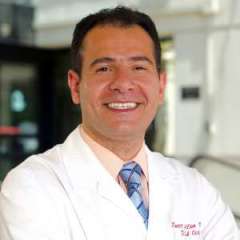
Vice Chair and Associate Professor
Division of Cardiology
Co-Director, UCLA Center for Cholesterol Management
Assistant Director, UCLA Specialty Training and Advanced Research (STAR) Program
David Geffen School of Medicine at UCLA Health Sciences
Dr. Sallam is a member of the Atherosclerosis Research Unit, Molecular Biology Institute (MBI), Molecular, Cellular and Integrative Physiology Program (MCIP), and Cardiovascular Theme Initiative at UCLA. Dr. Sallam graduated from the University of California, Irvine School of Medicine. He completed residency and chief residency training in Internal Medicine at Yale, followed by cardiology fellowship training at UCLA. Dr. Sallam graduated from the STAR program at UCLA earning a PhD in molecular, cellular and integrative physiology in the HHMI Lab of Peter Tontonoz. He joined the UCLA faculty after fellowship, where his research investigates the role of novel transcription factor regulatory circuits in cardiometabolic disease. In 2015, Dr. Sallam has been awarded the Lauren B. Leichtman and Arthur E. Levine Cardiovascular Discovery Fund investigatorship at UCLA. Dr. Sallam is the recipient of multiple independent NIH grants, American College of Cardiology Presidential Career Development Award, Burroughs Wellcome Fund Career Award for Medical Scientists, and American Society for Clinical Investigation Young Investigator Award. Laboratory of Tamer Sallam, MD, PhD
Claudio Scafoglio, MD, PhD - Pulmonary and Critical Care
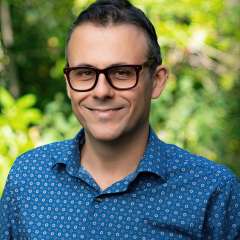
Dr. Scafoglio completed his MD and PhD degrees in oncology and immunology in Naples, Italy at the Seconda Universita’ degli Studi di Napoli. He received post-doctoral training at UC San Diego in molecular medicine focusing on molecular mechanisms of transcriptional and epigenetic regulation, and a second postdoctoral training at UCLA in oncological molecular imaging (an NIH-funded T32 program). At UCLA, he led projects investigating glucose uptake and utilization in cancer, resulting in publications in the Proceedings of the National Academy of Science (2015), Science Translational Medicine (2018), and Cancer Research (2024). In 2017, he joined the pulmonary and critical care medicine faculty for his studies on the role of glucose transporter SGLT2 as a diagnostic and therapeutic target in lung cancer. In 2025, he joined the UCLA Comprehensive Liver Research Center for his interest in 1) the efficacy of SGLT2 inhibitors as chemopreventive agents for hepatocellular carcinoma; 2) the role of nutritional alpha-ketoglutarate supplementation as a chemopreventive strategy for liver cancer; 3) the beneficial activity of oral alpha-ketoglutarate on liver inflammation and in prevention of liver steatosis. Dr. Scafoglio Profile
Alireza Sedarat, MD - Interventional Endoscopy
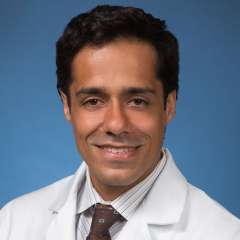
Health Sciences Associate Clinical Professor of Medicine
Vatche and Tamar Manoukian Division of Digestive Diseases
David Geffen School of Medicine at UCLA
Dr. Sedarat joined UCLA in 2013 as a member of the interventional endoscopy within the Vatche and Tamar Manoukian Division of Digestive Diseases. His clinical interests encompass the development and application of advanced endoscopic techniques and interventions to diagnose, stage, treat and palliate a range of benign and malignant gastrointestinal disorders. He is proficient in the application of advanced endoscopic techniques including therapeutic ERCP, EUS with fine needle aspiration and biopsy, ERCP in surgically altered anatomy, interventional EUS (such as biliary drainage or rendezvous procedures, pancreas pseudocyst drainage, pancreas necrosectomy, fiducial placement and abscess drainage), pancreatic and biliary endotherapy, endoluminal stenting, endoscopic mucosal resection (EMR), endoscopic submucosal dissection (ESD), complex polypectomy, tumor ablation, deep (device assisted) enteroscopy, endoscopic fistula and leak closure, complex stricture dilation and endotherapy, endoscopic treatment of Barrett’s esophagus with mucosal resection and radiofrequency ablation, endoscopic antireflux procedures, Zenkers’ diverticulum myotomy, endoscopic management of surgical complications, and chromoendoscopy. Dr. Sedarat also performs bariatric endoscopy, including primary endoscopic therapies for obesity, endoscopic treatment of weight regain following bariatric surgery, and treatment of post-surgical complications. He started the program at UCLA to offer the POEM procedure (peroral endoscopic myotomy) as treatment option for patients with achalasia and spastic disorders of the esophagus. His research interests include endoscopic device development and application as well as evaluation of existing and emerging endoscopic technologies with a focus on improving patient outcomes. He is interested in the application of the emerging fields of submucosal and transluminal endoscopy, including endoscopic submucosal dissection (ESD) for early tumor resection, POEM, and application of devices and techniques to treat gastrointestinal disorders that traditionally were managed surgically. Dr. Sedarat completed his residency in internal medicine at the University of Pennsylvania. He completed his fellowship in gastroenterology here at UCLA and returned to UPenn to complete an advanced endoscopy fellowship. He is board certified in gastroenterology and is a member of the American Society of Gastrointestinal Endoscopy. Dr. Sedarat Profile
Rajat Singh, MD, MBBS - Hepatology
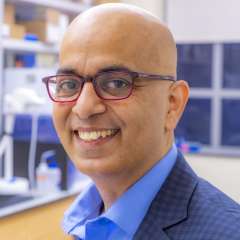
Director, Comprehensive Liver Research Center at UCLA
Professor of Medicine
Vatche and Tamar Manoukian Division of Digestive Diseases
David Geffen School of Medicine at UCLA
Dr. Singh earned his MBBS degree at the Medical College of the University of Calcutta in 2000, and his MD at PGIMER, Chandigarh, India in 2004. He joined the lab of Dr. Mark Czaja at the Marion Bessin Liver Research Center of the Albert Einstein College of Medicine to pursue postdoctoral training in basic liver research. In the course of his postdoctoral research (in collaboration with Dr. Ana Maria Cuervo), Dr. Singh discovered the process of lipophagy, a previously unknown way cells degrade fat stores. After successful postdoctoral training with first-author papers in high-impact journals such as Nature, Journal of Clinical Investigation, Hepatology, and the Journal of Biological Chemistry, and supported by a K award, Dr. Singh started his own lab at Albert Einstein in 2010. Since then, his lab has demonstrated novel roles of autophagy in the regulation of food intake (Cell Metabolism 2011 and EMBO reports 2012), energy metabolism (Cell Metabolism 2016), cell signaling (Nature Communications2013), and the circadian clock (Cell Metabolism 2018). The Singh Lab has also developed a novel feeding intervention that protects against fatty liver and type II diabetes in various mouse models of obesity and aging without the need to cut caloric intake (Cell Metabolism 2017). Dr. Singh is deeply invested in mentoring junior faculty and fellows within the Division on topics related to grant writing and lab management. The Singh Lab has been continually funded by R01 grants, P01s, as well as training grants to his students, including an F31 fellowship, T32 fellowships, and a K01. Current projects in the Singh Lab investigate novel integrative mechanisms including autophagy and mTOR signaling and regulation of liver and systemic metabolism in models of aging, obesity, MASH, and HCC. The Laboratory of Autophagy and Integrative Aging
Tara TeSlaa, PhD - Molecular & Medical Pharmacology
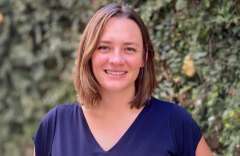
Assistant Professor, Department of Molecular and Medical Pharmacology
University of California Los Angeles
Dr. TeSlaa’s lab focuses on measuring metabolic fluxes and how they change during the development of disease. She received her PhD in molecular biology at UCLA where she studied the role that metabolism plays in the self-renewal and differentiation of human pluripotent stem cells. Her postdoctoral training was with Dr. Joshua Rabinowitz at Princeton University where she gained expertise in in vivo stable isotope tracing and metabolomics. Her postdoctoral work focused on understanding how different nutrients uniquely support organ specific metabolism including the finding that serine catabolism in the liver produces NADPH for de novo lipogenesis. In 2022, Dr. TeSlaa joined the faculty at UCLA and established her lab utilizing in vivo isotope tracing and mass spectrometry to gain a deeper understanding of how metabolism is altered in metabolic disease. One focus of the lab is understanding how liver metabolism is rewired during the development of metabolism-associated steatohepatitis. TeSlaa Lab
Peter Tontonoz, MD, PhD - Pathology & Laboratory Medicine
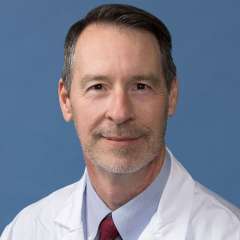
Distinguished Professor
Frances and Albert Piansky Chair
Department of Pathology and Laboratory Medicine
Department of Biological Chemistry
David Geffen School of Medicine at UCLA
Dr. Tontonoz received his BA from Wesleyan University and his MD and PhD from Harvard Medical School. Dr. Tontonoz’s laboratory endeavors to understand regulatory pathways that govern cholesterol, fatty acid and phospholipid metabolism. His work has helped to reveal fundamental mechanisms by which animals maintain cellular and whole-body lipid homeostasis. His group has elucidated pathways for the control of lipid uptake, transport and efflux, and has shown how these pathways impact the function of immune cells and metabolic tissues in both physiology and disease. Dr. Tontonoz is a member of the National Academy of Sciences, the National Academy of Medicine, the American Society of Clinical Investigation, and the Association of American Physicians. He has received a number of national awards, including the Stanley J. Korsmeyer Award from the American Society of Clinical Investigation, The ATVB Distinguished Achievement Award and Jeffrey Hoeg Award from the American Heart Association, and the Richard Weitzman Award and Gerald D. Aurbach Award from the Endocrine Society. Dr. Tontonoz serves on many editorial boards, including those of Genes & Development, eLife, and the Journal of Clinical Investigation. The Tontonoz Lab
Thomas A. Vallim, PhD - Medicine; Cardiology; Biological Chemistry
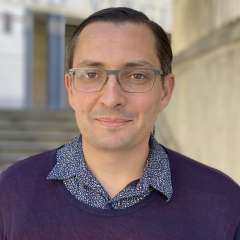
Professor
Department of Medicine, Division of Cardiology and Department of Biological Chemistry
David Geffen School of Medicine at UCLA
Dr. Vallim is a professor in the Departments of Medicine, Cardiology and Biological Chemistry at UCLA. He received his undergraduate degree in biochemistry and biological chemistry from the University of Nottingham in England, and his PhD in nutritional biochemistry also at the University of Nottingham. He then moved to complete his postdoc at UCLA on lipid metabolism and nuclear receptors. Dr. Vallim started his lab at UCLA in 2013, and his lab studies in how changes in lipid metabolism impact cardiometabolic disease, with a particular focus in the role of specialized lipids, such as bile acids, in the gut-liver axis affect normal liver physiology and disease. The Tarling-Vallim Lab
Claudio J. Villanueva, PhD - Integrative Biology & Physiology
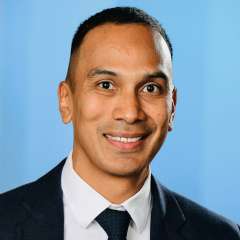
Associate Professor, Integrative Biology and Physiology
Member of the Metabolism Theme at UCLA
College of Life Sciences
Dr. Villanueva studies transcriptional pathways involved in nutrient sensing, gene expression, and lipid metabolism. His research aims to understand the role of the adipose tissue in the physiological and pathophysiological adaptation to nutrient overload. The adipose tissue can undergo dramatic restructuring in obesity, where there is cellular infiltration of various immune cell types and depletion of progenitor cells that give rise to new adipocytes. The recruitment of new adipocytes to the adipose tissue is essential to maintain metabolic homeostasis. His lab aims to understand how metabolic programs are transcriptionally regulated to identify new strategies to treat metabolic diseases like diabetes. Dr. Villanueva’s lab is in the metabolism theme space, a collaborative group of investigators that bring together clinical faculty with basic scientists studying the links between metabolism and health. The Metabolism Research Theme was recently launched at UCLA as a strategic research initiative to position investigators in a collaborative environment to confront the diabetes epidemic with new treatments and knowledge for prevention. Dr. Villanueva is involved in several efforts that support institutional transformation to have a long-lasting impact on inclusive excellence. As an assistant professor at the University of Utah, he helped to start a SACNAS chapter that began with a few graduate students, and now has 50+ trainees that participate regularly. He received the Inclusive Excellence Award at the University of Utah for developing and implementing innovative recruitment practices for the Bioscience Graduate Program, which led to an increase in recruitment and enrollment of underrepresented students, from an average of 6% to 30%. Dr. Villanueva was recruited to UCLA as a mentor professor, a recruitment strategy to identify candidates with both an excellent research record and experience in supporting initiatives that support a diverse student body. Dr. Villanueva is co-director of the NIH funded IRACDA program that is designed to train postdocs to acquire faculty positions in biomedical research. This program trains postdoctoral fellows to use innovative pedagogical practices that can be implemented in college courses to increase retainment of underrepresented groups in the sciences. He also leads the research mentor core for basic science for junior scientists at UCLA through LIFT-UP (Leveraging Institutional Support for Talented, Underrepresented Physicians and/or Scientists). He is also the faculty advisor for the MBI program and has been involved in several faculty hiring initiatives at UCLA. Dr. Villanueva has made every effort to advocate for groups historically underrepresented in science and to develop an innovative research program. Villanueva Lab | Institutional Research and Academic Career Development Award (IRACDA)
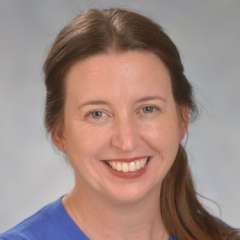
Anne M. Walling, MD, PhD - General Internal Medicine; Health Services
Associate Professor of Medicine
Division of General Internal Medicine and Health Services Research
Core Investigator, VA Center for the Study of Healthcare Innovation, Implementation & Policy (CSHIIP)
Director, Palliative Care Research, Department of Medicine at UCLA and the VA Greater Los Angeles Healthcare System
Consulting Researcher, RAND Health
Assistant Medical Director, UCLA Health Advance Care Planning Program
Dr. Walling's research focuses on palliative care quality measurement and stakeholder-partnered implementation studies with the goal of improving evidence-based care for patients with serious illness. Dr. Walling's work with quality measures has led in part to the National Quality Forum’s endorsement for RAND's end-of-life quality indicators. She was recently named a fellow of the American Academy of Hospice and Palliative Medicine (AAHPM) and is a Sojourns Scholar Leadership Program grantee (Cambia Health Foundation). Dr. Walling is PI and co-PI for grants and contracts from federal and non-federal sources including the Department of Veterans Affairs, Patient-Centered Outcomes Research Institute (PCORI), the California Health Care Foundation, and has served as co-investigator on several other awards including from the National Institute of Health. Dr. Walling Profile
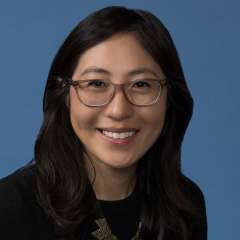
Emily Whang, MD - Pediatrics
Assistant Clinical Professor, Department of Pediatrics
Division of Gastroenterology, Hepatology & Nutrition
UCLA Mattel Children’s Hospital
After earning a BS in biology from UC San Diego, Dr. Whang attended medical school in California at Loma Linda University. She remained at Loma Linda University Medical Center for her pediatric residency, then returned to UCLA for a pediatric gastroenterology fellowship. Dr. Whang is board certified in pediatric gastroenterology and general pediatrics.
Dr. Whang is actively involved in cholesterol metabolism research in the Tontonoz Lab. She has been funded by the Children’s Discovery Institute and received a Junior Faculty Career Development Award. Through her ongoing work, she is studying changes in cholesterol metabolism following bariatric surgery. She has established a murine model of vertical sleeve gastrectomy to investigate cholesterol metabolic pathways, including absorption, hepatic uptake, hepatocellular cholesterol transport, and hepatobiliary excretion. Under the mentorship of Dr. Peter Tontonoz, Dr. Whang investigated the function of a cholesterol binding protein, called Aster, that facilitates intracellular cholesterol transport. Her contributions to this project involved the establishment of an enteroid model to study cholesterol absorption ex-vivo and to visualize intracellular Aster movement.
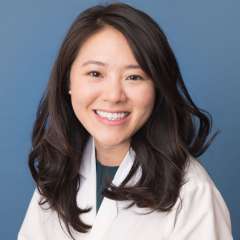
Carrie R. Wong, MD, PhD - Transplant Hepatology
Health Sciences Assistant Clinical Professor of Medicine
Vatche and Tamar Manoukian Division of Digestive Diseases
Pfleger Liver Institute
Dumont-UCLA Liver Transplant Center
David Geffen School of Medicine at UCLA
Dr. Wong is a clinician-investigator and transplant hepatologist with expertise in caring for patients across the continuum of liver disease from diagnosis to post-liver transplantation. She practices at Ronald Reagan UCLA Medical Center and the Pfleger Liver Institute. Dr. Wong’s research aims to improve early detection of steatotic liver disease. Her research leverages epidemiological and health services methods to evaluate health, behavioral, and environmental data to improve risk stratification and early detection of steatotic liver disease among high-risk groups. Through these evaluations, her research team develops and tests multilevel, pragmatic health interventions to improve early detection of liver disease.
Dr. Wong received her bachelor's degree in public health from the University of California, Berkeley and medical degree from Stony Brook University School of Medicine in New York, where she was inducted into the Gold Humanism Honor Society. She completed her clinical training in the Yale Traditional Internal Medicine Residency Program and gastroenterology and advanced transplant hepatology fellowships at UCLA. With support from the UCLA Specialty Training and Advanced Research and Ruth L. Kirshstein National Research Service Award T32 fellowship programs, she completed her PhD in the Department of Health Policy and Management at the UCLA Fielding School of Public Health in 2023. Thereafter, she joined the faculty as an assistant professor in the UCLA Vatche and Tamar Manoukian Division of Digestive Diseases. Dr. Wong is board certified in internal medicine, gastroenterology, and transplant hepatology. Wong Research Group
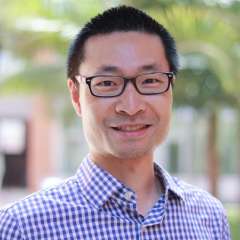
Holden H. Wu, PhD - Radiological Sciences; Physics; Bioengineering
Associate Professor
Magnetic Resonance Research Labs
Department of Radiological Sciences
Physics and Biology in Medicine Interdepartmental Program (IDP)
David Geffen School of Medicine at UCLA
Department of Bioengineering
UCLA Samueli School of Engineering
Dr. Wu's lab research focuses on the development and translation of quantitative magnetic resonance imaging (MRI) and MRI-guided interventions for cancer and metabolic diseases. Specific areas of interest include quantitative MRI and integrated diagnostics in prostate cancer, free-breathing quantitative MRI and MR elastography (MRE) in adult and pediatric liver diseases, quantitative placental and fetal MRI, real-time MRI, MRI-guided targeted biopsy and focal ablation, MRI-compatible robotics, MRI-guided nano-theranostics, and artificial intelligence for MRI. Prior to joining UCLA, Dr. Wu obtained his PhD in electrical engineering at Stanford University in 2009 and completed postdoctoral training at Stanford University Medical Center in 2012. His group’s research is funded by the NIH (NCI, NIDDK, NIBIB), industry partners, and institutional programs. He is also an active member of the UCLA Jonsson Comprehensive Cancer Center (JCCC) and the California NanoSystems Institute (CNSI) Wu Lab
Xia Yang, PhD - Integrative Biology; Molecular & Medical Pharmacology
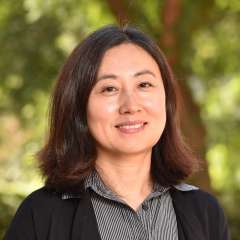
Professor, Department of Integrative Biology and Physiology
Professor, Department of Molecular & Medical Pharmacology
Vice Chair, Molecular, Cellular, and Integrative Physiology (MCIP) PhD Interdepartmental Program
Vice Chair, Computational and Systems Biology (CaSB) Undergraduate Interdepartmental Program
UCLA
Dr. Yang's lab specializes in developing computational tools to integrate multiomics data (genetic, transcriptome, epigenome, proteome, metabolome, and microbiome) and model multitissue multiomics networks underlying complex diseases. She received her PhD in molecular genetics and bioinformatics from Georgia State University and then did postdoctoral training in systems genetics at UCLA. She was subsequently senior research scientist at Rosetta Inpharmatics/Merck & Co and then principal scientist and director of Systems Biology at Sage Bionetworks, before returning to UCLA as a faculty. Her experiences in both industry and academia enable a broad research portfolio from computational tool development and disease mechanism investigations to drug discovery and environmental exposure studies using multiomics approaches.
Zhenqi Zhou, PhD - Endocrinology
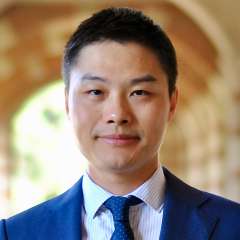
Zhenqi Zhou, PhD
Assistant Professor, Division of Endocrinology, Department of Medicine
David Geffen School of Medicine at UCLA
Dr. Zhou received his PhD in molecular and cellular biology at the University of Arkansas and completed his post-doctoral fellowship at UCLA. His research group is dedicated to investigating the pathophysiology of metabolic disorders, with a specific interest in inter-organ communication. His group has focused on the impacts of mitochondrial quality control on metabolic dysfunction. Additionally, his group seeks to identify novel myokines/adipokines that contribute to the beneficial effects of exercise and elucidate their impact on the pathophysiology of metabolic diseases. Dr. Zhou Profile
Xianghong Jasmine Zhou, PhD - Pathology & Laboratory Medicine
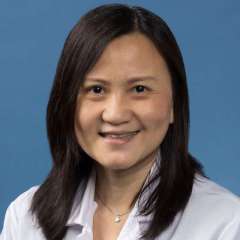
Department of Pathology and Laboratory Medicine
David Geffen School of Medicine at UCLA
With a long-standing track record, Dr. Zhou has been at the forefront of developing innovative methods in the fields of liquid biopsy and precision medicine. Her laboratory has pioneered a series of computational and experimental techniques for the detection and characterization of cancer using cell-free DNA. Notable among these methods are cfMethyl-Seq, cfSNV, cfTrack, cfSort, CancerDetector, and CancerLocator.
Dr. Zhou possesses extensive experience in managing and coordinating large-scale research collaborations. She currently serves as the contact Principal Investigator (PI) for several NIH-funded projects focusing on early cancer detection and health monitoring, including the UCLA Center for the Early Detection of Liver Cancer. Previously, she served as the contact PI for the Knowledge Base and Coordination Center of the MAPGen Consortium, which centered on Mechanism-Associated Phenotypes for Genetic Analyses from 2011 to 2016. Dr. Zhou has served as a standing member of the NIH Study Section of Biodata Management and Analysis from 2010 to 2016. She is also a frequent panelist on various NIH review panels.
Dr. Zhou's academic journey includes earning a degree in biochemistry from the University of Tubingen in Germany. Subsequently, she completed a Nachdiplom in computer science and obtained her PhD in bioinformatics from the Swiss Federal Institute of Technology. Her postdoctoral training in Biostatistics was conducted at Harvard University. Dr. Zhou has received the NSF CAREER Award and the Alfred P. Sloan Fellowship. Zhou Lab