
Comprehensive Liver Research Center at UCLA

Leading the fight against MASLD through research, outreach, and innovation.
Our members
Biomedical research cores
Inspiring the next generation of liver research leaders

$3M NIH grant to study how the brain's 'cleanup' system influences metabolism in aging
UCLA Health professor of medicine and the UCLA Comprehensive Liver Research Center director Dr. Rajat Singh has received a $3 million federal grant to investigate how aging affects a brain region that helps control metabolism, and whether reactivating a specific group of neurons could keep our metabolism healthier for longer.
Register today
Join us for the UCLA Liver Translational Research (ULTRA) Seminar Series where invited guest speakers, Comprehensive Liver Research Center faculty and UCLA trainees present their latest research findings and discuss evolving areas of interest and collaborations in liver-related research.

Pilot and feasibility awardees
Latest news

What do your cells actually eat?
With a new NIH Director’s New Innovator Award, UCLA scientist Tara TeSlaa aims to map how different cell types use nutrients inside the body. Her team will use those measurements to build maps of cellular metabolism across tissues and conditions.
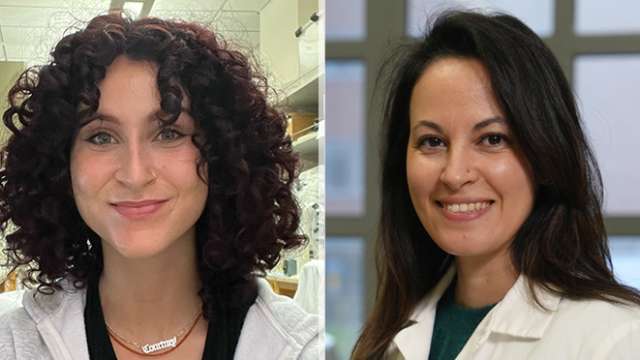
Characterizing human hepatic stellate cell populations in MASLD-related hepatocellular carcinoma
Drs. Courtney Labrecque and Jihane Benhammou recently published a study where they characterized human hepatic stellate cell populations in MASLD-related hepatocellular carcinoma (HCC). They investigate how statins regulate these key cell types, which are responsible for the development of hepatic fibrosis, cirrhosis, and HCC.

Landmark study to uncover the genetics of diabetes and obesity
A multidisciplinary team led by Tamer Sallam, MD, PhD, has received a prestigious National Institute of Diabetes and Digestive and Kidney Diseases (NIDDK) High Impact, Interdisciplinary Science Award (RC2) to launch the HERITAGE Study (Harnessing tandEm Repeats in MultI-Ancestry meTAbolic Gene-phenotype rElationships). The project seeks to address one of the most persistent questions in metabolic disease research: why do known genetic risk factors explain only a small fraction of the inherited risk for diabetes and obesity?

Dr. Layla Shojaie selected 2026 AASLD Foundation Emerging Liver Scholar Alumni Leader
The Emerging Liver Scholar (ELS) Alumni Leader Program provides second- and third-year gastroenterology fellows who are graduates of the ELS Program with an opportunity to deepen their engagement with the hepatology community while advancing their professional development. As alumni leaders, participants help shape the next generation of Emerging Liver Scholars by serving as near-peer mentors and ambassadors for the program throughout the award year. Dr. Shojaie was selected for this leadership role in recognition of her commitment to hepatology, leadership, and mentorship within the field.

$3.2M NIH grant to develop AI tool for liver cancer treatment
Drs. Jason Chiang and Kyung have received a $3.2 million, five-year grant from the National Cancer Institute to develop an artificial intelligence (AI)-enhanced imaging platform designed to improve yttrium-90 (Y90) radioembolization planning for patients with liver cancer.

A promising therapeutic approach to combat MASLD progression
A new study from the Dr. Anthony J. Covarrubias Lab identifies p21⁺TREM2⁺ senescent macrophages as a key driver of chronic inflammation in metabolic dysfunction-associated steatotic liver disease (MASLD).