At only 2, Camilo Cintora provides a succinct description of the health odyssey that began at birth.
When he visits his UCLA Health medical team, he lifts up his shirt, points at his tummy and says, “kidney.”
Camilo, who was born with poorly functioning kidneys, started dialysis at just 15 days old. Over the summer, at 21 months, he underwent a kidney transplant, putting him among the youngest patients transplanted by UCLA Health’s long-standing Pediatric Kidney Transplant Program.
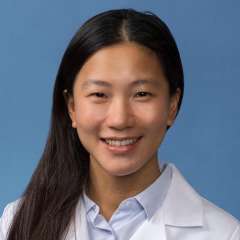
Patricia Weng, MD, medical director of the transplant program and Camilo’s pediatric nephrologist, said UCLA Health has better than expected outcomes compared to the national average, while handling complex cases referred by other centers.
“Our surgeons are really amazing,” Dr. Weng said. “They will tackle cases for kids languishing on dialysis who are not candidates elsewhere. This really gives them a new light, a new hope.”
Early abnormality
Camilo’s parents, Jordana and Erick Cintora, were newlyweds expecting their first child when an ultrasound at 16 weeks showed what looked like a cyst on the baby’s abdomen.
He was diagnosed with a bladder obstruction that resolved a few weeks later. However, at 30 weeks, he stopped producing amniotic fluid, which is mostly comprised of the baby’s urine at the stage of pregnancy.
In October of 2024, doctors induced Jordana Cintora at 36 weeks and she delivered in Long Beach, where they lived before moving to Rancho Cucamonga in 2025.
Tests at birth showed extremely poor kidney function, likely caused by temporary blockage in his developing urinary tract.
“We got transported to UCLA when he was 5 days old because our hospital didn’t do infant dialysis,” Cintora said. “I remember being so afraid to go. We had no idea what we were looking at.”
At 1 week old, Camilo underwent surgery to place a feeding tube and catheters to prepare for peritoneal dialysis, which would stand in for his kidneys by removing waste products from the blood using the inner lining of the abdomen as a filter.
Camilo spent nearly three months in the NICU receiving dialysis, first around the clock and then eventually only overnight.
His doctors explained from the beginning that chronic kidney disease was incurable and he would need a kidney transplant once he weighed enough, typically around age 2.
Dr. Weng said it was important for Camilo’s brain development for him to have a functional kidney filtering the blood at all times rather than relying on dialysis for too long.
“There’s something about having circulating toxins that haven’t been removed by dialysis that affect the brain,” Dr. Weng said. “It’s really critical in the early years when the brain is developing in childhood.”
Additionally, she said long-term use of dialysis can cause heart disease and result in a shorter stature for children.
“If you have a functioning kidney you can grow to your optimal or genetically determined height,” Dr. Weng said. “Once they are transplanted, it’s amazing how quickly they start growing.”
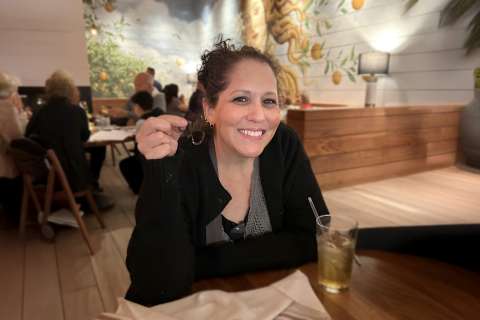
Cintora, 24, said during those early months, the couple felt like Camilo was the hospital’s baby more than theirs.
“The feeling of having to leave your baby every single night, I don’t think anything else we’ve gone through has made me feel that same sadness,” she said.
Once Camilo was home, the Cintoras performed his dialysis every night.
“Erick and I would always say he’s the easiest part of having a kid right now,” she said. “He was always so good, so patient. He would do so good with his pokes.”
Finding a match
After Camilo’s first birthday last fall, Cintora turned her attention to a transplant. Cintora, Erick and her mother all underwent testing to see if any of them were a match to donate a kidney to Camilo.
Without a living donor, Dr. Weng said it’s unknown how long Camilo would have had to wait.
“The wait time is very long for a kidney, even in pediatric patients where they get preferential treatment on the list,” she said.
In May 2026, Camilo developed an infection requiring removal of the catheter used for his at-home dialysis. Cintora said the safest thing was for him to switch to hemodialysis, where a machine filters the blood and returns it to the body.
They began traveling to UCLA Health three times a week, with a two-hour drive each way. They relied on new toys and visits from his grandmothers to keep Camilo occupied during the three-hour procedure.
A month later, in June, they found out the results of the kidney match workups.
“We heard the statistic is 1 in 5 people that test to be a donor are eligible. Of the three of us, I was the only one,” Cintora said. “I would have given both my kidneys if they would have let me.”
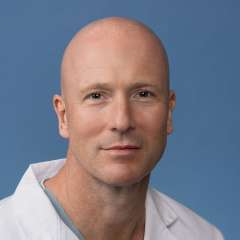
Camilo’s transplant surgeon, Jeffrey Veale, MD, said a kidney from a deceased donor typically lasts 10 years while a kidney from a living donor often functions for 20 years.
“Camilo is fortunate to have a mother that donated a kidney to him and when he gets older, he’ll appreciate her sacrifice even more,” Dr. Veale said.
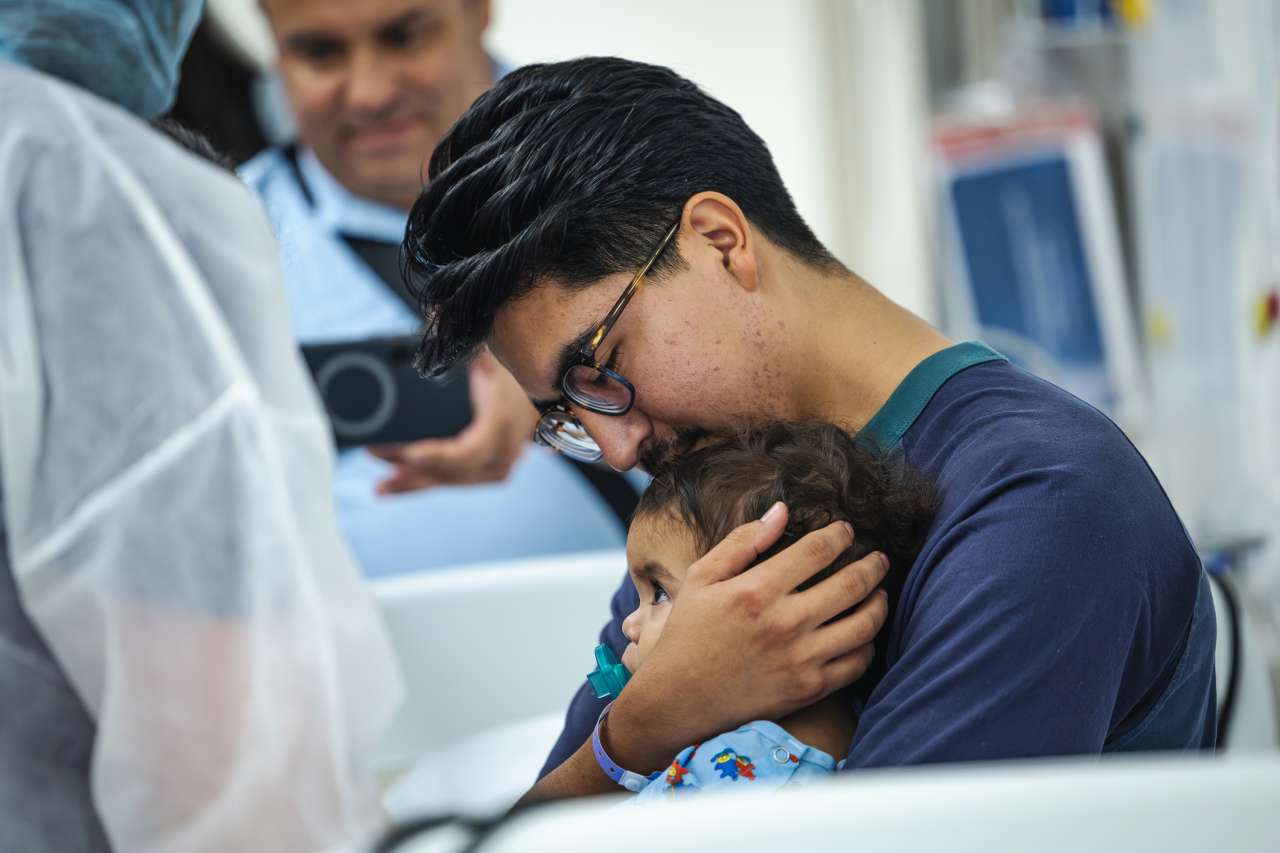
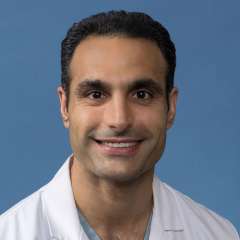
The medical team scheduled Aug. 11 for Cintora’s kidney removal, performed by Nima Nassiri, MD.
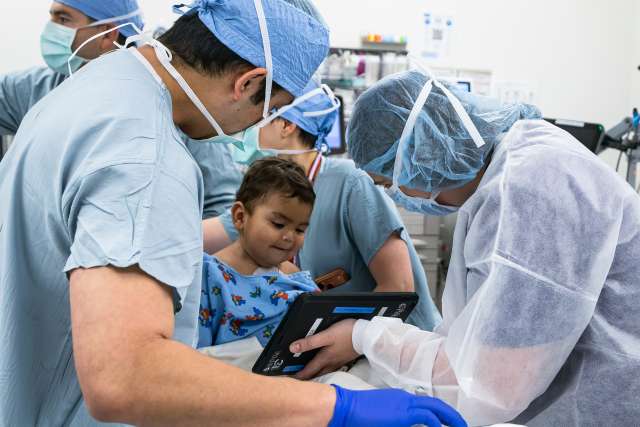
That same morning, Camilo would undergo removal of his non-functioning kidneys by Kathy Huen, MD, followed by the transplant. Often a new kidney can be transplanted alongside the native kidneys, but due to Camilo’s anatomy, leaving his native kidneys could leave him prone to infections later.
“We were wheeled into the OR pretty simultaneously,” Cintora said.
Dr. Veale attached Cintora’s kidney to Camilo’s blood vessels and bladder. The toddler’s age made for a more challenging, higher-risk surgery.
“He’s one of my youngest patients out of my approximately 3,000 transplants to date,” Dr. Veale said. “You’re dealing with very small vessels and toddlers don’t have much reserve for bleeding. There’s no room for error in a surgery like this.”
Dr. Veale said Cintora’s kidney was 10 times larger than Camilo’s native kidneys.
“It’s like comparing the tip of your finger to the size of your fist,” he said. “He has to grow into his mother’s kidney and he will.”
When Cintora woke up from her surgery, she learned that Camilo’s was going well. She was able to visit him later in the day.
“I have a picture where I’m holding his hand,” she said.
Cintora was discharged the next day, while Camilo stayed for nine days.
Her pain improved gradually over the first month of recovery, even as Camilo was noticeably improved after the transplant.
“I had to take it easy but keep up with a more energized Camilo,” she said. “I always tell people he took my energy with him.”
Living to the fullest
Cintora said Camilo revels in running, playing and enjoying things he couldn’t do before.
“He just wanted to be a normal kid,” she said. “Just getting to see him live life to the fullest has been super rewarding. You can just tell he feels better. He has a spark.”
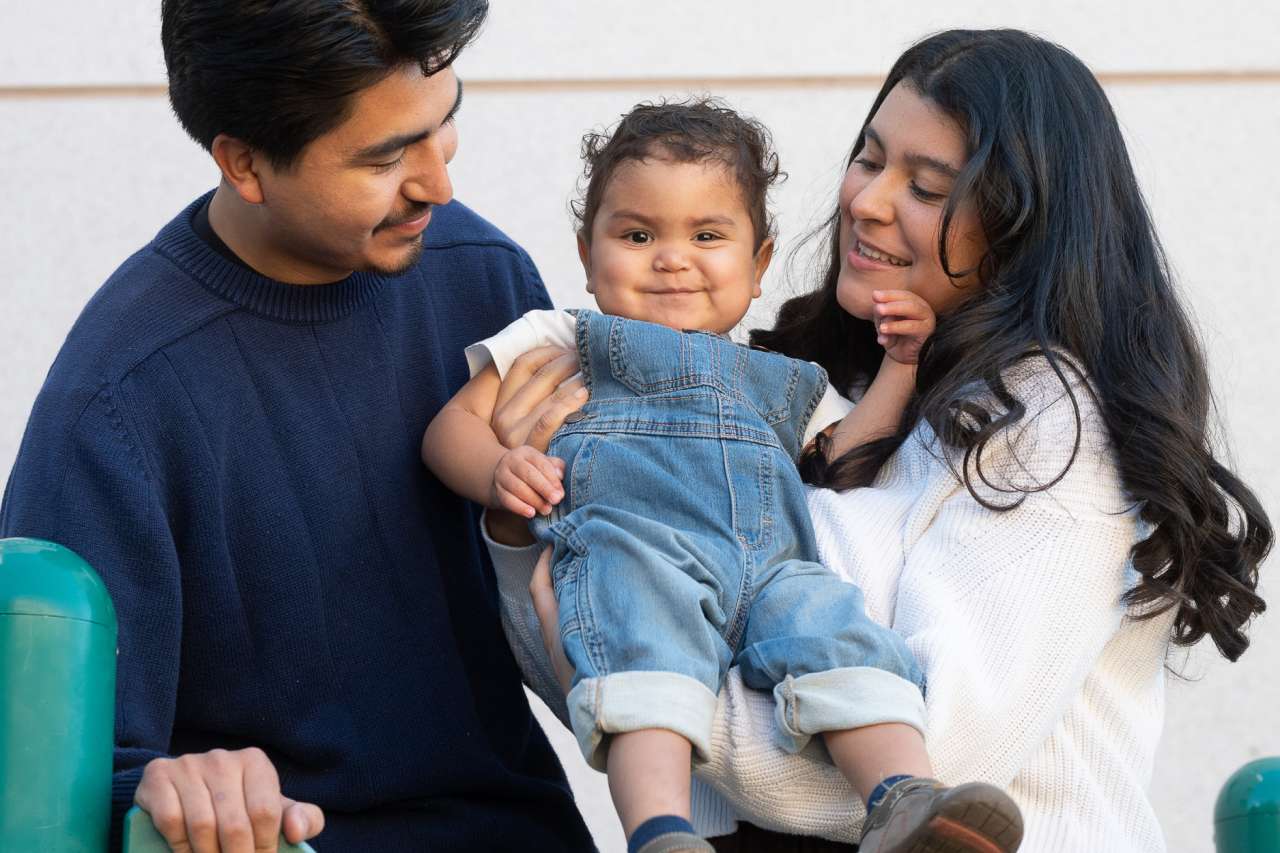
He could never take baths because of his catheters for dialysis but now nightly tub time is his favorite part of the day. He can also urinate normally for the first time.
The family recently celebrated his second birthday with a trip to Zion National Park in Utah.
Camilo takes immunosuppressant medications to prevent his body from rejecting his mother’s kidney but Dr. Veale and the Cintoras are hopeful that won’t always be necessary.
Dr. Veale has pioneered a program that allows certain kidney recipients to be removed from anti-rejection drugs, which prolongs the life of the kidney and reduces medication side effects. The transplant tolerance process infuses the kidney donor’s stem cells into the recipient so that the immune system of the recipient fully accepts the transplanted kidney.
Dr. Veale said Camilo and his mother may become candidates in the future. Currently, the study is limited to well-matched adult siblings.
“Down the road, he could receive his mother’s stem cells and be off all immunosuppressants and potentially have his mother’s kidney for the rest of his life,” Dr. Veale said.
Camilo’s care at UCLA Health not only saved his life, but it’s redirected Cintora’s path.
A college biology major, she left her job as an agricultural inspector after Camilo’s birth because of his medical needs.
She’s now decided to attend nursing school.
“I think it’s because of all the nurses that have loved us, cared for us and encouraged us,” Cintora said. “It makes me want to make that similar impact in other people’s lives.”