UCLA Health researchers have developed a new machine learning model that predicts which donor organs from donors after circulatory death (DCD) are most likely to be viable for transplant. The study, published in the Journal of Heart and Lung Transplantation, addresses a significant challenge in thoracic transplantation: determining whether a potential DCD donor will pass away within the critical time window needed for successful organ recovery.
Traditionally, donor organs have come from individuals declared brain dead. However, the severe shortage of these organs has led to increasing reliance on DCD donors – those who have no chance of neurologic recovery but their heart continues to beat. These donors now account for about one half of all organ donors this year.
A major challenge with DCD donation is that many potential donors do not pass away within the necessary timeframe after life support is withdrawn, making their organs unsuitable for transplantation.
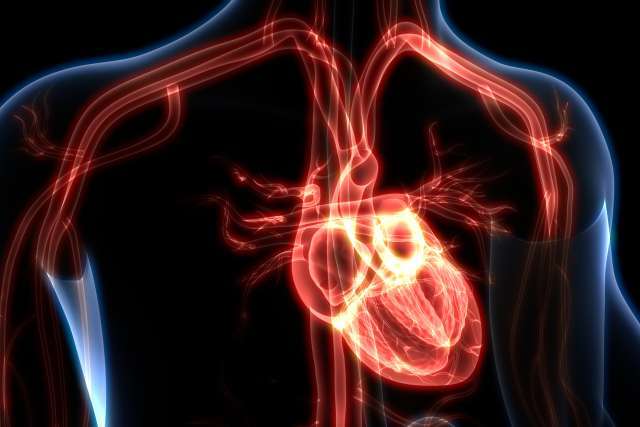
For heart donation, the heart typically must stop within about 30 minutes after withdrawal of life support. For lungs, the window is generally within two hours. If these time limits are exceeded, the organs often cannot be used.
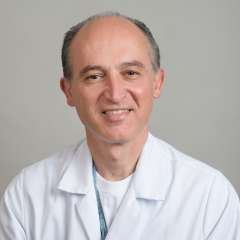
“This addresses the ‘Achilles’ heel’ challenge of thoracic transplantation, which is determining which donor cases are worth pursuing for procurement,” said Dr. Abbas Ardehali, director of the UCLA Heart, Lung, and Heart-Lung Transplant Programs, professor of surgery and medicine at the David Geffen School of Medicine at UCLA, and corresponding author of the study.
Currently, there are no reliable formulas to predict whether a donor will expire within these critical windows. As a result, transplant teams often travel to procure organs only to return empty-handed nearly half the time, creating significant emotional stress for recipients and their families while also driving up healthcare costs.
The research analyzed data from more than 4,400 potential donors across three major organ donation organizations in the United States between 2014 and 2025. These were donors whose life support was withdrawn with the intent of organ donation. Researchers collected key clinical information—including medical history, neurologic function, respiratory status, and laboratory values—and combined it into a single dataset.
Using machine learning, the team was able to more accurately predict whether donors would pass away within the critical 30-minute and two-hour windows necessary for heart and lung transplantation.
Earlier prediction models were built using smaller patient groups, fewer medical indicators, and more limited datasets, resulting in lower accuracy. Researchers say machine learning offers a significant improvement by better reflecting the complex physiologic changes that occur during the final moments of life.
“With machine learning, we can better capture what’s really happening in the body in those final moments,” said Ardehali. “While more testing is still needed, this approach could help avoid unnecessary organ recovery attempts, use resources more efficiently, and ultimately help more patients receive life-saving transplants.”
The findings were presented as a “Featured Abstract” during a plenary session at the world’s largest international meeting for heart and lung transplantation.
Researchers believe this innovation could transform the field of DCD organ transplantation by improving donor selection, reducing futile procurement trips, minimizing emotional distress for recipients and families, and decreasing unnecessary healthcare resource utilization.