Rewriting the future
By Sandy Cohen
Photographs by John McCoy
Like a duckling following a mama duck, Karina Avina has always been close to her older sister, Rosa Rivera.
In high school, that included the soccer team; when Rosa joined, Karina wanted to play as well. She was excited about wearing cleats and shin guards, as her big sister did. All Karina needed was a physical exam to clear her for play.
That’s when she got the first inkling that something was amiss with her health.
During the routine exam, Karina learned her blood pressure was high enough to require medication. The following year, a bout with strep throat revealed an even more serious diagnosis.
“That’s when they told me, ‘You have chronic kidney disease,’” Karina recalls. She was 16 years old. With Rosa by her side, the two sisters broke down in tears.
Doctors at UCLA Health told Karina she’d eventually need a kidney transplant, and that Rosa would have to wait until she was 25 to be tested as a possible donor to ensure she didn’t have any health problems of her own.
Karina had no choice but to start dialysis a few years later, which meant plugging herself into a machine that restricted her movements.
“I had to be hooked on every night,” she says. “I had to be home. I had to be in bed, in the room.”
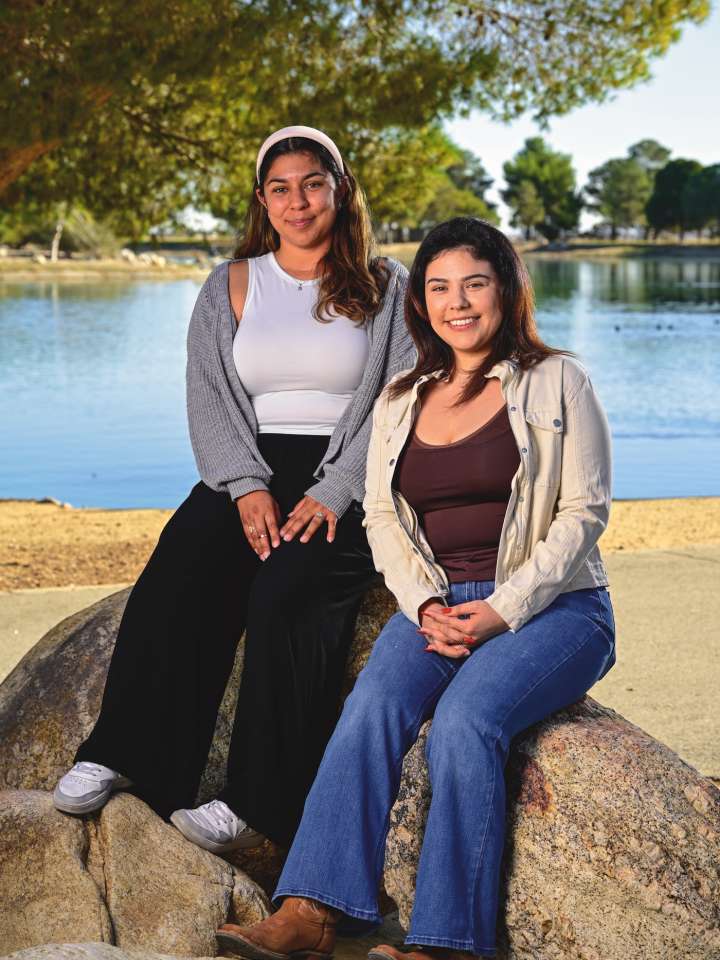
What Karina didn’t know then was that she would eventually take part in a groundbreaking study that could change the field of organ transplantation forever: She would be among the first in the world to participate in a “delayed tolerance” protocol.
Pioneered by UCLA Health, the protocol eliminates the need for antirejection drugs to preserve transplanted organs — even years after transplant surgery.
Kidney transplants are life-changing. They can restore health and liberate those with kidney disease from exhausting and time-consuming dialysis treatments.
But they come with a lifelong regimen of immunosuppressive drugs to prevent the immune system from attacking the new organ as a foreign invader. These medications are essential to maintain the transplant, but they can cause serious complications, including increased risk of cancer, infection, diabetes, hypertension and heart disease.
And, ironically, they’re especially toxic to the kidneys. Immunosuppression drugs are filtered through the kidneys, eventually overwhelming and overtaxing the organ they were prescribed to protect.
Even with the best drugs, about half of kidney transplants are lost to chronic rejection in 15 to 20 years, according to the National Kidney Foundation. For the patient, this means having to go back on dialysis or undergo a second, or even a third, transplant.
For Karina, Rosa and their other five siblings, hearing this information was devastating. Karina was still a teenager. How many kidneys would she need over her lifetime?
Rosa and her brother David Ledesma decided they would be the first two donors. That would cover Karina for 30 years. But what about after that?
“Is she going to be really low on the list because she’d already gotten a kidney?” Rosa recalls wondering. Ledesma, it turned out, wasn’t eligible.
Meanwhile, UCLA Health was advancing technology that would allow kidney transplant recipients to forego immunosuppression drugs altogether.
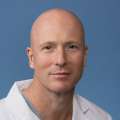
Building on science developed at Stanford University, UCLA Health renal transplant surgeon Jeffrey Veale, MD, has dedicated himself to furthering a transplant protocol known as tolerance. This protocol primes the organ recipient’s immune system to recognize the new kidney not as an interloper but a natural part of themselves.
Tolerance is a significant advancement in organ transplantation because it eliminates the need for immunosuppressive drugs. It means, as Dr. Veale says, a transplant recipient could have “one kidney for life.”
“Many patients feel amazing after being freed from dialysis after transplant,” he says. “But they feel ‘cured’ after being freed from immunosuppression drugs after tolerance.”
It takes a multidisciplinary team of experts across diverse specialties to facilitate this process, including nephrology, urology, hematology and radiation oncology, among others.
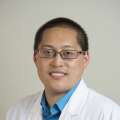
“It requires a lot of interplay between different divisions,” says transplant nephrologist Erik Lum, MD, medical director of the kidney transplant tolerance program. “This really demonstrates the strength of a place like UCLA Health. You can’t do this just anywhere.”
The first tolerance transplant procedure at UCLA Health was performed in 2020, supported by nearly $2 million from the nonprofit OneLegacy Foundation.
Nine well-matched sibling pairs signed on for the protocol, which called for a stem-cell infusion shortly after transplant surgery.
In the months that followed, the transplant patients were monitored to check for mixed chimerism. Upon seeing long-term results, doctors would reduce and ultimately eliminate the antirejection medication.
The initial nine tolerance patients experienced the transplant and stem-cell infusion as two parts of one procedure. Today, seven are totally off antirejection drugs and the other two are on track to join them.
But Dr. Veale had always planned to take the tolerance procedure further. In January of 2025, he received a $6.7 million grant from the California Institute of Regenerative Medicine to further explore the mechanisms of tolerance. The hope was to make it available to people who had already received transplants.
Dr. Veale wanted to investigate the possibility of delayed immunological tolerance. Could someone who had a kidney transplant years earlier still develop tolerance by receiving an infusion of their organ donor’s stem cells? Could the process work retroactively?
“There’s thousands of people who have already been transplanted,” Dr. Veale says. “So doing a delayed protocol opens up tolerance and immunosuppression freedom to so many more patients.”
Rosa knew nothing about the tolerance protocol when she finally turned 25 and was able to give her sister a kidney. Karina was 23 and had been on dialysis for more than two years. As ready as she was to feel better, she had mixed feelings about Rosa undergoing surgery on her behalf.
“I love that she wanted to do that, but it also kind of makes you feel guilty,” Karina says. “Because, yeah I’m going through this, but I don’t want to put her through pain or take anything from her.”
Rosa recalls: “There were times when she would tell me, ‘I feel bad.’ But I was like, ‘We’re gonna do this. There’s no backing out now.’”
The sisters each had surgery on Oct. 10, 2023. Transplant surgeon Jeremy Blumberg, MD, removed Rosa’s kidney and H. Albin Gritsch, MD, transplanted it into Karina.
When nurses wheeled Rosa in to see her sister the next morning, she could already tell something was different.
“You could see it in her face,” Rosa remembers. “She looked so good.” Doctors said Karina’s lab results indicated the kidney was already working well.
Karina felt the effects of the transplant immediately, even as she started on a multi-pill daily regimen of antirejection drugs to maintain the new organ.
“I was feeling so bad, having my failing kidneys and being on dialysis. And after getting Rosa’s, it was just like whoop, everything was better,” she says.
The process brought them even closer.
“Growing up, I was always the one like right behind her,” Karina says. “That was the dynamic in high school. Then we were more like friends, then besties, and then the surgery happened.”
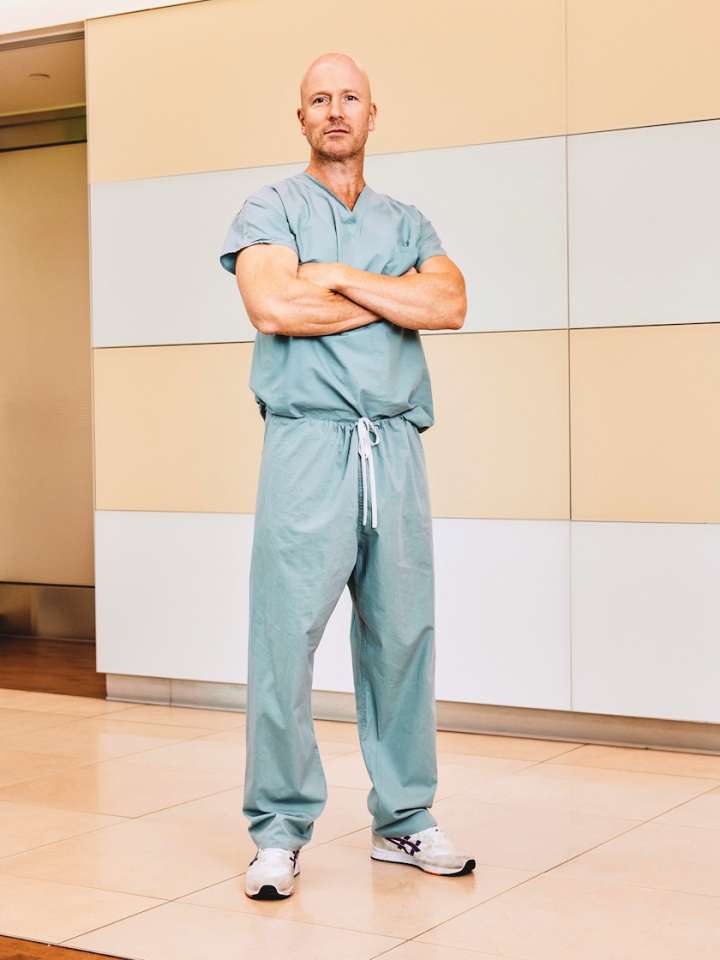
About six months later, Karina’s nephrologist, Dr. Lum, introduced a new variable: he told her about the UCLA Health study exploring delayed tolerance — and the possibility of quitting her daily pill regimen of immunosuppressive medication for good.
UCLA is the first institution in the world to perform the delayed immune tolerance procedure.
A study like this, on patients who had received a kidney transplant from a living donor within the last five years, had never been attempted before.
There were concerns that introducing the stem cells later would trigger the immune system to reject the new cells, “and, God forbid, also kick out the living-donor kidney they had for years,” Dr. Veale says.
Karina wasn’t sure if she should try the delayed tolerance procedure as it hadn’t been proven yet. She was finally feeling better and didn’t want to mess anything up.
Both she and Rosa were skeptical — but at the same time, captivated by the idea of not needing another transplant in Karina’s lifetime.
“It feels like in the beginning you have a win and a loss — you get the life of that kidney, but it doesn’t last forever because of the medication,” Karina says. “And then it’s like, what if you keep your sister’s kidney, no medicine, and you won’t have to eventually have [another transplant]... why wouldn’t you try?”
Rosa was concerned about her sister having to deal with another medical treatment: “She was going through so much, and she had already expressed how she was so ready to be done.”
Both sisters understood there was no guarantee the procedure would work, though a few others had undergone it at the time.
“I remember telling Karina, ‘Let me pray about it,’” Rosa says. “I came back to her and said, “I’m fully confident this is going to work. Like, there’s no other option, it’s going to work.’”
A year after the transplant surgery, the sisters decided to move forward.
As with the standard tolerance procedure, transplant recipients receive 10 radiation treatments to prepare for the stem-cell infusion. Their organ donors give themselves injections to push stem cells into their bloodstream, then have those cells extracted.
The organ recipient receives the infusion, and if durable chimerism forms, they can leave their immunosuppression drugs — and all the complications from those drugs — behind.
Rosa drove Karina from their Lancaster home to UCLA Health every day for the hours-long infusions and radiation treatments that would prepare her body to receive Rosa’s cells.
Those sessions were “when Karina got me into Korean drama,” Rosa says.
“It was a whole newfound interest for me, too,” Karina says. “[Those shows] are what got me through it.”
Afterwards, Karina continued to go for regular lab work with Dr. Lum. Each visit confirmed that things were looking good.
He started decreasing her medications. Weekly appointments became monthly. In July, she stopped taking the medications altogether.
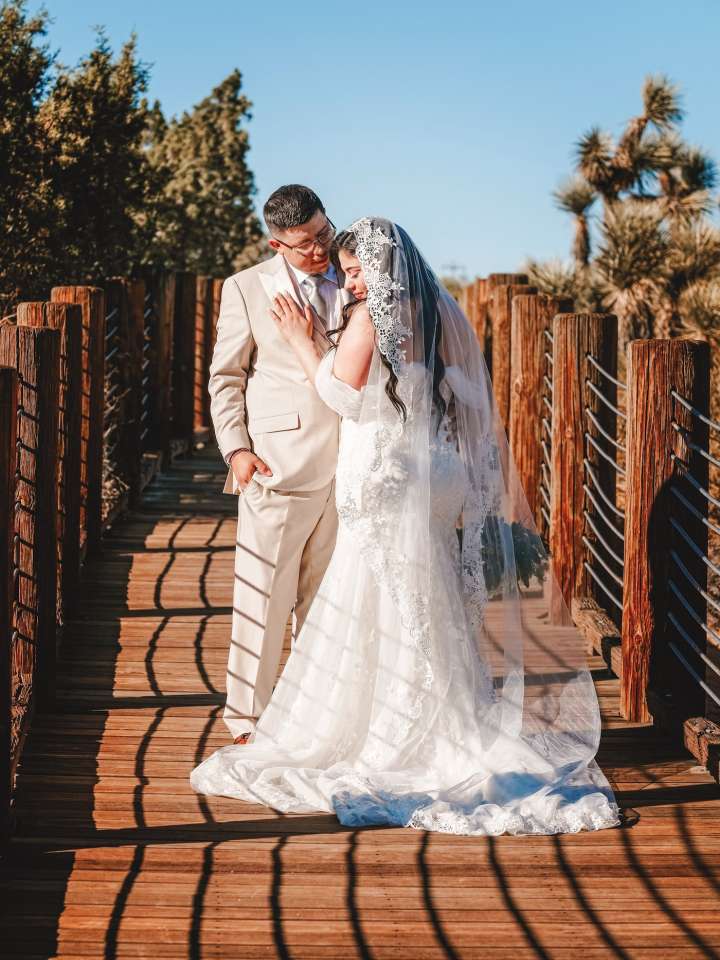
In September, she married her longtime boyfriend, who had been with her throughout the whole ordeal.
“I’d held onto the [antirejection] medicine, even after they told me to stop. The day after my wedding, I was moving stuff and I finally threw everything away,” Karina says.
“The daily big block of pill organizers? I threw it away.”
Since 2015, Dr. Veale has envisioned a world in which immunosuppression drugs after transplants are obsolete, because tolerance has become the norm.
For that to happen, though, the procedure must become available beyond kidney transplants from living donors. More than 85% of the 48,149 organ transplants performed in the United States in 2024 came from deceased donors, according to the U.S. Department of Health and Human Services.
Even before UCLA Health performed its first tolerance procedure, Dr. Veale had an eye on making tolerance possible for people receiving organs from deceased donors. That would be the “pinnacle achievement” in transplantation, he says.
In collaboration with OneLegacy, UCLA Health scientists developed technology to extract stem cells from deceased organ donors.
“There is an opportunity at UCLA to do something that’s never been done before — a deceased-donor transplant using not just the deceased donor’s organ, but also the deceased donor’s stem cells to achieve tolerance,” Thomas Mone, former CEO of OneLegacy, said at the outset of the project in 2020. “That is immensely more complex than doing this with a living donor, which is complex enough.”
But Dr. Veale is getting closer. Delayed tolerance is the next step — “a stepping stone to deceased donors,” he says.
Six other patients have undergone the delayed tolerance procedure so far, and all have been successful — they’re either completely off or tapering off antirejection medications as they look toward an immunosuppression-free future.
In 2026, UCLA plans to make the protocol available to people who had a living-donor kidney transplant up to 20 years ago, Dr. Veale says.
“This opens it up to patients who have been transplanted in the past and to patients who were transplanted elsewhere,” Dr. Veale says. “Delayed tolerance is all outpatient, so the expenses are much, much less.
“And it opens this up beyond kidney transplant. Now we could potentially achieve tolerance with liver, heart or lung transplants.”
That’s still on the horizon — but within sight.
“We now know this works in a delayed fashion. Now we’ve collected deceased donor stem cells, and we know it works,” Dr. Veale says. “The two pieces just have to come together.”

Now 26 and in perfect health, Karina is looking forward to doing all the things she couldn’t before. A self-described “chef at heart,” she’s finally free of the food restrictions that came with her immunosuppressive medications: “Being able to eat and drink with no restriction is the best thing.
“It opens a lot,” she says. “It’s still kind of scary, because anything my body feels, I’m like, ‘Wait, do I have to call the hospital?’ So it’s still kind of scary to do anything, but it does give more possibility and hope.”
Rosa is excited, too, about Karina’s future. And, of course, the sisters are closer than ever.
“She was a part of me before,” Karina says. “But now she made it literal.”
This is the kind of story that keeps Dr. Veale laser-focused on his passion: making tolerance available to all transplant patients, so they can live without the complications caused by immunosuppressive drugs.
“You can almost tangibly touch it or see it,” he says. “It’s just down the road.”
Request an appointment with the Kidney Transplant Program at UCLA Health.