
Endoscopic Treatment for Obesity
Find Your Care
Our expert interventional endoscopy team includes skilled physicians who perform minimally invasive endoscopic procedures to treat GI disorders. Call 310-267-3636 to connect with a specialist.
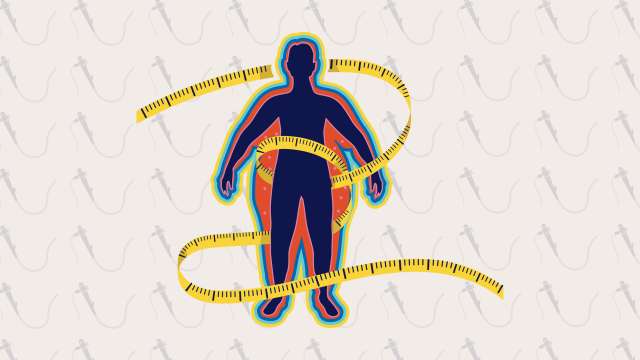
Endoscopic weight loss care, tailored to you
At UCLA Health, we understand that weight loss is not one-size-fits-all. Our bariatric endoscopy team takes a personalized approach to care, working closely with experts from the UCLA Health Center for Obesity and METabolic Health (COMET) and the UCLA Health Center for Human Nutrition to help you achieve your health and weight loss goals.
Together, our multidisciplinary team—including bariatric surgeons, medical weight loss specialists, dietitians, psychologists, nurses, and other healthcare professionals—will work with you to determine the treatment options that best fit your needs and lifestyle.
One option may be bariatric endoscopy, a newer, minimally invasive approach to weight loss that is performed without external incisions. Because there are no skin incisions, these procedures leave no scars and typically offer a faster recovery than traditional surgery. For appropriately selected patients, bariatric endoscopy can be a safe and effective tool for achieving meaningful weight loss as part of a comprehensive weight management program.
Is this procedure right for you?
Endoscopic bariatric procedures may be suitable for patients who do not qualify for traditional bariatric surgery. This includes the large number of people with mild or moderate or obesity who nevertheless experience health problems linked to excess weight. This may also include patients who have regained weight after a prior bariatric surgery.
For example, you may be a good candidate for an endoscopic weight loss procedure if you have:
- A BMI of less than 40 without other medical problems
- A BMI of 30-35 with high blood pressure, high cholesterol/triglycerides, type 2 diabetes, or sleep apnea
- Regained weight after Roux-en-Y gastric bypass surgery
Endoscopic procedures we offer
Endoscopic sleeve gastroplasty (ESG)
- ESG is a simple, minimally invasive weight loss procedure done as an outpatient. Using a thin, flexible tube called an endoscope, the bariatric endoscopist creates folds in your stomach to make it smaller. This helps you feel full faster and eat less — all without any cuts or major surgery.
Gastric bypass revision / Transoral outlet reduction (TORe)
- TORe is an endoscopic procedure designed to help address weight regain in people who have previously undergone Roux-en-Y gastric bypass surgery. It’s done through the mouth without any cuts, where the doctor makes the opening from the stomach to the intestines smaller to help you feel full longer and support your weight loss. Gastric bypass revision surgery can jump start the weight loss process.
What to expect during a visit
One of our expert bariatric endoscopists will carefully review your medical history and weight-loss goals. Your provider will then discuss weight-loss options which may be appropriate for you, including bariatric endoscopy procedures and/or bariatric surgery. We will also arrange for you to meet our multidisciplinary team in COMET and/or the Center for Human Nutrition as part of our comprehensive, individualized approach to weight loss.
We will also provide you with information about paying for your weight management program and procedure, including whether insurance coverage is an option.
Our trusted partners supporting your weight loss journey
Our team

Patient story: A second chance: Endoscopic suturing procedure after bariatric surgery helped Bren reach her weight loss goals
Minimally invasive treatment options for obesity and weight gain after bariatric surgery