
Seed Grants 2026

Integrative medicine use and perspectives in irritable bowel syndrome and the general U.S. population
Fellow: Preetha Iyengar, MD
Mentor: Lin Chang, MD
The aim of this cross-sectional national survey study is to evaluate integrative medicine use among patients with irritable bowel syndrome (IBS) in comparison with the general U.S. population. This will include assessing prevalence and frequency of use, reasons for use, perceived risks and benefits, association with symptom severity and quality of life, and demographic predictors of use among patients with IBS and the general U.S. population. The overall goal of this study is to improve patient outcomes by (1) guiding future research initiatives in the use of integrative therapies in IBS and (2) highlight patterns of integrative medicine use specific to patients with IBS to guide providers in their treatment plan and shared decision-making with these patients about integrative therapies.
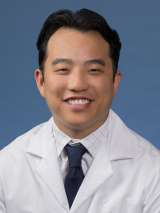
Development and testing of a novel, just-in-time, paracentesis simulation curriculum
Fellow: Bryan Kim, MD
Mentor: Arpan A. Patel, MD, PhD
The prevalence and mortality related to cirrhosis have continued to rise over the last decade. Over the same period, we are seeing a decline in procedures performed by hospitalists with increased reliance on other subspecialists to perform bedside procedures. Internal surveys conducted of both hospitalists and internal medicine residents show a lack of comfort with paracentesis, and there is no curriculum currently in place for ongoing procedural education. This project aims to develop and test a structured, simulation-based training curriculum using an ultrasound-compatible paracentesis trainer for internal medicine hospitalists and residents at the West Los Angeles Veterans Affairs (VA) Medical Center. The educational goal is to improve procedural and supervisory comfort. The initiative will initially focus on training the hospitalist service, and will subsequently expand to include internal medicine residents. By integrating simulation for spaced learning and just-in-time procedural training, this approach will enhance comfort, knowledge, and skill retention while reducing the procedural burden for interventional radiology, allowing for more complex procedural interventions.
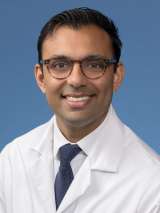
Biomarkers for aspiration and chronic lung allograft dysfunction in lung transplant patients with gastroparesis
Fellow: Sagar "Arnie" Shah, MD
Mentor: Alireza Sedarat, MD
Gastroparesis is characterized by delayed gastric emptying in the absence of mechanical obstruction, resulting in symptoms of early satiety, abdominal pain, nausea, and vomiting. One cause of gastroparesis is vagal nerve injury, which is often seen after thoracic and abdominal surgeries. There is particular interest in the development of gastroparesis following lung transplant given the sensitivity of grafted lungs to aspirated gastric contents. The premise of therapeutic interventions for patients with lung transplants and gastroparesis is that microaspiration of gastric contents drives the development of chronic lung allograft dysfunction (CLAD), the most common phenotype of which is bronchiolitis obliterans syndrome. CLAD is characterized by a progressive obstructive ventilatory defect produced by chronic parenchymal inflammation and destruction of bronchioles. There is significant interest in whether treatment of gastroparesis can slow this pathophysiology process. Prokinetic agents have traditionally been the cornerstone of treatment of gastroparesis but are limited by significant neuro- and cardiotoxicity leaving many patients with persistent symptoms. This has prompted the development of novel procedural interventions to address abnormal gastric body contraction and spasm of the pylorus found in a subset of patients with gastroparesis.
Gastric peroral endoscopic myotomy (G-POEM) has emerged as a minimally-invasive alternative to surgical myotomy and has been shown to be effective in patients with refractory gastroparesis. However, outcome data on these procedures are extremely limited and mostly consist of case series and single center experiences. Furthermore, outcomes are often measured using imperfect metrics, like the Gastroparesis Cardinal Symptom Index (GCSI) and retention on gastric emptying studies (GES). Given the subjectivity and imprecision of these metrics, it’s unclear if these outcomes justify the use of this procedure in patients with lung transplant to preventing decline in allograft function. To understand the value of G-POEM in patients with gastroparesis, particularly those who have received lung transplants, we need a more objective marker of aspiration that is correlated with pulmonary outcomes following transplant.
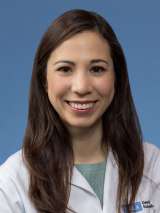
The impact of diet on biologic response in patients with inflammatory bowel disease
Fellow: Ellen Spartz, MD
Mentors: Berkeley N. Limketkai, MD, PhD; Jonathan P. Jacobs, MD, PhD
This project will investigate how diet influences clinical outcomes in patients with inflammatory bowel disease who initiate or switch biologic therapies to induce remission. We will conduct a retrospective study to compare clinical outcomes between patients who received an anti-inflammatory dietary intervention and those who did not. In addition, we will prospectively collect dietary data and stool samples for microbiome analysis to explore how diet may affect treatment response and microbial composition in this patient population.
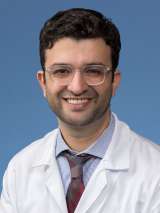
Development and evaluation of a feedback-rich endoscopy training module: A randomized educational trial using "LA Classification of Esophagitis as a pilot model"
Fellow: Farnoosh Vahedi, MD
Mentor: Amanda J. Krause, MD
Endoscopists performing upper gastrointestinal endoscopy are expected to recognize and diagnose a variety of mucosal and vascular features during endoscopy. Currently, training in endoscopy relies primarily on didactic teaching and experiential learning during endoscopic procedures. Most formal didactic education offered is passive, often delivered through a lecture-based format. International guidance emphasizes that interactive, feedback-based training with exposure to large numbers of lesions and pathology is an effective strategy for improving diagnostic performance.
Here we propose a novel, feedback-rich visual endoscopy training module evaluated through a randomized educational trial. Gastroenterology fellows will be blindly assigned to either standard instruction alone or standard instruction supplemented by a structured image-based training module, in which learners review multiple endoscopic images and receive immediate feedback with explanation. Our pilot will consist of LA grade esophagitis images as a pilot model. Participants will complete pre- and post-intervention assessments to measure changes in diagnostic accuracy and inter-observer agreement. Participants will be incentivized with Amazon gift cards. This pilot will establish the feasibility and educational impact of a scalable framework for image-based visual endoscopy diagnosis training.

Knowledge and attitudes of gastroenterology trainees regarding disorders of gut-brain interaction: A pilot educational initiative
Fellow: Sigrid Young, MD
Mentor: Lin Chang
Disorders of gut-brain interaction (DGBI) affect nearly 40% of the global population, yet many gastroenterologists and trainees report low confidence in management, particularly with neuromodulator titration and referrals to gastropsychologists. These gaps, compounded by stigma, negatively affect patient care and outcomes. Although DGBI is considered a core fellowship competency, existing curricula remain limited. Prior educational efforts have improved awareness and knowledge but not attitudes, underscoring the need for scalable interventions across training programs.
This study will survey fellowship program directors to identify gaps in DGBI education, which will inform the development of an online, case-based didactic curriculum that will be disseminated across fellowship programs. Fellows will then complete pre- and post-assessments to evaluate knowledge and attitudes, with the goal of advancing scalable DGBI education across fellowship programs. This project reflects my combined academic and clinical interests in DGBI and medical education.