Pediatric Cancer Genetics
Find your care
Learn about your inherited risks so you can make informed decisions about your health care. For more information, connect with a cancer care specialist at 310-825-6708.
UCLA Pediatric Cancer Predisposition Program
The Pediatric Cancer Predisposition Program offers a multi-disciplinary approach for children with diagnosis of cancer, overgrowth syndrome, or familial cancer predisposition.
Each year in the United States, about 16,000 children and adolescents under the age of 20 years are diagnosed with a form of pediatric cancer. The prevalence and contribution of heritable germline mutations leading to the development of cancer among these children and adolescents are largely unknown. Previous research studies suggest up to 30% of patients may have an underlying heritable genetic cause.
In 2012, UCLA was the first academic medical center to offer clinical exome sequencing to patients and shortly after that, we started the UCLA Pediatric Cancer Predisposition program. We are a multi-disciplinary genomics clinic with a clinical mission to apply cutting edge sequencing to the clinical care of our patients with cancer or an underlying genetic syndrome that increases their risk of cancer, and a research mission to understand how genetics affects cancer risk, effective cancer surveillance, and ultimately pediatric cancer prevention.
Conditions We Treat
- Li-Fraumeni syndrome
- Neurofibromatosis type 1
- Neurofibromatosis type 2
- Schwannomatosis
- Noonan syndrome
- Costello syndrome
- CBL syndrome
- Legius syndrome
- Beckwith-Wiedemann syndrome / isolated hemihypertrophy
- PIK3CA-related overgrowth spectrum (PROS)
- Hereditary retinoblastoma
- Hereditary neuroblastoma
- Gorlin syndrome (nevoid basal cell carcinoma syndrome)
- Rhabdoid tumor predisposition syndrome
- Meningioma predisposition syndrome
- BAP1 tumor predisposition syndrome
- Multiple endocrine neoplasia type 1 (MEN1)
- Multiple endocrine neoplasia type 2 (MEN2A/MEN2B)
- Multiple endocrine neoplasia type 4 (MEN4)
- Hereditary paraganglioma-pheochromocytoma syndrome
- Von Hippel-Lindau disease
- Hyperparathyroidism-jaw tumor syndrome
- Carney complex
- Familial adenomatous polyposis
- MUTYH-associated polyposis
- Lynch syndrome
- Constitutional mismatch repair deficiency (CMMRD)
- Replication repair deficiency (POLE/POLD1)
- Juvenile polyposis syndrome
- Peutz-Jeghers syndrome
- Hereditary diffuse gastric cancer
- Serrated polyposis syndrome
- PTEN hamartoma tumor syndrome (Cowden syndrome)
- DICER1-related tumor predisposition
- Hereditary leiomyomatosis and renal cell cancer (HLRCC)
- Schinzel-Giedion syndrome
- Familial platelet disorder with predisposition to myeloid malignancy (RUNX1)
- ETV6-related thrombocytopenia/leukemia predisposition
- CEBPA-associated familial AML
- GATA2 deficiency
- Diamond-Blackfan anemia
- SAMD9/SAMD9L syndromes
- Telomere biology disorders / dyskeratosis congenita
- Severe congenital neutropenia
- Shwachman-Diamond syndrome
- Bloom syndrome
- Ataxia-telangiectasia
- Nijmegen breakage syndrome
- Fanconi anemia
- Xeroderma pigmentosum
- Rothmund-Thomson syndrome
Our Team

Locations
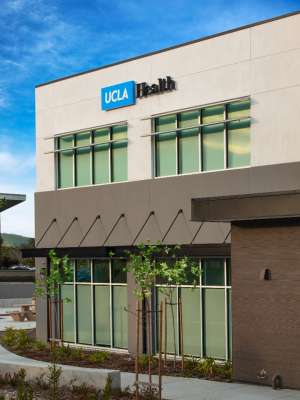
San Luis Obispo Cancer Care