50 Years of Discovery
At the UCLA Health Jonsson Comprehensive Cancer Center, we’ve built a legacy of transforming hope into real progress for patients and families. Our mission is to accelerate discoveries that prevent and cure cancer — from breakthroughs in basic science to developing targeted therapies such as Herceptin, Keytruda, and Ibrance that have redefined treatment. Through innovative clinical research, exceptional patient care, and comprehensive education and training, we're shaping tomorrow’s leaders and advancing a healthier, cancer-free future for all.

27 FDA Approvals
Practice-changing medicine
Since 2014, research at the UCLA Health Jonsson Comprehensive Cancer Center has led to a remarkable number of new cancer treatments or protocols.

12K+ Patients
Enrolled annually in a UCLA cancer clinical trial
We conduct pioneering research on a wide range of cancers that opens the door for new and improved treatments.

Nearly 3.5M
Women saved by Herceptin since it's UCLA-led debut
UCLA's cancer researchers are at the forefront of breakthrough therapies — and have been for five decades.
"It’s our unique DNA at UCLA and the Cancer Center that helps define us as a place where excellence, creativity and impactful contributions are woven into our institutional fabric, to better our community and society."
Michael Teitell, MD, PhD
Director, UCLA Health Jonsson Comprehensive Cancer Center
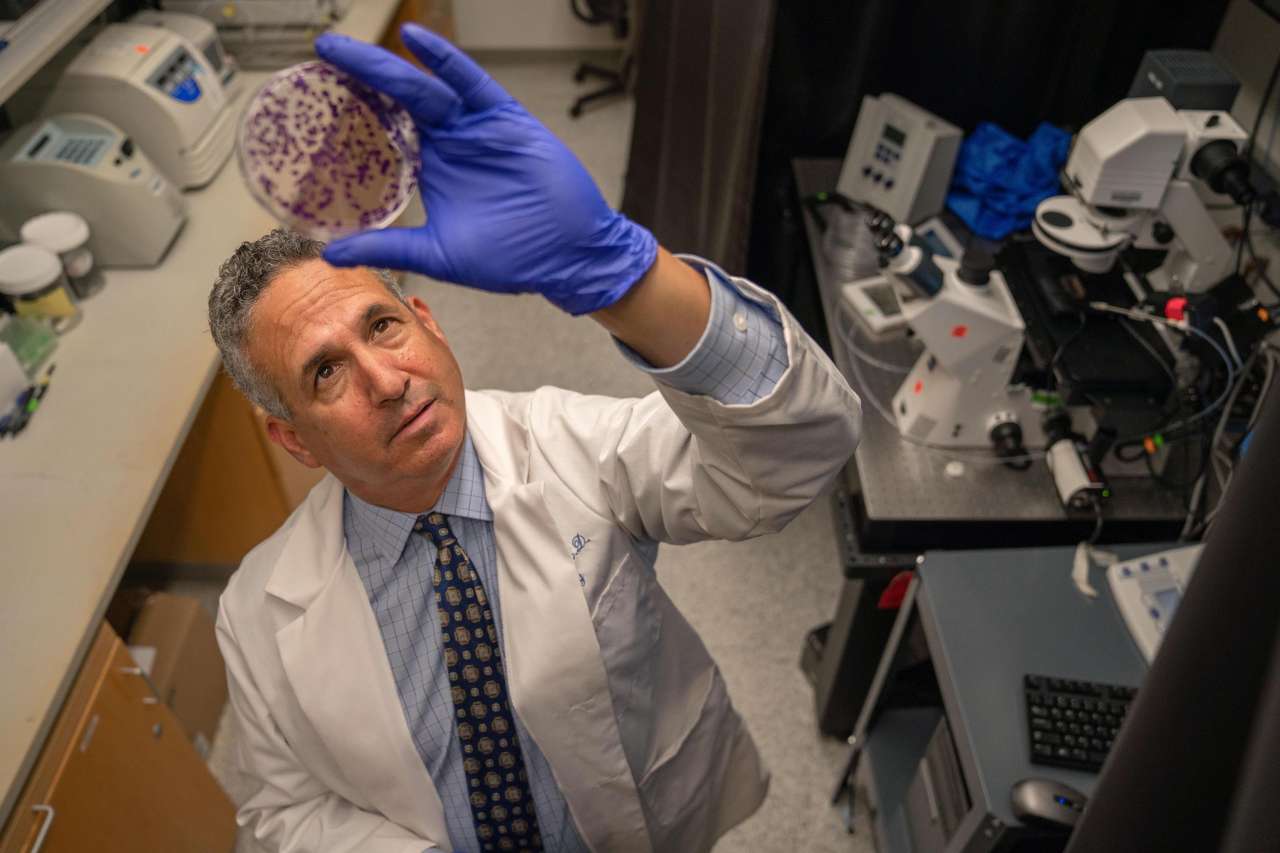
Therapy doubles survival in metastatic pancreatic cancer
Read About Pancreatic Cancer Therapy
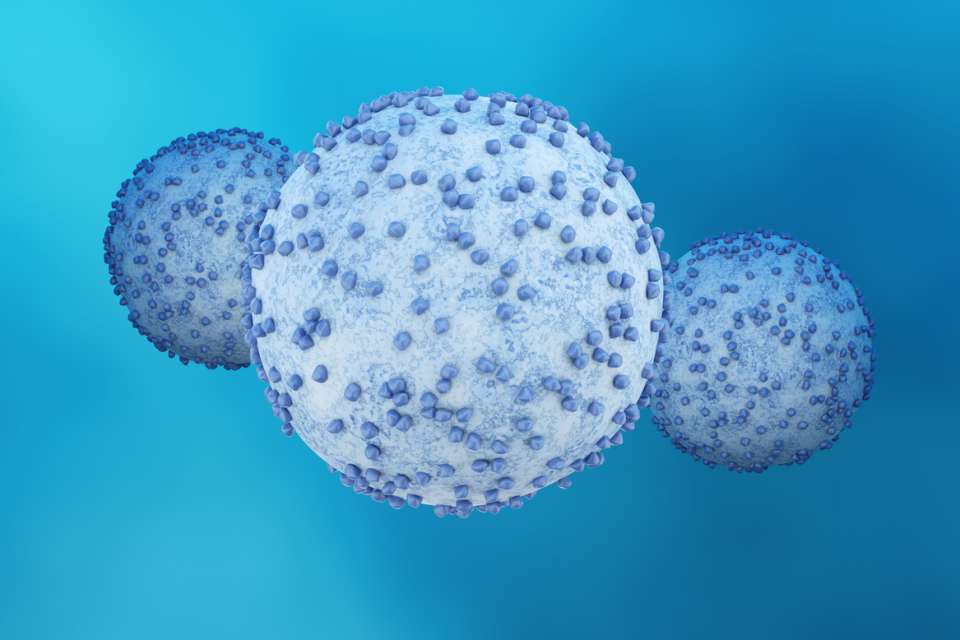
Pioneering progress in colorectal cancer prevention and research
Read About Colorectal Cancer Breakthroughs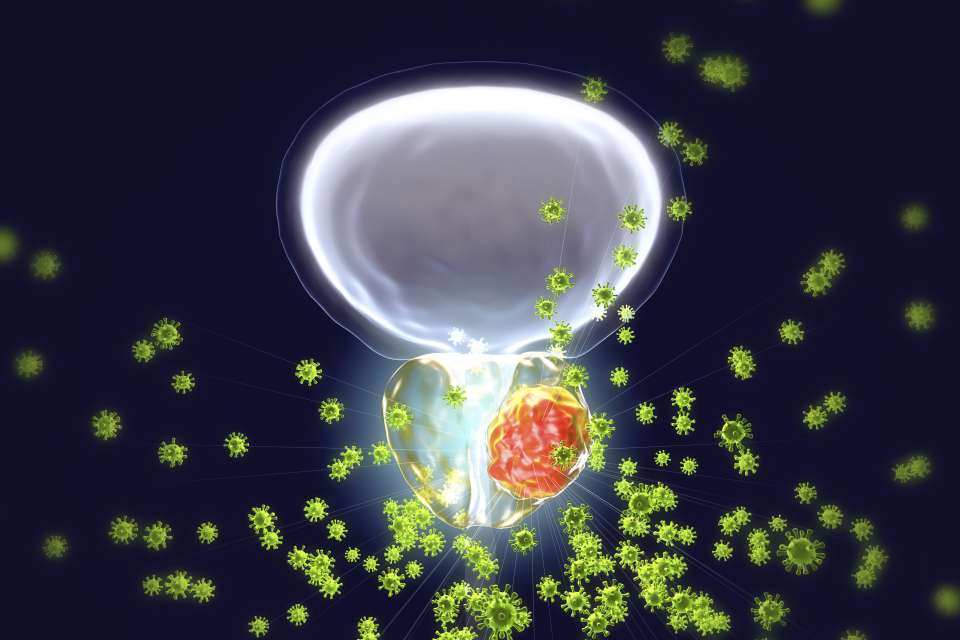
Using AI to improve outcomes for prostate cancer
Learn About AI and Prostate Cancer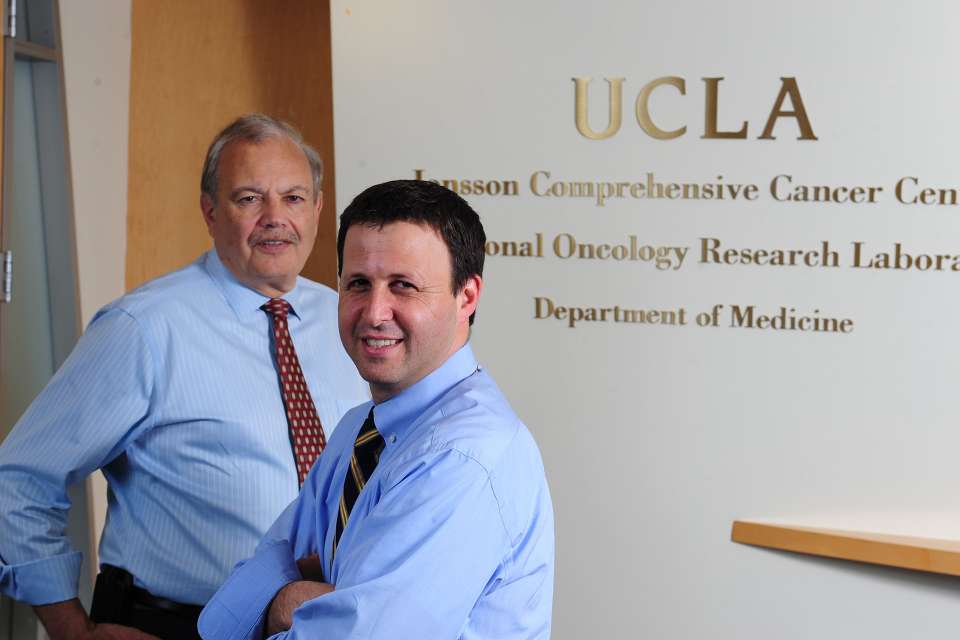
A decade of progress: The FDA approval of palbociclib
Learn About the Development of Ibrance"All of our research addresses problems that require integrated and collaborative work together. Sharing resources and knowledge has been instrumental in helping us move faster in the lab, enabling us to create therapies for more people who desperately need it."
Antoni Ribas, MD, PhD
Director, Tumor Immunology and Immunotherapy
Research Program
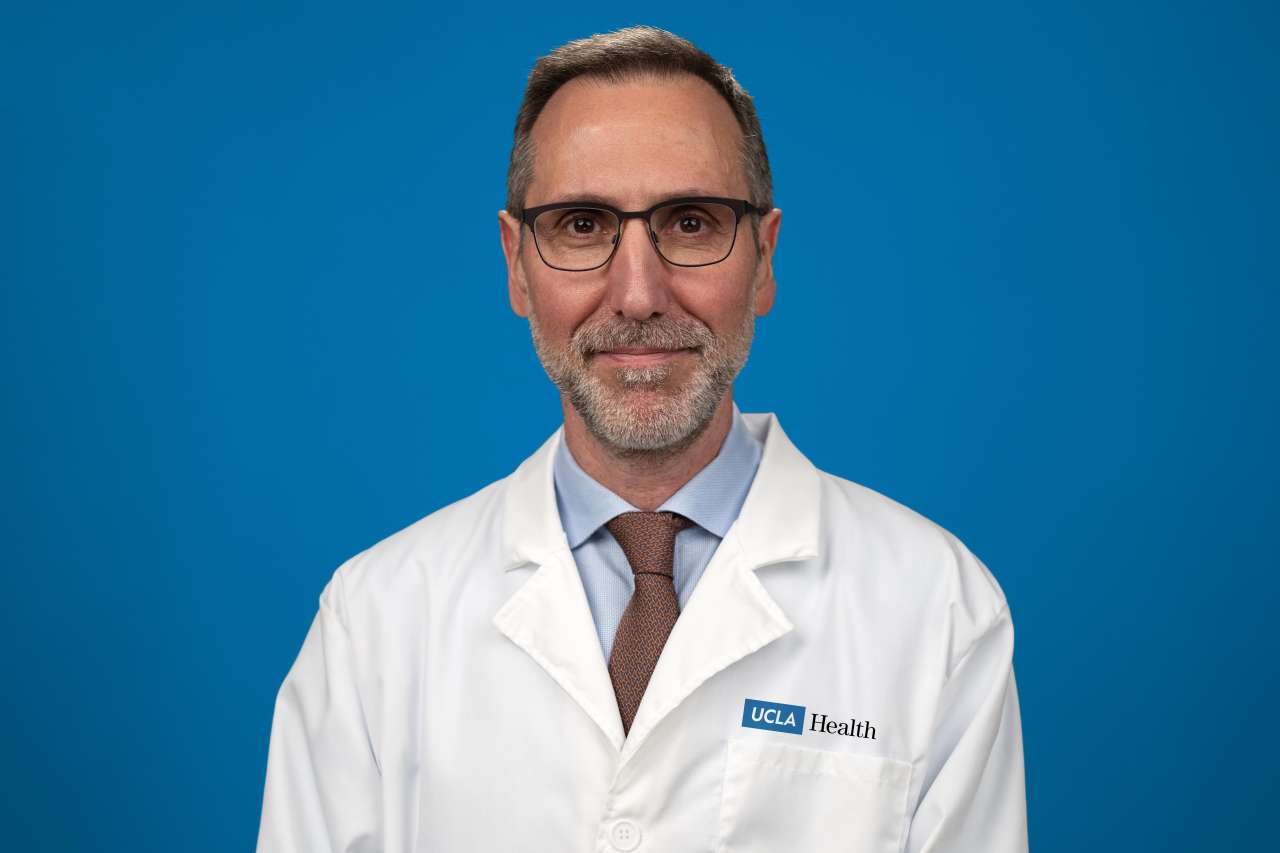
Photo Gallery
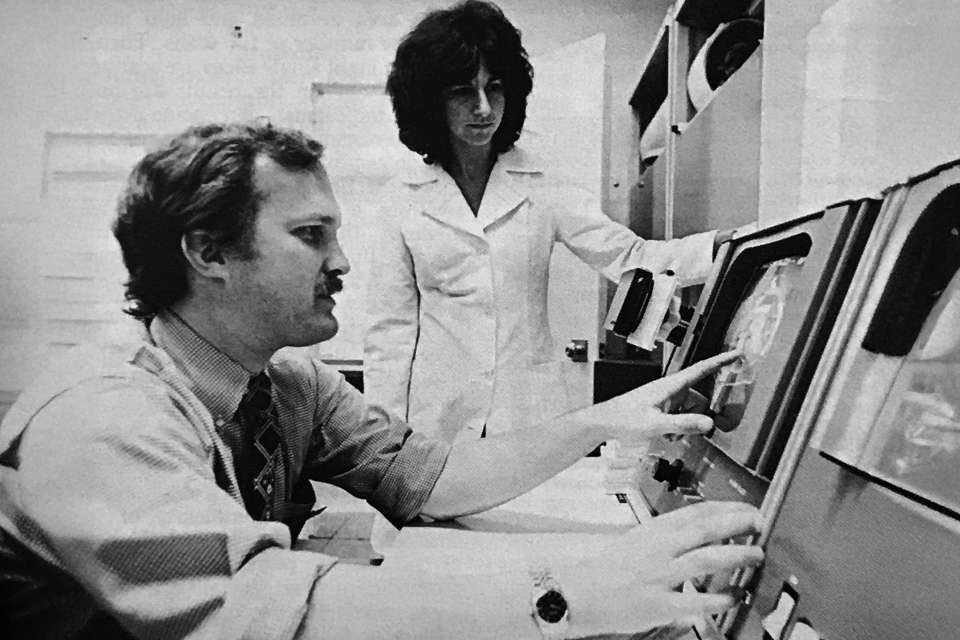
A Comprehensive Cancer Center
The UCLA Health Jonsson Comprehensive Cancer Center attained designation as a "comprehensive cancer center" by the National Cancer Institute in 1976, a testament to its sustained excellence in cancer research, education, and outreach into Los Angeles County communities and well beyond.