The smallest moments in life now carry the greatest meaning for Shivani Bhojak.
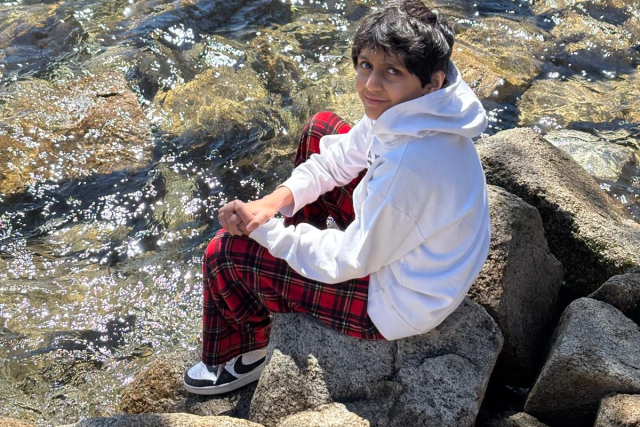
That perspective began to take shape when her son, Aditya Bhojak, then 9, was diagnosed in September 2024 with B-cell acute lymphoblastic leukemia (B-ALL) — a blood and bone marrow cancer caused by the overproduction of immature white blood cells.
What followed was a journey marked by fear, resilience and an unwavering commitment to Aditya’s care. Everyday moments became powerful reminders of her son’s perseverance.
“Whenever he comes with me in the car, he rolls down his window, takes in the air, and smiles like a baby,” says Bhojak, who has two sons. “And when I look behind and catch a glimpse of him, I just think, ‘Thank God he’s with me. He’s here.’”
Today, that sense of gratitude reflects not only Aditya’s continued recovery, but also the resilience of his family and the dedication of his care team. Bhojak says her family has been supported through every stage of treatment, with care grounded in collaboration and trust.
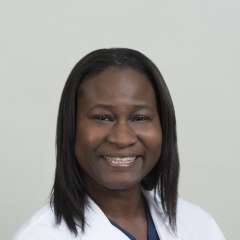
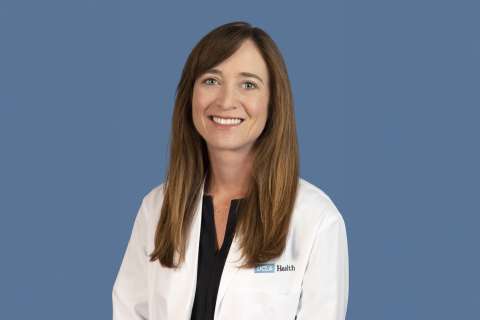
“Aditya’s mom, his father, Monty, and his brother, Shiv, were a big support system for him, and Aditya himself is a very smart, intelligent and brave boy,” says Priyanka M. Nanjireddy, MBBS, his primary pediatric hematology-oncology physician and a member of the UCLA Health Jonsson Comprehensive Cancer Center. “We couldn't have done what we did without their effort to work with us and trust. I can see Aditya doing really great things in life.”
A shocking diagnosis
Just weeks before he was diagnosed with B-ALL, Aditya had returned from a summer trip to India and began experiencing persistent knee pain and fluctuating fevers up to 101 degrees.
At first, his symptoms did not seem alarming — his family attributed his fevers to the extreme heat from traveling to India, where Aditya had spent time skateboarding with Shiv. But when simple activities such as walking and climbing the stairs became increasingly difficult, it was clear something more serious was wrong.
“He's a very happy and smart boy. He loves playing basketball and video games, hanging out with friends, and being active,” says Bhojak. “So, when I saw his symptoms getting worse, in my heart, I knew something was off — I immediately thought of the word ‘cancer.’”
Acting on mom’s intuition, the family — who resides in West Los Angeles — voiced these concerns at his annual back-to-school checkup, which took place shortly after his symptoms began. There, Aditya was referred for blood tests and X-ray imaging of both knees.
Then came the call — and the diagnosis — that changed everything.
“We were stunned. I took him to the doctor, and then he went straight to the ICU,” says Bhojak. “My mother-in-law drove, and we just couldn’t tell him what was happening. We were holding up our tears while he fell asleep in my lap — and that’s how our life changed in an instant.”
Exploring treatment pathways
B-ALL is one of the most common cancers among pediatric patients, although it remains rare in the broader field of oncology, explains Dr. Nanjireddy. In addition to high fevers and joint pains, key symptoms include severe fatigue, frequent infections, pale skin, unusual bleeding and a decrease in energy.
While many patients respond well to various treatment options — typically including chemotherapy and immunotherapy — outcomes vary depending on the specific mutation driving the disease.
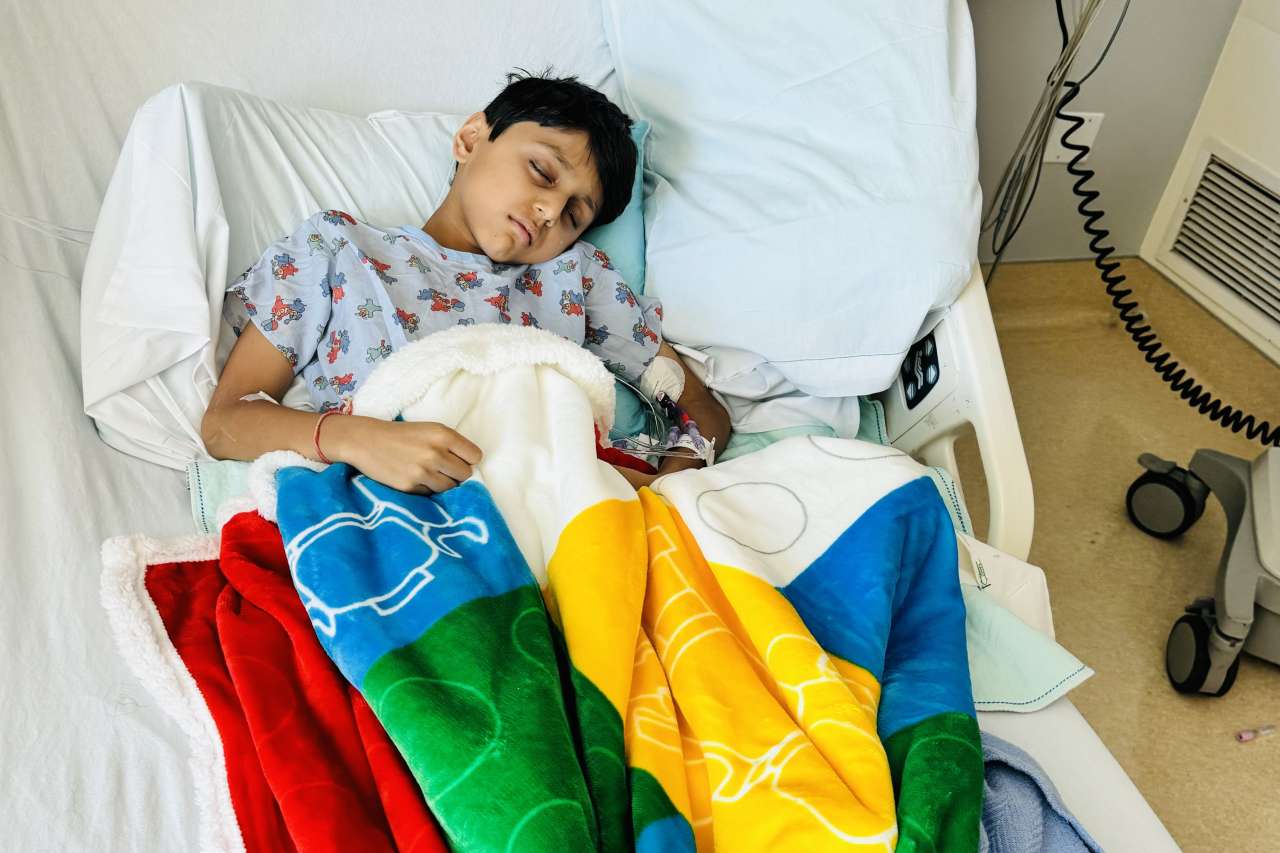
In Aditya’s case, doctors identified a genetic mutation that made his condition more resistant to treatment. He underwent chemotherapy and immunotherapy, but his care team saw little progress.
As a result, to explore the option of pursuing a stem cell transplant, Aditya was referred to Dr. Nanjireddy and the Pediatric Hematology & Oncology Department at UCLA Mattel Children's Hospital in January 2025.
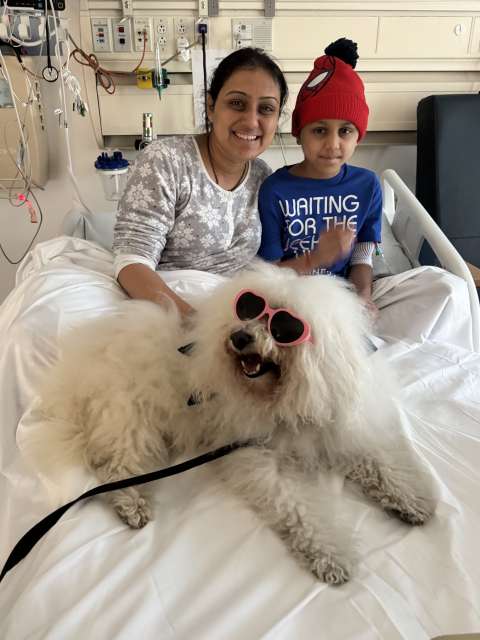
“Aditya had a mutation that made his cancer more resistant to treatment from the start,” says Dr. Nanjireddy. “After the most intensive month of chemotherapy, he still didn’t show a strong response to treatment, which made him a candidate for stem cell transplantation as part of his therapy. That made his journey a lot more complicated and stressful for the family, as well as increased the risk of relapse.”
Stem cell transplant strengthens sibling bond
Stem cell transplantation for people with leukemia is typically facilitated by finding a compatible donor, either within the family or through a worldwide registry, explains Dr. Nanjireddy. Once a donor is identified, a patient’s damaged stem cells are replaced through the infusion of healthy donor cells into the bloodstream.
However, finding a perfect donor match is often challenging. When Aditya’s family was unable to find a complete match through the registry or from a relative, the UCLA Health care team turned to the next best option — identifying a half-match in the family.
Because each child inherits half of their genetic makeup from each parent, a parent is inherently always a partial match," explains Dr. Nanjireddy. “Siblings can also be partial matches.”
After weighing their options, Dr. Nanjireddy and the pediatric care team identified Aditya’s older brother, Shiv — who was then 12 — as the most suitable half-match. While other family members were also partial matches, Shiv’s age and overall health made him the strongest candidate.
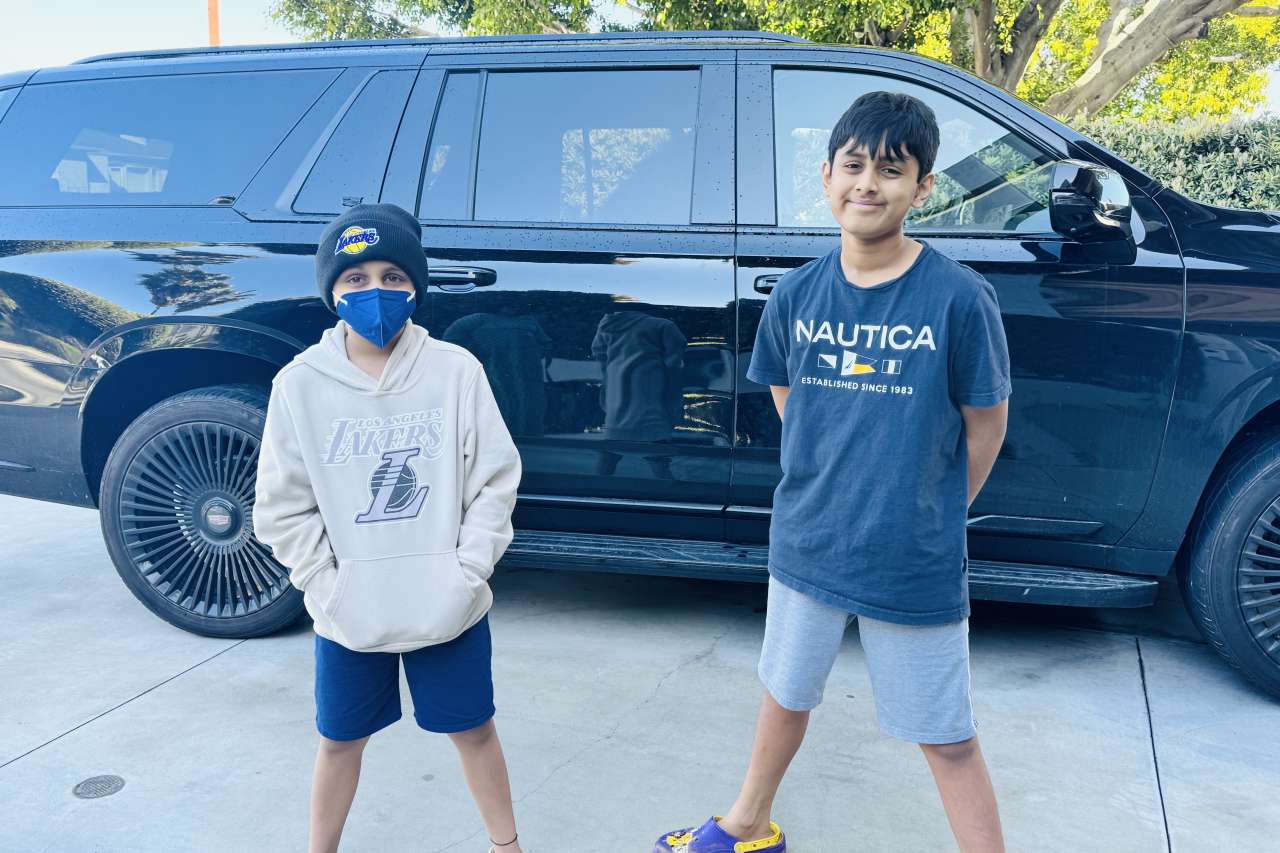
“We chose his brother because he is young and robust,” says Dr. Nanjireddy. “Younger donors typically provide stronger, healthier cells during the collection process, as they are less likely to have been exposed to environmental toxins that could potentially cause mutations. In this case, his brother became the best possible match.”
In the three weeks leading up the transplant, Shiv was homeschooled to protect his immune system and reduce infection risk.
During the procedure, the attending physician harvested his stem cells over the course of three hours.
“He was brave enough to conduct all the tests that were needed,” says Bhojak.
“I think that is a unique situation where your own sibling can become your donor and potentially provide life-saving treatment,” adds Dr. Nanjireddy. “And we are proud of his brother for being willing to take on that role.”
Interdisciplinary care at UCLA Health
UCLA Health’s interdisciplinary pediatric cancer team was integral to Aditya’s transplant and recovery.
“Our physicians, inpatient and outpatient nurse practitioners, transplant coordinators, fellows, psychosocial staff members, and nursing teams work collaboratively to ensure patients receive treatments on time while minimizing the risk of infection,” says Dr. Nanjireddy. “It is truly a multi-team effort.”
Nurse practitioner LaVette Bowles, NP, played a particularly a vital role in supporting the family emotionally throughout their journey.
“Whenever I was nervous or crying in the hospital, LaVette was always the one who would calm me down and remind us that everything was under control,” says Bhojak.
The team-based approach is supported by UCLA Health’s pediatric program being embedded within an adult system, allowing for continuity of care from childhood through adulthood.
“Patients are typically followed under pediatric care through early adulthood, until the age of 21, with long-term survivorship assessments and clinics monitoring potential lasting effects of treatment,” explains Dr. Nanjireddy. “Our goal is to gradually transition patients back to their primary care teams with ongoing guidance from transplant specialists to ensure care over time.”
Lifesaving care inspires a future in medicine
Today, Aditya is steadily returning to his normal routine following a strong recovery from his transplant. In January, he returned to school, where he is enjoying fifth grade and looks forward to playing basketball with friends. He continues to visit UCLA health every three months for vaccines, blood tests and post-transplant care appointments.
Aditya also has set his sights on becoming an oncologist at UCLA Health.
“He had great conversations with LaVette and Dr. Nanjireddy at the clinic,” says his mom. “This is what he wants to do, and he has become more confident.”
For Dr. Nanjireddy, this aspiration is profoundly meaningful.
“One of my personal goals is to provide the best care, and in the process, inspire patients if I can because we need good doctors,” she says. “But it really is a team effort, and it is inspiring for all of us to see these patients who fight through adversity every day and come out the other end with higher spirits.”
Reflecting on Aditya’s journey, his mother shares heartfelt advice for families navigating the same path: “Every chapter and experience is a learning process,” she says. “I have become fearless now. I was scared of so many things in the world, but now, nothing scares me at all.”
“Throughout this journey, I felt the presence of my God protecting us,” reflects Bhojak. “I am so grateful for the support of our friends and family — including both sides of Aditya’s grandparents, my brother Punit, our extended families in West Covina, and the families at Westwide Neighborhood School. I also want to thank my friends Rachel, Helen, Alouki, Ludivine and Quincy, as well as friends from my husband’s side and my spiritual support circle.”
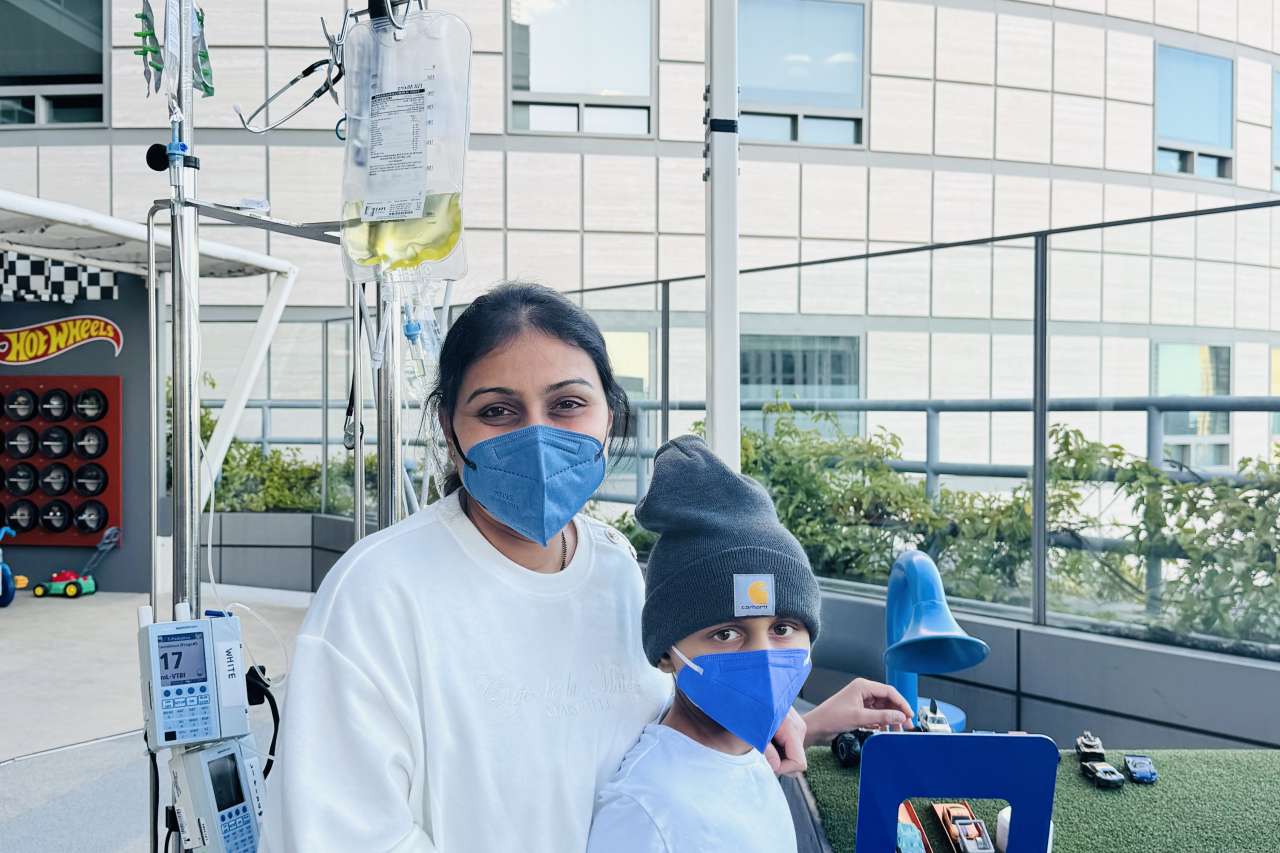
Dr. Nanjireddy also recognizes the resilience of Aditya's mother throughout the process.
“She was the rock for him. She stood by him and fought for him throughout the journey,” Dr. Nanjireddy says. “It’s a disease that affects the entire family, but his mom was a constant source of strength for Aditya and his brother.
“There is always hope because these families are incredibly strong, and their children will go on to do great things,” she adds. “Their resilience and dreams can truly make a difference.”
Related articles
Voices of childhood cancer: Teen athlete’s rare cancer began with a painful bump