Annalise Cheng was practicing gymnastics when she first noticed something was wrong.
An avid gymnast and dedicated high-level competitor, the 15-year-old from Camarillo noticed a painful bump in her lower right abdomen — discomfort she initially dismissed as a minor injury from the physical demands of her sport.
After voicing her concerns to her pediatrician during an annual check-up shortly after her symptoms began, however, that observation became the beginning of an unexpected medical journey. Further evaluation at UCLA Health led to a diagnosis of ovarian dysgerminoma in December 2025 — a rare but highly treatable ovarian germ cell tumor.
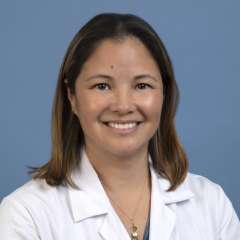
“Annalise’s treatment was very fast paced,” says Veronica Sullins, MD, her primary surgical oncologist and a pediatric general surgeon at UCLA Health. “From the moment she arrived, our pediatric oncology team coordinated her diagnosis, additional imaging, and surgery seamlessly in the same setting, allowing her to begin treatment right away.”
The strength of that coordinated care — paired with Annalise’s resilience — was celebrated when she was honored March 15 at the UCLA Gymnastics team’s final 2026 home meet. During the event, Annalise had the opportunity to meet Olympic gymnast Jordan Chiles, alongside members of the gymnastics team who inspired her throughout her treatment.
“UCLA Health has done an exceptional job caring for our family before and after surgery,” says her mother, Michelle Cheng. “We feel incredibly blessed and grateful for the compassion we received throughout this journey.”
A rare diagnosis
Ovarian dysgerminoma represents 1%-2% of all cancerous ovarian tumors, and despite its rapid growth, generally carries a favorable prognosis, explains Dr. Sullins.
Most commonly affecting adolescents and young women, the cancer is typically treated with a combination of surgery and chemotherapy. In addition to abdominal pain, symptoms may include irregular menstrual cycles, swelling and a noticeable mass in the lower abdomen or pelvis.
“Oftentimes, families feel guilty for not coming in sooner or for dismissing their child’s abdominal pain,” says Dr. Sullins, who is a member of the UCLA Health Jonsson Comprehensive Cancer Center. “But in reality, abdominal pain is very common in kids, and these tumors can develop rapidly. Sometimes, we do not know the exact diagnosis until pathologists examine the tumor and conduct tumor marker testing, which can help identify hormones produced by the mass and provide a clearer understanding of what we are treating.”
In Annalise’s case, early detection and coordinated care paved the way for timely treatment. After her pediatrician referred her to UCLA Health, an ultrasound identified a large abdominal mass, prompting an expedited workup and surgical plan.
“The mass was nearly 20 centimeters in diameter, which placed her on the fast track for both diagnosis and initial therapy,” explains Dr. Sullins. “Once I evaluated her, we ordered tumor markers, and by the following day, we proceeded with surgery to remove the tumor.”
Nine days after surgery, pathology reports confirmed the ovarian cancer diagnosis. And three days later, Annalise began a three-month course of chemotherapy.
“From the moment we arrived at UCLA, I felt that the team had already met us before we even walked through the door,” says Cheng. “Multiple doctors already knew about her case and had coordinated next steps before we even arrived.”
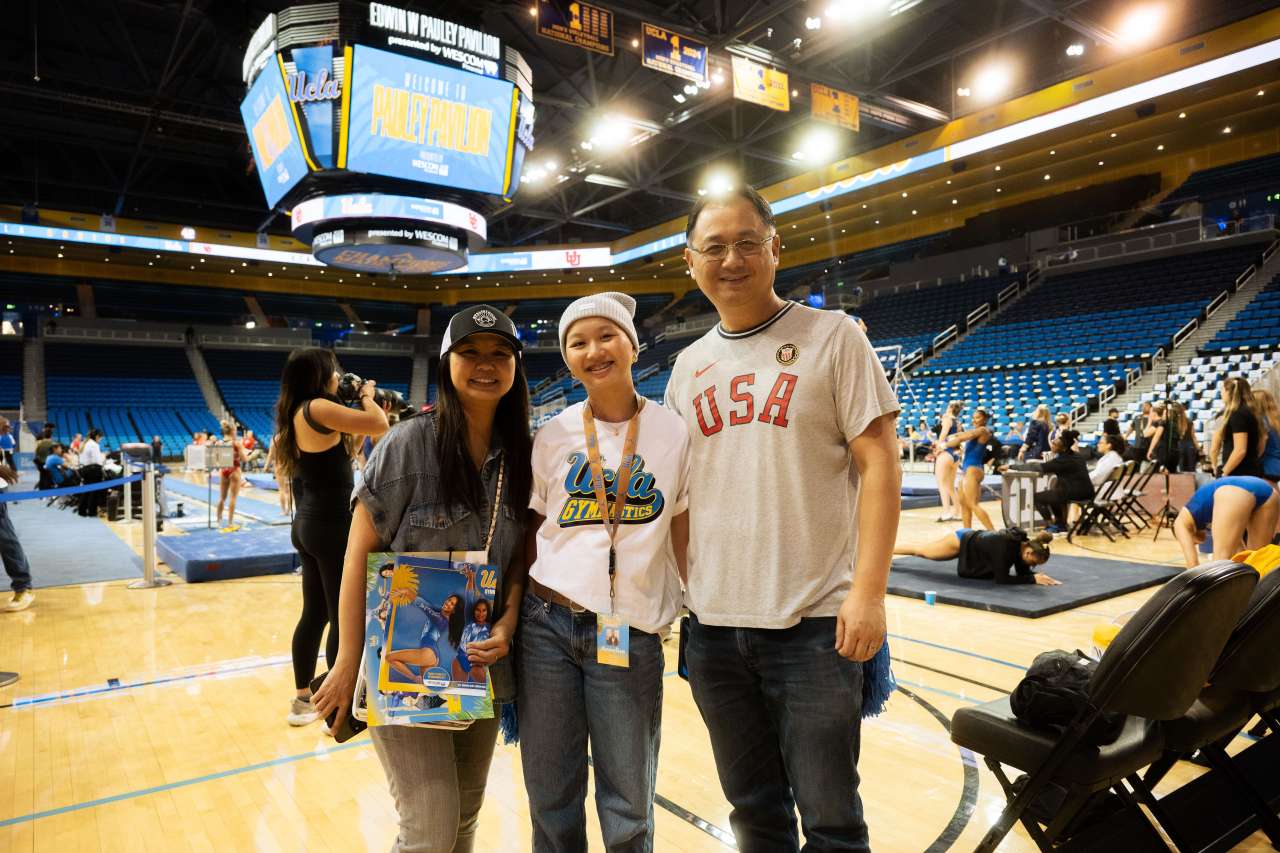
Annalise’s mom says the team’s communication and compassion were also pivotal in helping her family navigate treatment.
“The team was very transparent with Annalise, always allowing her to share her thoughts,” Cheng says. “She always knew what to expect, and that helped her cope emotionally and physically throughout treatment. Annalise is very easygoing, but their transparency and communication even reassured me as a parent that we will get through it, no matter what.”
Collaborative approach to care
Annalise was supported by a highly integrated team of experts who guided her through every stage of treatment and recovery.
Her multidisciplinary team included pediatric oncologists, nephrologists, fertility specialists, radiologists, pathologists, psychiatrists, nurse practitioners, registered nurses, nutritionists, counselors, social workers and Child Life Specialists. Together, they not only supported Annalise’s medical treatment but also her emotional well-being, nutritional health and overall quality of life.
“UCLA Health has a unique advantage for many reasons, especially among the adolescent and young adult population, because Mattel Children’s Hospital is nested within a larger adult medical center, so we can provide comprehensive and continuity of care at all ages,” explains Dr. Sullins. “In addition, every team member who helps take care of the pediatric patients brings a high level of emotional intelligence and empathy, and that compassion is so comforting to patients and families navigating one of the most stressful times in their lives.”
To Dr. Sullins, that collaborative approach is one of the defining strengths of UCLA Health’s pediatric cancer care model.
“Pediatric care is unique because you are not just treating the child — you are caring for the entire family,” she says. “We have so many extraordinary team members who are independently exceptional, and together, we become far greater than the sum of our parts.
“Without this team-based approach, the quality of care would not be this effective.”
Importance of early detection
Annalise continues to receive follow-up care at UCLA Health, returning every three months for routine blood work and imaging scans. The recent removal of her port — a small device implanted under the skin to deliver chemotherapy and draw blood — marked a meaningful milestone in her recovery.
“A port removal is one of my favorite procedures because of what it represents,” says Dr. Sullins. “It signals the end of therapy — children are released from their cancer diagnosis, everything has been removed, and they are ready for the next chapter. Those moments are often very emotional for children and their families.
“In Annalise’s case, she truly felt ready for the next step and to get back to life,” Dr. Sullins adds. “There was so much relief and gratitude in that moment.”
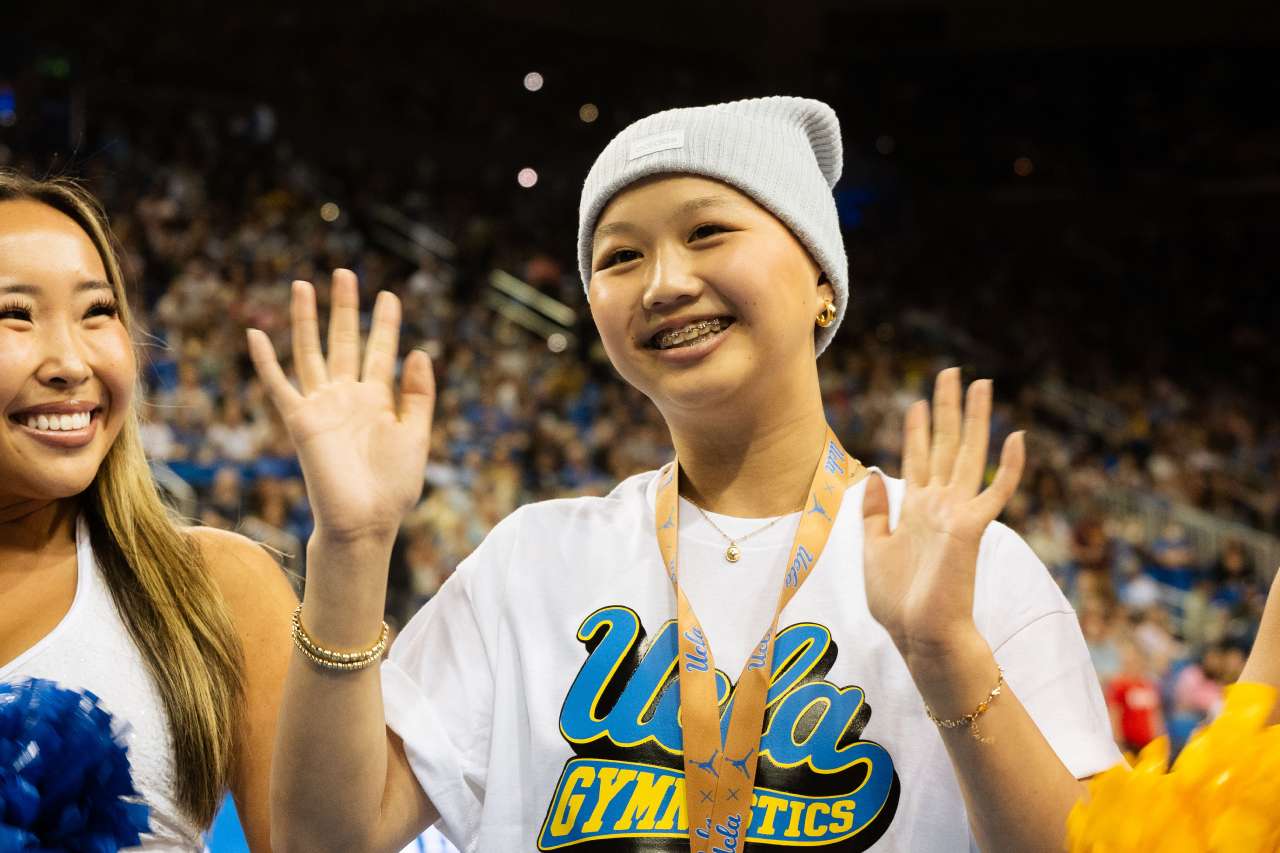
For Annalise and her family, that gratitude may not have been possible without early detection and timely evaluation. Because ovarian cancer is rare in adolescents, the symptoms can often be overlooked or dismissed.
“Early detection is so important because children at this age are not typically diagnosed with ovarian cancer, and they might not recognize when something feels abnormal in their bodies,” Cheng says. “That is why regular pediatric checkups, education and awareness are so important. We are very thankful that Annalise’s diagnosis was detected early, before the cancer spread.”
Dr. Sullins adds that early detection frequently begins with attentive parents, open communication and knowledgeable pediatricians who recognize when further evaluation is needed.
“When families and pediatricians listen carefully, it allows children to receive the appropriate evaluation as soon as possible,” she says. “Pediatricians see so many patients, but being able to recognize which patients need additional workup or subspecialty care is truly an art.”
Moving forward
Now in ninth grade, Annalise is homeschooled and enjoys crocheting, sewing, doing her nails and spending time with her two sisters. Described by her siblings as creative, detail-oriented and talented, she continues to focus on healing while looking to the future.
In the long term, Annalise hopes to attend college and potentially return to gymnastics. For now, she is looking forward to traveling on an Alaska cruise, spending time with family and continuing to create new crafts.
Reflecting on her experience, Annalise says the journey ultimately changed her perspective on life in a simple but profound way.
“I am very grateful for life,” she says.
Her family shares that sentiment, adding that the experience deepened their appreciation for community, faith and the support systems that carried them through uncertainty.
“When we first found out about the diagnosis, it was shocking, but we have so many friends, church community members and gymnastic teammates who were very supportive,” says Cheng. “Our faith is very important to us, and this experience strengthened the way we rely on it during difficult times. We feel very blessed and grateful for the community around us.”
Beyond her recovery, Annalise’s journey reflects the importance of pediatric patients communicating their emotional and physical concerns early on, as well as the critical role of parental advocacy.
“We listen diligently to parents because they often know their child the best,” she says. “Parents are their children’s strongest advocates, and it is important that their concerns are heard.”
And for Dr. Sullins, the greatest reward of pediatric care is seeing patients return to the life experiences and milestones that once felt uncertain.
“Annalise recently told me how fun it was to participate in the event with UCLA Gymnastics and how meaningful it was for her family to see her in that environment,” she says. “Moments like this are incredibly meaningful, and I am very proud of the team that helped her reach that point — being a part of that journey is one of the greatest privileges of this work.”
Related articles
Voices of childhood cancer: A young boy’s fever and knee pain prove to be first signs of cancer