UCLA Health researchers were awarded a $3.5 million federal grant to establish a national, multisite research center to study interoceptive neuroscience – the study of how the nervous system senses, interprets and integrates signals from within the body to maintain equilibrium.
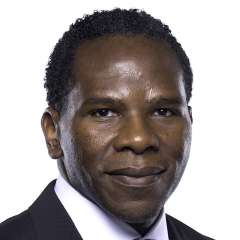
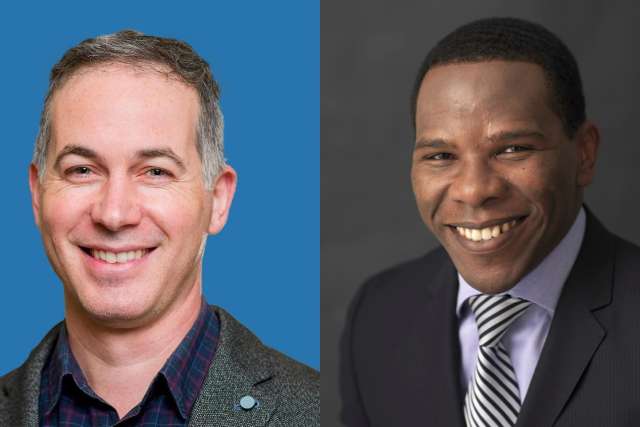
The five-year National Institutes of Health grant will establish the Blueprint Coordination Center for Interoception Research (BPCCIR). UCLA Health will serve as the coordinating research hub with neuroscientist and psychiatrist Dr. Sahib Khalsa and electrophysiology and cardiovascular diseasephysician Dr. Olujimi Ajijola serving as co-principal investigators.
Other partnering institutions and co-principal investigators will include UC San Francisco (Dr. Xin Sun), Harvard University (Dr. Mark Andermann), and the Allen Institute (Dr. Rui Costa).
Interoception encompasses the continuous, often unconscious exchange of information between the brain and internal organs including the heart, lungs, gastrointestinal system, immune system and other physiological systems. These brain-body interactions are fundamental to homeostasis, emotion, motivated behavior and adaptation to changing bodily demands. Alterations in interoceptive processes have also been implicated across a broad range of neurological, psychiatric, cardiovascular, gastrointestinal, inflammatory, metabolic and other health conditions.
Despite rapid growth in the field, interoception research remains distributed across disciplines, organ systems, species, experimental approaches, and levels of analysis. BPCCIR is designed to address this fragmentation by creating shared scientific infrastructure and a national community capable of connecting discoveries across these boundaries. The center will include researchers from many disciplines including neuroscience, physiology, medicine, bioengineering and computational science. According to Ajijola, “the BPCCIR has enormous potential to accelerate clinically meaningful discoveries that improve our patients’ lives”.
BPCCIR will build shared resources for the broader interoception research community, including an open-access network, annual meetings and workshops, common terminology and data standards, cross-species frameworks and training for early-career investigators. It will also convene experts to write consensus white papers on the field's major challenges, with the distinctive aim of connecting research levels that have developed separately, from molecular mechanisms to clinical phenomena, to build a more integrated picture of how internal bodily signals shape brain function and health.
“Interoception is fundamentally a systems problem: understanding how the brain and body communicate requires us to connect mechanisms across organs, circuits, behavior, and experience,” said Khalsa. “This Center creates an opportunity to bring together animal and human approaches within a common scientific framework and to build the infrastructure, standards, and community needed for interoceptive neuroscience to mature as a field.”