You cut your finger while chopping vegetables for dinner and it feels like it needs more than a Band-Aid. Your wife twists her ankle during pickup basketball after work and says now it hurts to walk. Your 6-year-old spikes a fever after business hours.
Should you go to the emergency department? What about urgent care?
Some medical issues are clear emergencies that require a call to 911: severe chest pain, seizures, sudden paralysis on one side, and injuries to the head, neck or spine. But what about less-severe medical problems that still require care sooner rather than later?
Knowing when to use which medical service can save valuable time – and stress – when faced with a medical emergency. More importantly, knowing when you need the ED can save your life and reduce the chance of long-term injury. Here’s what you need to understand about urgent and emergency care.
What’s the difference between urgent care and the emergency department?
Emergency departments, also called emergency rooms (ER), are typically located within a hospital setting. There, specially trained emergency medicine physicians have everything they need to handle even the most severe medical issues.
Urgent care centers, called immediate care centers at UCLA Health, bridge the gap between primary care and emergency care. When your primary care physician (PCP) is not available, immediate care is an excellent option for minor medical issues, says Mark Grossman, MD, medical director for UCLA Health primary care, immediate care, pediatrics and behavioral health. Doctors there use advanced imaging, have onsite lab capabilities, do minor wound repair and can write prescriptions.
“For mild to moderate symptoms that are not life-threatening, immediate care is the place to go,” Dr. Grossman says. “We have imaging availability for regular X-rays at all of our immediate care centers. We can do EKGs, test oxygen levels, get rapid tests back, and we see all ages: pediatrics, adults, geriatrics, so that's a great advantage.”
When to go to the emergency department
If there is even a remote chance that your medical issue could lead to death, disability or disfigurement, it is a true emergency requiring immediate medical attention. Depending on the nature of your issue, a medical team may transport you to the ED (if you call 911) or you may travel there yourself. Conditions and symptoms requiring a trip to the ED include:
- Chest pain or suspected heart attack
- Signs of stroke, such as facial drooping on one side, slurred speech and sudden blurred vision or loss of vision
- Deep wound or heavy bleeding
- Drug or alcohol overdose
- Injuries caused by serious accidents, such as a car crash or high fall
- Severe allergic reactions (anaphylaxis)
- Severe shortness of breath
- Sharp pain in the lower abdomen
When to go to an immediate care center
Visit an immediate care center for medical issues you’d typically address with your PCP that can’t wait. If the immediate care physician believes a higher level of care is necessary, they’ll get you to the ED.
Dr. Grossman says immediate care centers can help with:
- Common illnesses, including severe colds, flu, fever, sore throat, earaches, nausea or upset stomach and minor rashes
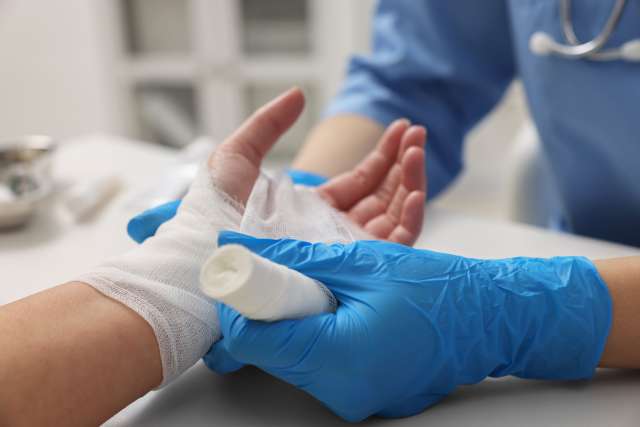
- Minor injuries such as cuts and burns, sprains and broken bones, back pain
Immediate care should not replace your PCP, he says. These centers are a convenient option when your physician is unavailable to offer care as quickly as you need it.
Other factors to consider with emergency care
There are additional differences between the ED and immediate care that include:
Cost of care
Treatment in an ED can cost two to three times more than the same care in your provider’s office. But a federal mandate requires emergency departments to care for patients regardless of their ability to pay.
The cost for urgent or immediate care varies by center and may depend on your medical issue. If you have a primary care doctor through UCLA Health, the copay for visiting a UCLA Health immediate care center would be equivalent to a regular doctor’s appointment, Dr. Grossman says: “Your copay for immediate care is typically the same as when you would see your primary care physician, and typically much less than the copay for an ER visit.”
Availability of services
Emergency departments prepare for every type of emergency, with advanced equipment and staffed by physicians with specialized training in emergency medicine. The ED is available 24 hours a day, 365 days a year.
Immediate care centers can take X-rays, suture wounds and prescribe medication, but aren’t equipped to handle severe issues or traumatic injuries. Most urgent care centers are open seven days a week. Most UCLA Health immediate care centers are open 8 a.m. to 8 p.m. on weekdays and 9 a.m. to 6 p.m. on weekends and holidays, Dr. Grossman says.
Wait time
Choosing the right level of care for your medical issue can greatly impact the amount of time you wait to be seen. ED doctors see patients according to how sick or injured they are, regardless of when they arrive. This system works well for true emergencies, but for non-urgent issues, you might wait quite a while to be seen.
The wait at immediate care or urgent care centers varies by location. UCLA Health immediate care centers are walk-in only and estimated wait times are updated online. UCLA Health also offers virtual visits through immediate care. If you test positive for COVID-19, for example, you can book a video visit to see if antiviral medication is recommended, Dr. Grossman says, without having to come to a clinic.