Dear Doctors: I know I'm not alone in not liking daylight saving time (DST). Each of the time shifts messes up my sleep. It also makes the kids' bedtime routines, which are already a challenge, even harder. I've read that DST can actually be bad for your health. Do you know if that's true?
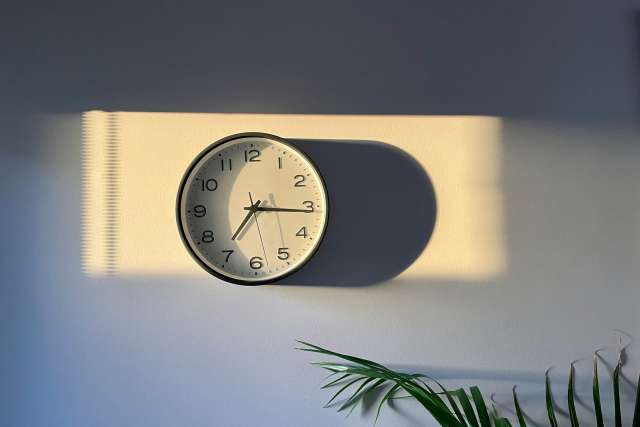
Dear Reader: The semiannual time changes of daylight saving time are certainly divisive. Early risers resent the sudden return to dark mornings. For workers and schoolchildren, it's back to headlights for the morning commute. And for everyone, there's the uncomfortable adjustment of the circadian clock. Add in the fact that studies continue to link the time shift to short-term spikes in undesirable events: Traffic and workplace accidents, a slight bump in heart attacks and increases in sleep disorders and depression have all been seen after time changes. It's no surprise proponents of ending the practice grow more vocal each year.
The more we learn about the body's circadian clock, the more it becomes clear that even slight shifts in sleep patterns matter. Circadian clocks are tied to the Earth's 24-hour cycle of light and dark. This plays a role in almost every physiological function. This affects the sleep-wake cycle. It affects the release of hormones, such as melatonin, cortisol and growth hormone. It affects how the body regulates its temperature. It affects immune system activity and cell repair. It even affects metabolism, blood glucose regulation, appetite and digestion. And we haven’t even gotten to how sleep affects mood, emotion, alertness and cognitive performance.
Fascinating new research suggests that every cell in the body has its own circadian clock. That hour of sleep you give up at the start of daylight saving time may sound like a minor blip. In reality, it resonates throughout the body. The return to standard time can be a challenge as well. The mind and body are not used to an earlier bedtime, making it easy to stay awake. Even the lost hour regained in the fall often results in another hour of sleep deficit.
People with unstructured schedules have the luxury of ignoring DST. The rest of us have to find workarounds. Sleep specialists recommend planning ahead for each time shift. In the spring, they recommend heading to bed a few minutes earlier each night for a week or two in advance. Then wake up a few minutes earlier as well. Just four minutes per day over the course of two weeks will sync you up to the updated time. Once the time shift arrives, make a point of exposing yourself to morning light when the sun rises. That's an important signal for the master clock in the brain. It will then regulate melatonin, boost morning cortisol and do a tiny reset of the sleep-wake cycle. Spare your body from additional stress by keeping the rest of your schedule, including exercise and mealtimes, as regular as possible. And be sure to include the kids in all these adjustments. While these tactics won’t erase the challenge of each time shift, they may make it a bit less painful.
(Send your questions to [email protected], or write: Ask the Doctors, c/o UCLA Health Sciences Media Relations, 10960 Wilshire Blvd., Suite 1955, Los Angeles, CA, 90024. Owing to the volume of mail, personal replies cannot be provided.)