
Polyendocrine Metabolic Ovarian Syndrome (PMOS, aka PCOS)
Our specialists treat the full range of PMOS (aka PCOS) symptoms. We work together with you to manage PMOS and reduce its impact on your life.


Why choose UCLA Health for PMOS (aka PCOS) care?
At UCLA Health, you can expect the highest level of care for polyendocrine metabolic ovarian syndrome (PMOS), previously known as polycystic ovary syndrome (PCOS). Our program combines the knowledge of skilled clinical specialists with highly experienced scientists. Whether you experience mild or severe PMOS, aka PCOS, we can help.
When you choose UCLA Health for polyendocrine metabolic ovarian syndrome (PMOS), previously known as polycystic ovary syndrome (PCOS), you can expect:
Accurate diagnosis: We provide a thorough evaluation and testing to rule out other conditions with symptoms like those of PMOS (aka PCOS), including pituitary, thyroid and adrenal abnormalities. Our obstetrician gynecologists and reproductive endocrinologists (reproductive hormone specialists) provide you with an accurate diagnosis, which is crucial for developing a successful treatment plan.
Advanced treatment: We provide a variety of advanced PMOS (aka PCOS) treatment options. Our OB/GYN and reproductive endocrinologists guide you through your fertility journey with PMOS (aka PCOS). We offer state-of-the-art therapies to help you conceive.
Personalized approach: We understand that PMOS (aka PCOS) affects every woman differently and can cause a wide range of symptoms. Our team develops a treatment plan based on your unique needs, lifestyle goals and pressing symptoms.
Access to leading-edge research: UCLA Health experts are at the forefront of work to advance our understanding of PMOS (aka PCOS) and related conditions, such as infertility, obesity, diabetes and heart disease. Our Women’s Reproductive Health Research Program provides women with PMOS (aka PCOS) the highest level of care and quality of life through research and investigation. Eligible patients can access the latest treatments in clinical trials at UCLA Health Obstetrics and Gynecology (OB/GYN).
Compassionate care: We understand that PMOS (aka PCOS) can lead to physical and mental health challenges, such as infertility and depression. Our skilled specialists take the time to get to know you as a person. Your care team addresses your whole health with skill and genuine concern for your well-being.
Focus on wellness: We support your whole-body health by working with you to minimize future risks. We evaluate PMOS (aka PCOS) symptoms such as weight gain and find ways to help you manage them, so you stay as healthy and strong as possible.
What is PMOS (aka PCOS)?
Polyendocrine metabolic ovarian syndrome (PMOS, aka PCOS) is the most common hormone abnormality in women of reproductive age (usually 15 to 44 years old). Up to 1 in 10 (10%) of U.S. women in this age group experience PMOS (aka PCOS).
When you have polyendocrine metabolic ovarian syndrome, your body produces an excess of androgen hormones. The most common androgen is testosterone.
Androgen overproduction in women can cause menstrual cycle problems as well as changes in skin, hair growth and weight. This hormonal imbalance also can lead to a lack of ovulation (release of eggs from ovaries), difficult conceiving, and abnormal uterine bleeding. It may cause enlarged ovaries with multiple small follicles. Androgen overproduction is also linked with increased abdominal fat deposition which can contribute to insulin resistance.
PMOS (aka PCOS) symptoms
Ranging from mild to severe, PMOS symptoms develop during childbearing years due to hormonal imbalances. Your lifestyle, including diet and exercise, can affect the severity of symptoms. Weight gain can also worsen PMOS-related reproductive and metabolic problems.
PMOS (aka PCOS) symptoms may include:
- Irregular Periods
- Hirsutism (excessive hair growth) or hair loss
- Acne
- Infertility
- Emotional and mental health changes
- Increased weight gain
- Preferential abdominal fat accumulation
- Insulin resistance (more insulin than normal is needed to process blood sugar)
How we diagnose PMOS (aka PCOS)
UCLA Health doctors typically diagnose polyendocrine metabolic ovarian syndrome by performing a physical exam and other tests using state-of-the-art tools. Understanding exactly how PMOS (aka PCOS) affects your body helps us guide your treatment.
Tests may include:
Blood tests check hormone levels to assess ovary function.
Glucose tolerance test looks at how your body responds to sugar to predict your risk of diabetes.
Risk assessment measures glucose, fat and cholesterol levels in the blood to predict your risk of diabetes and heart disease.
Ovarian ultrasound produces detailed images of your ovaries.
PMOS (aka PCOS) treatments we offer
At UCLA Health, we treat the full spectrum of polyendocrine metabolic ovarian syndrome, from mild to severe. Experienced OB/GYN and reproductive endocrinologists take the time to understand your symptoms, needs and goals, so we can improve your quality of life with PMOS (aka PCOS).
Treatment generally focuses on balancing your hormones to ease symptoms. Our experts may recommend treatments such as:
Acne medication: Oral contraceptives, creams or antibiotics can help clear your skin.
Hair growth therapy: Medications that reduce or slow androgen production, along with creams applied directly to the skin, help stimulate hair regrowth.
Hair removal therapy: Medications, electrolysis or laser hair removal can reduce or remove unwanted hair.
Medication for irregular uterine bleeding: Excess estrogen can cause the uterine lining to thicken and bleed. Oral contraceptives (birth control pills) and/or progesterone supplementation help restore the lining to its normal condition. Rarely, surgery is needed when medication doesn't help.
Effective care for PMOS (aka PCOS) infertility
Ovulation releases eggs from your ovaries so you can get pregnant. But if you have PMOS (aka PCOS), this doesn’t always happen. In fact, lack of ovulation is the primary cause of infertility in women with PMOS (aka PCOS).
For those who are overweight, improving diet and exercise can help ovulation return to a regular, healthy cycle. In other cases, medications can help. When medications don’t work or women experience more complex fertility problems, we offer surgery or in-vitro fertilization (IVF).
Customized treatment to reduce future health risks
Preventing disease is an essential component of any treatment plan for polyendocrine metabolic ovarian syndrome. We evaluate your PMOS (aka PCOS) symptoms, such as increased weight gain, and find ways to help you address them.
To reduce your risk of conditions such as diabetes and heart disease, your treatment plan may involve lifestyle management techniques. These include weight loss, nutrition support and exercise plans. Our team may also recommend medications to manage insulin and cholesterol. We partner with you to meet your needs and maximize your health.
Meet the team
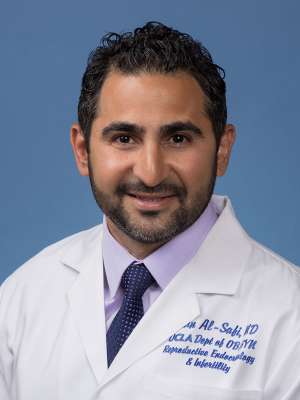
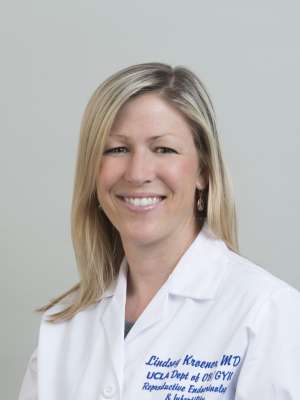
Our UCLA Health team of OB/GYN and hormone specialists provides coordinated, comprehensive diagnosis and treatment of polyendocrine metabolic ovarian syndrome. Our skilled doctors understand the importance of addressing your specific needs and preferences, especially when it comes to fertility care.
Faculty & Attendings - Westwood & Santa Monica

Contact us
Call 310-794-7274 to request an appointment with a Polyendocrine Metabolic Ovarian Syndrome (PMOS) specialist at UCLA Health.