Salivary Stones and Duct Surgery
Find Your Care
To find out more about our services, call us to speak with our team:
Westwood: 310-206-6688
Santa Monica: 424-259-6559
Valencia: 661-253-5851
Expert Care for Salivary Gland Conditions
Salivary gland disorders can cause pain, swelling, infection, and difficulty eating or speaking. These conditions may affect the parotid, submandibular, or sublingual glands and can significantly impact quality of life.
At UCLA, our Advanced Salivary Gland Surgery Program provides comprehensive, personalized care—from diagnosis through treatment—using both minimally invasive and advanced surgical techniques.
Our goal is simple:
Relieve symptoms, preserve gland function whenever possible, and provide the safest, most effective treatment for each patient.
Conditions We Treat
We evaluate and treat a full spectrum of salivary gland disorders, including:
- Sialolithiasis (salivary stones)
- Sialadenitis (salivary gland swelling or infections)
- Ranula
- Benign Tumors (non-cancerous growths and masses
Every patient receives a comprehensive evaluation, including in-office examination, imaging review, and individualized treatment planning.
Our Approach to Treatment
We prioritize minimally invasive, gland-preserving techniques whenever possible, while offering the full range of advanced surgical options when needed.
Minimally Invasive Techniques
- Sialendoscopy
A small endoscope is used to look inside the salivary ducts to diagnose and treat blockages, remove small stones, and widen narrowed ducts—often avoiding major surgery.
Reconstructive and Targeted Procedures
- Sialodochoplasty
Reconstruction or widening of the salivary duct to restore normal flow. - Sialolithotomy
Targeted removal of salivary stones.
Surgical Treatments
- Ranula Excision
- Submandibulectomy (removal of the submandibular gland)
When surgery is required, we focus on precision, safety, and preservation of surrounding nerves and function, including facial nerve protection in parotid surgery.
What to Expect
- Initial consultation: Review of symptoms, imaging, and prior treatments
- Personalized plan: Tailored to your condition and goals
- Treatment: Often minimally invasive when appropriate
- Recovery: Guided follow-up with a focus on long-term function and comfort
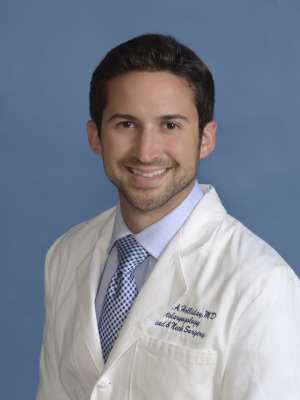
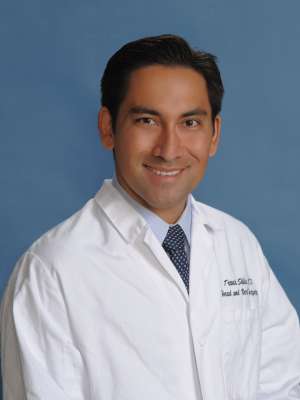
Our Team

Locations & Contact
We offer care across multiple UCLA locations for your convenience:
- Westwood: 310-206-6688
- Santa Monica: 424-259-6559
- Valencia: 661-253-5851
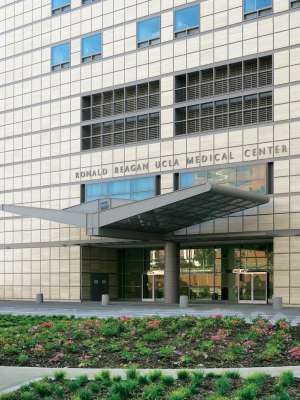
Ronald Reagan UCLA Medical Center