
Programs
Laboratories and Research Programs
Laboratories and research programs within the UCLA Division of Hematology-Oncology produce groundbreaking science that has dramatically changed the field’s understanding of cancer and led to new treatments that have saved millions of lives.
Explore the pages below to learn more about our cores and laboratories.
Centers
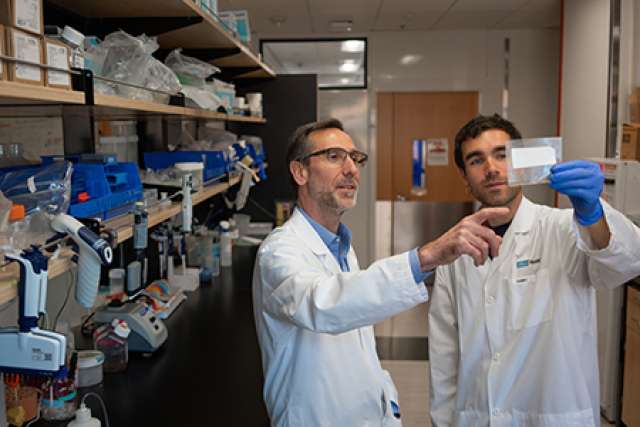
Parker Institute for Cancer Immunotherapy (PICI)
A research community within UCLA that connects researchers who are developing new treatments that expand the cancer immunotherapy options oncologists can offer to help their patients live many more years without cancer progression.
Cores
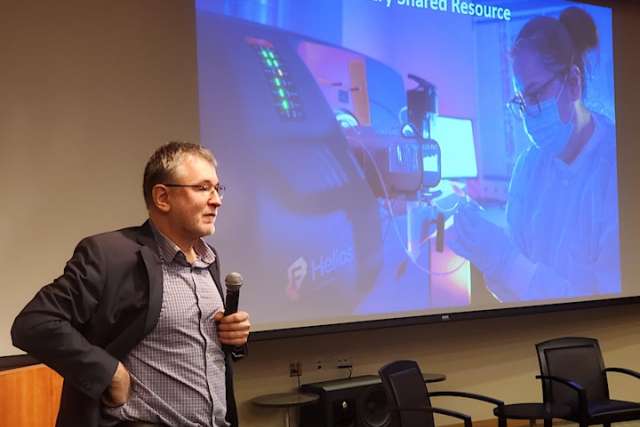
Flow Cytometry Core
The JCCC Flow Cytometry Core Laboratory provides state-of-the-art instrumentation, technical expertise, and professional support for flow cytometry, imaging cytometry, and cell sorting to the UCLA cancer and broader research communities.
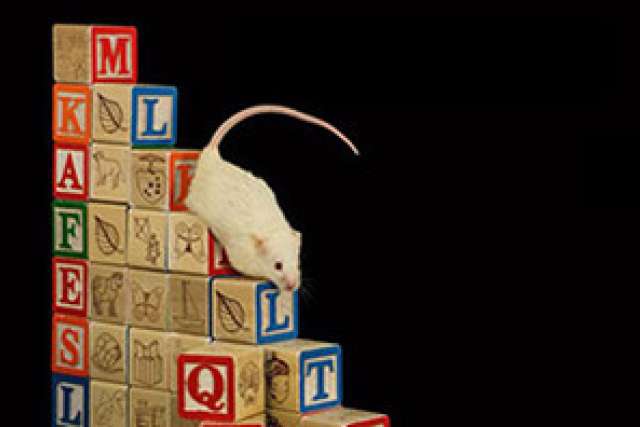
Humanized Mouse Core
The Humanized Mouse Core provides specialized humanized mouse models, stem cell and gene therapy resources, infrastructure, and technical expertise to support in vivo studies of HIV pathogenesis, human hematopoiesis, immune function, and engineered immune and gene therapies.
Laboratories
Garon Lab
The Garon Laboratory focuses on identifying biomarkers that predict which lung cancer patients stand to benefit from cancer immunotherapy.

Kitchen Lab
The Kitchen Laboratory studies how viral infection affects human hematopoiesis and immune function, with a focus on developing stem-cell-based gene and cell therapies to enhance immune responses against HIV, chronic viral infections and cancer.
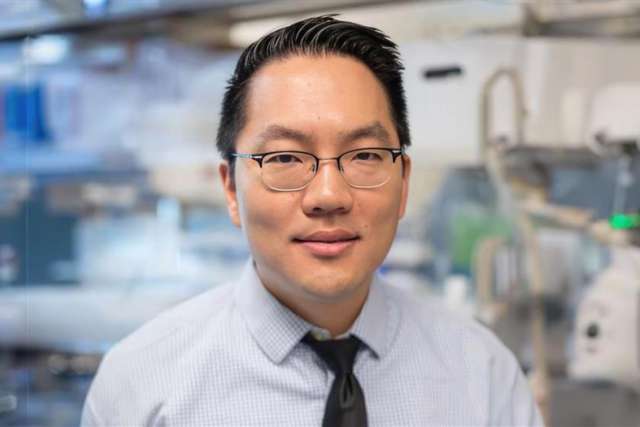
Lee Lab
The Lee Laboratory investigates advanced prostate and bladder cancers to develop novel therapeutic strategies.
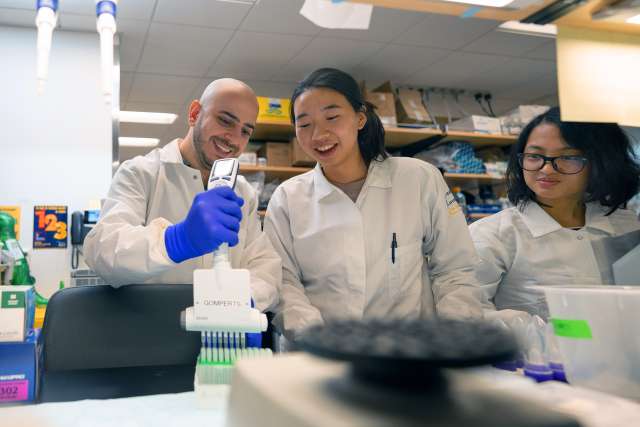
Morizono Lab
The Morizono Laboratory is developing novel gene delivery methods through research on enveloped virus receptors and tropism.
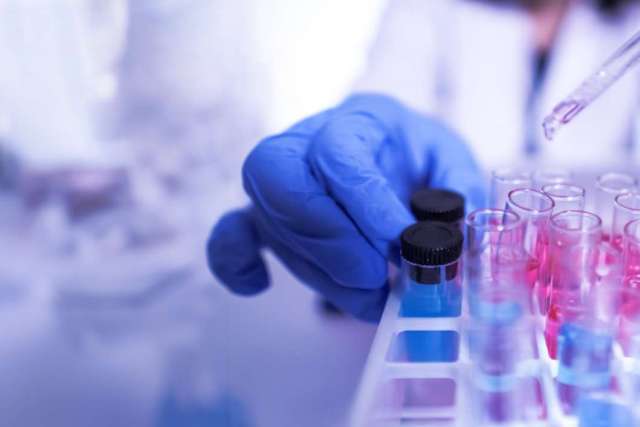
Pietras/Márquez-Garbán Lab
The Pietras/Marquez-Garban Laboratory is investigating emerging treatments for estrogen receptor-positive and estrogen receptor-negative breast cancers as well as key immunosuppressive drivers in breast, pancreatic and lung cancers.
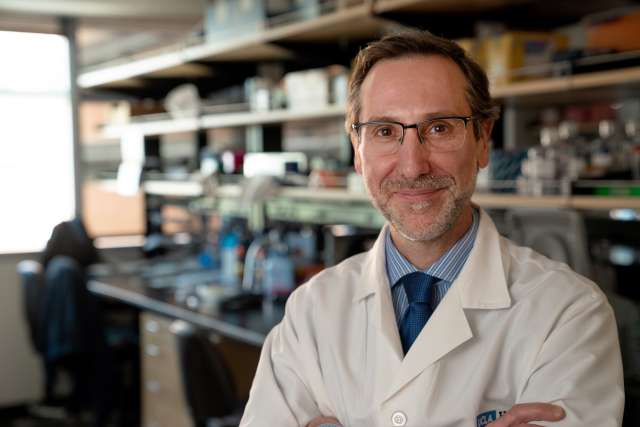
Ribas Lab
The Ribas Laboratory conducts translational research on how melanoma responds to or resists cancer immunotherapies and develops gene-engineered adoptive cell transfer therapies.
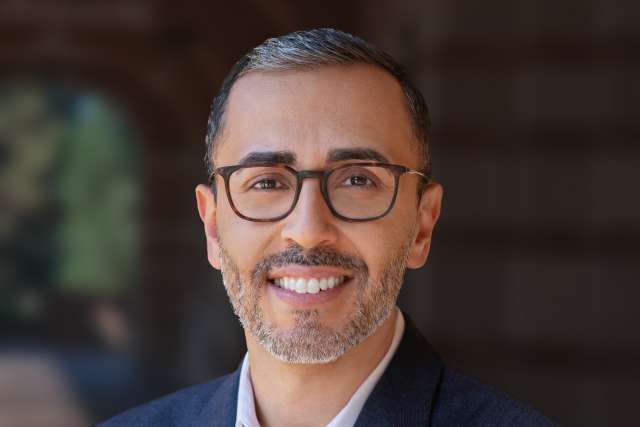
Sedrak Lab
Our mission is to understand how cancer and its treatments accelerate the biological processes of aging and to develop strategies that prevent, mitigate, or reverse those effects.
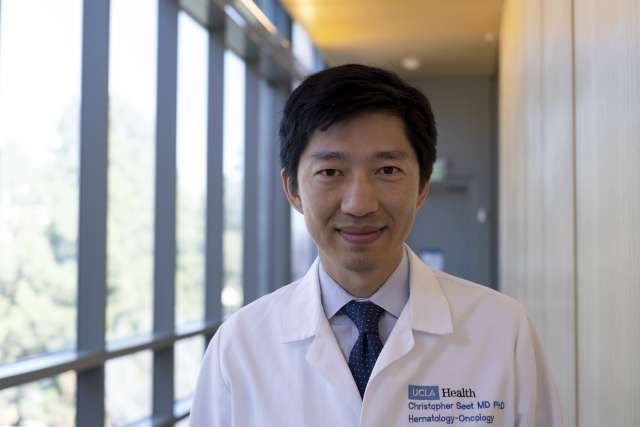
Seet Lab
The Seet Laboratory is a basic science laboratory studying T cell biology and engineering to develop new approaches to immunotherapy for leukemia and other unmet medical needs.
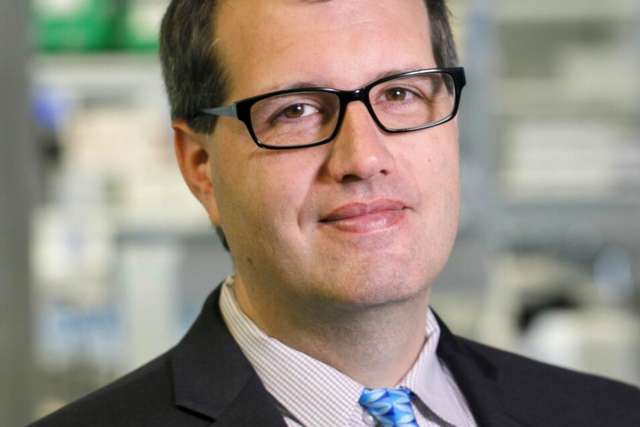
Spellman Lab
The Spellman laboratory uses large-scale, primarily sequencing, data to understand the risk, evolution, biology, and therapeutic targets of cancer.
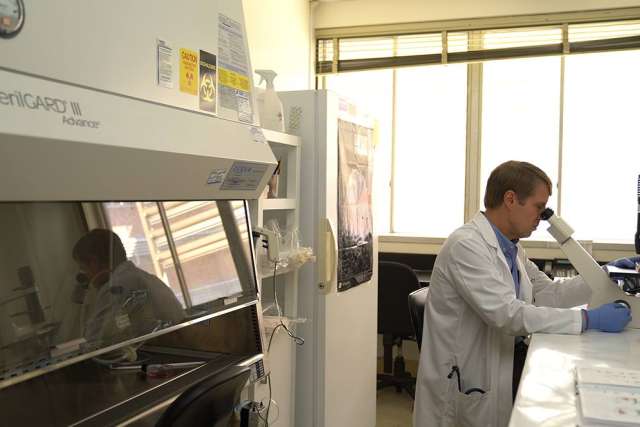
Timmerman Lab
The Timmerman Laboratory focuses on developing novel immunotherapies and targeted therapies by modulating the tumor microenvironment to treat lymphomas and related cancers.
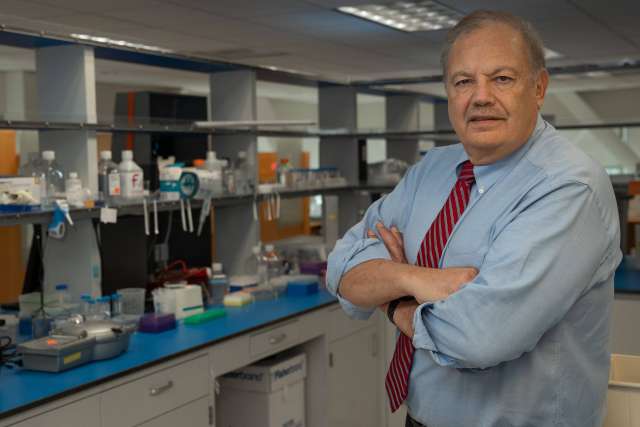
Translational Oncology Research Laboratory (TORL)
The TORL lab focuses on novel drug discovery and development of therapeutic antibody-based therapies for the treatment of cancer.
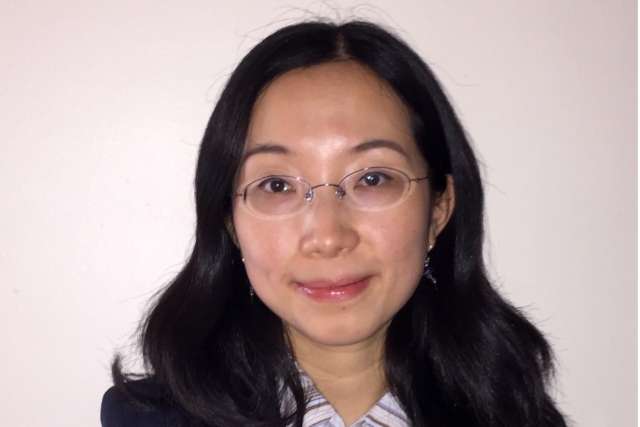
Zhen Lab
The Zhen Laboratory develops stem cell-based gene therapies and engineered immune approaches to treat HIV, cancer, Alzheimer’s disease, and other chronic diseases, with a focus on understanding and overcoming immune exhaustion and inflammation to improve immune function.
Programs

Cell Therapy Program
The UCLA Center for advanced Biotherapies (CAB) provides comprehensive support for the manufacturing of cell and gene therapy products intended for early-phase clinical trials conducted under FDA Investigational New Drug (IND) applications led by our members, as well as academic and industry collaborators.
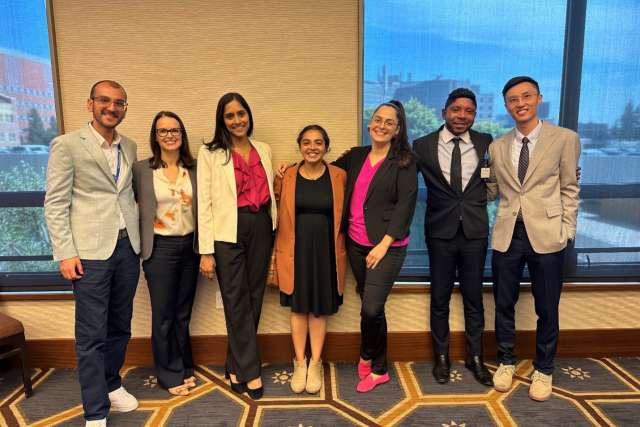
UCLA Hematology-Oncology Fellowship Program
The Hematology-Oncology Fellowship Program provides trainees with the necessary skills to become astute clinicians, educators, and future leaders in clinical, health policy, or basic sciences and translational research.
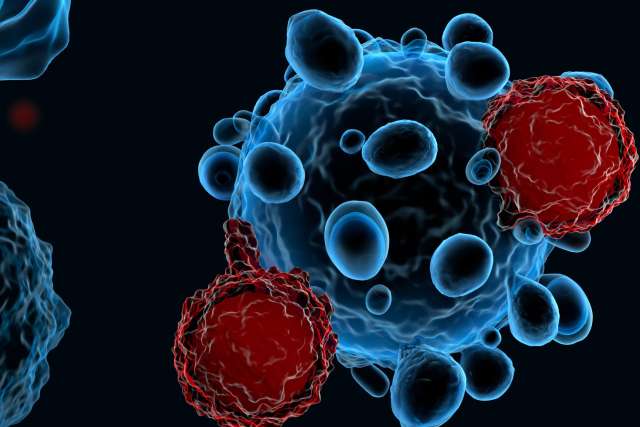
UCLA Immune Effector Cell (IEC) Therapy Program
The multidisciplinary clinical program administers all commercially available IEC products and participated in many of the trials that led to the FDA approvals. The IEC clinical trial team provides clinical trial options for patients with hematologic malignancies, solid tumors, rheumatologic disorders, and myasthenia gravis.